by Paul Churchill | Jan 6, 2020 | Podcast
Podcast: Play in new window | Download
Subscribe to the Recovery Elevator Podcast Apple Podcasts | | More
Kerri took her last drink on November 6, 2018. This is her story.
Update on the Alcohol is Sh!t book! The book is out! Pick up your paperback copy on Amazon here! You can get the Audible version here!
Happy New Year! On January 1st the 4th Café RE group, UP, opened.
2020’ Recovery Elevator LIVE event, Dancing with the Mind, will take place June 11-13 in Denver, CO. Registration opens on January 8th, you can find more information about our events here.
On today’s episode Paul talks about meeting the man he would stay with while in Mexico, hearing his story, and discovering they had a connection through the TEDx Talk that Paul gave. You can find the TEDx Talk, I’ve been duped by alcohol, here.
Paul also discusses a video he recently watched, an interview by Dr. Gabor Mate, (author of In the Realm of Hungry Ghosts). Dr. Mate says if you want to look at what causes the addiction you have to look at the benefit of addiction. That the greatest myth on addiction is that its genetic, the other myth around addiction is that it is a choice that people make. You can watch the Dr. Gabor Mate video here.
[10:14] Paul introduces Kerri. (**Doing the shownotes for my own interview is awkward! **)
Kerri just turned 50, is married, and lives in Redding, CA. She has two adult daughters, that both have families, and is a grandmother to 4. For work Kerri recently fell into a new career, as a baker, and does stuff for RE. For fun Kerri loves to be outdoors, hiking, taking her 3 rescue dogs out, travel, and kayaking.
[15:51] Give us a background on your drinking.
Kerri started drinking in high school and was a black out drinker from the start. A family move before 9th grade made Kerri very angry. Alcohol helped her fit into a new school and she quickly became known as a partier.
Kerri got married at 19, had her daughters right away. She says that her and her ex-husband were problem drinkers throughout their entire 17-year marriage. Kerri’s drinking really ramped up after her divorce.
[17:00] How old were you when you realized you had a problem with alcohol?
Kerri says that in high school she knew she didn’t drink like her friends, but that she didn’t care. Alcohol got her out of her shell.
[18:00] What happened after your divorce?
Kerri says her drinking ramped up and it got bad, really quick. It was a big life change for Kerri, with the divorce, having to go out and find a job, and her daughters basically being out of the house. She was drinking at home alone, blacking out every time.
[23:35] How come you didn’t feel ready to do this interview?
Kerri said she didn’t feel like she had anything worth sharing. She said that has felt that way all her life.
[26:23] Did you have a rock bottom moment?
Kerri said yes. After getting her teaching credential later in life, which Kerri says was a dream job, she was fired from two teaching jobs as the result of her drinking. Kerri surrendered her teaching credential.
[31:00] Talk to us about how you did it the first weeks, first month.
Kerri said it was really hard, that she didn’t know what anyone (co-workers, parents) was told or what they knew. Kerri was afraid to leave her house for fear of running into someone, she would grocery shop at 2:00 AM. She said she was filled with so much anxiety that she didn’t know how she was going to come out of it the 2nd time around. She went to a therapist for the first time. She sought out and entered into a 90-day IOP program.
[35:17] You’ve burned the ships on social media, what kind of response have you received?
Kerri said she has received nothing but support and encouragement, and she encourages everyone to do it.
[37:50] Talk to us about the breakthrough you had at the Bozeman retreat.
Kerri said she got much from the entire retreat but it was the Clarity Breathwork that really did it for her. She said once she was able to stop paying attention to what was going on around her and just do her thing, she was able to experience something powerful that changed her.
[44:38] Rapid Fire Round
- What’s a lightbulb moment you’ve had on this journey?
That I don’t have to live up to, what I think are, other people’s expectations.
- What is a memorable moment that a life without alcohol has given you?
All these RE retreats, that is something I never would have imagined doing…taking off and meeting strangers.
- What is your favorite alcohol-free drink?
I’m kind of boring, I really don’t do the mocktail thing, I’m a water drinker.
- What are some of your favorite resources on this journey?
Definitely Café RE, these sober meetups, retreats and I listen to a lot of podcasts.
- What is on your bucket list in an alcohol-free life?
Travel, travel, and more travel. I want to do a marathon.
- And what parting piece of guidance can you give to listeners?
To recover, get sober, whatever you want to call it, your way. Your way may be different than someone else’s, and to not worry about what other people think.
You might need to ditch the booze if…
You wake up one morning with a broken ankle and you have no idea how you did it.
Upcoming Events and Retreats.
Asia Adventure – January 20-31, 2020
Recovery Elevator LIVE: Dancing with the Mind – in Colorado – June 11-14th, 2020
Recovery Elevator in Costa Rica: From Jungle to the Beach – October 8 – 18th, 2020
You can find more information about our events here.
Resources mentioned in this episode:
SkillShare
Get two months free of classes with Skillshare at www.skillshare.com/ELEVATOR
BetterHelp
Visit betterhelp.com/ELEVATOR and join the over 500,000 people talking charge of their mental health with the help of an experienced professional. Recovery Elevator listeners get 10% off your first month at betterhelp.com/ELEVATOR.
Skillshare
For two free months of premium membership visit www.skillshare.com/elevator
Connect with Cafe RE– Use the promo code OPPORTUNITY for your first month free
Sobriety Tracker iTunes
Sobriety Tracker Android
Sober Selfies! – Send your Sober Selfie and your Success Story to info@recoveryelevator.com
“Recovery Elevator – It All Starts from the Inside Out. We can do this.”
by Paul Churchill | Aug 25, 2026
Registration opens Tuesday, June 1st, 2027 Plant Medicine Retreat Costa Rica November 6–13, 2027 Venado Ranch & Playa Negra, Guanacaste, Costa Rica “Some people describe ayahuasca as ten years of therapy in one night.” We’re not here to...
by Paul Churchill | Jun 23, 2026
Recovery Elevator in Morocco: March 3–13, 2027 — SOLD OUT! 🎉 To join the waitlist, email info@recoveryelevator.com Sober Travel Morocco You quit drinking. Now it’s time to start living. Eleven days in one of the most extraordinary countries on earth....
by RE Helper | Feb 15, 2026 | Alcohol Free, Blog, Healing, Miscarriage, Moms in Recovery, Womens health
Today’s blog entry is from Hali Morehouse. Hali is a member of Café RE.
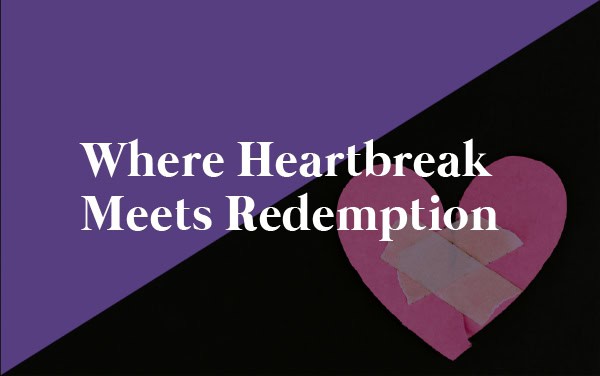
Where Heartbreak Meets Redemption: A Story of Miscarriage, Faith, and Sobriety
By: Hali Morehouse
There I am—sitting in the brown chair, awaiting the doctor’s arrival, unaware that this moment would mark the beginning of a journey through miscarriage and sobriety. From the outside, one might see the image of a young woman who appears calm, confident, healthy, and mentally stable—never realizing that the upcoming conversation is about to crack her soul wide open and leave her heart broken, crumbled, and lost in the wilderness of the unknown.
I could see it in the doctor’s eyes—in her posture, her tone of voice, and in the way she carried the information throughout our conversation. Contained within the questions, concerns, and curiosity she expressed, the word miscarriage was the boulder that became the riverblock in my never-ending flow of life.
As that ten-letter word found its place inside my ears, the beats within my chest began to pound. Louder and louder—like a drum set being played inside a closed room. For a brief moment, my world began to spin. I could feel sweat forming in my palms as I nervously played with the rings on my fingers.
There it goes.
No pause. Only raw, deep, unfiltered tears. The internal dam burst wide open—broken into the smallest particles of rubble. Eyes red. Mildly bloodshot. My heart still pounding.
The Waiting, the Body, and Miscarriage and Sobriety
Gathering my personal items with all the strength I could muster, I walked down two flights of stairs to my next destination—the laboratory for a blood test. After placing my belongings in their designated spots, I sat once again in a thick, brown chair.
The internal waterfall, deep in the crevice of my soul, cried out to be released. It took every ounce of energy to pull back—to contain what felt like an ever-lasting flow—to place that dreadful STOP sign in front of my heart.
For the first time I can remember, my veins were visible—for the world to see, or in this case, for the nurses to see. A storm building. Bubbling violently.
Time slowed once that small yet powerful needle entered my arm. I tried—oh, how I tried—to engage in active conversation. But uncertainty filled the space. The unknown lingered. My vision and thoughts grew cloudy, as if I had entered a temporary black cloud.
Then, just as quickly, the needle was removed. A Band-Aid placed over the spot where my world shifted.
When Loss Becomes Real
That dreadful period—the waiting game from hell—where your heart pounds harder and harder, like sitting in the front row of a rock concert. External vibrations paired with internal panic, enough to bring a person to their knees. Unable to breathe. Unable to see clearly.
Oh, the dread. The devastating, anxiety-inducing dread.
My insides twisted into an absolute knot. I felt nauseous, though vomiting never came. As moments passed, my self-awareness heightened.
After the appointment, my fiancé and I headed home. Suddenly, my body felt different. A pinching—almost poking—sensation below my abdomen, deep within my pelvic region. Not painful, just noticeable. Stirring.
Once home, I went to the restroom.
And then it happened.
Blood—about the size of a small lemon—had left my body.
In that instant, my physical body entered a different realm. Where firmness and fullness had existed only moments before, there was now softness. Emptiness. Pure emptiness.
The Confirmation
The emptiness was indescribable.
Then—ding.
A notification from MyChart appeared on my phone. I opened the app and saw that my test results had arrived. Dread and panic returned instantly.
Based on my symptoms and the bleeding, a super-early miscarriage had either taken place or was coming to an end. The early signs of pregnancy I once felt had disappeared.
It was like watching a magician pull a rabbit from a hat—except there was no applause. No fascination. No joy.
Only fog.
My mind clouded with confusion, frustration, and deep sadness.
Faith in the Midst of Grief
In my 33 years of lived experience, I’ve learned there is no way to prepare for the tragedies, tribulations, trials, devastation, and loss that exist in this lifetime—the suffering that comes with living on this side of Heaven.
I am not promised an easy life.
But I am promised that I am never alone.
Through the darkest valleys, the highest mountaintops, the deepest oceans, and the strongest storms—I have remained, and will continue to remain, anchored to the foundation of my faith.
Miscarriage and Sobriety Are Not a Straight Line
Two days have passed since receiving the heartbreaking news of our miscarriage. In recovery, it is often said that miscarriage and sobriety are both non-linear journeys—and this truth deserves the highest regard.
Whether navigating recovery, returning to faith, or searching for light while walking through loss, a straight and narrow line is nowhere to be found. Expecting linearity to appear like a bright, flashing sign only creates roadblocks—or gravel roads—toward self-detriment.
Healing Through Community
One truth remains: when navigating miscarriage and sobriety, we cannot walk this path alone.
We were not created to journey in isolation. We are meant to embrace the gift—the blessing—the sacred gem of community.
The opposite of addiction is connection.
That connection arrived in my life through a global tribe: Café RE. As a fellow warrior within this community, I have laid my soul bare. I have shared from the darkest places of my heart. I have exposed my vulnerability completely—and in return, I have received unconditional love, compassion, grace, empathy, encouragement, and support from others who have faced their own battlefields and demons.
Choosing Belonging Over Fitting In
When we choose to stop trying to fit in with the outside world and instead discover the beauty of belonging, the right people will find us.
All we must do is remain still.
Honest.
Transparent.
Open-minded.
Willing to be vulnerable.
This is the magic of community.
“Sharing your story isn’t just a nice idea. It’s a neural intervention.”
Touch the Sky — Hillsong UNITED
by Kerri MacFarlane | Sep 15, 2025 | Alcohol Free, Early Sobriety, The first Year
Mental healing after quitting alcohol begins almost immediately—but it doesn’t always look the way we expect it to. Welcome to Part 2 of our three-part series on what happens in your first year alcohol-free. In this installment, we’re exploring the psychological and emotional recovery that takes place when you remove alcohol from your life.
In Part 1, we covered physical healing. Next month, we’ll wrap up with spiritual healing (don’t worry—it’s not about religion).
🧠 Mental Healing After Quitting Alcohol: What Happens in the First Week
-
The first 24–72 hours? Don’t expect much mentally. Maybe a headache.
-
Brain fog begins to lift by the end of the week (it doesn’t clear, just starts lifting).
-
Suppressed emotions start showing up—this is a good thing. Let them come.
-
Slight improvements in focus.
-
Mood swings might hit hard. You may alternate between “I’m a radiant being of pure light” and “I’m the saddest human ever created” approximately every 23 minutes.
-
Memory recall starts improving.
-
Anxiety spikes, then begins to settle.
-
Depressive symptoms lighten slightly. The internal weather shifts from “apocalyptic storm” to “light drizzle with a chance of sun.”
-
Your self-image starts to shift. Shame softens, guilt fades.
-
A quiet sense of morale reappears. Your inner cheerleader shows up to practice again—tentatively, but there.
💡Cognitive Changes in Sobriety: Mental Healing in the First Month
-
Thoughts become clearer. Concentration improves. The mental fog now resembles a mist.
-
Dopamine starts showing up for things like sunsets, puppy videos, and hugs—not just alcohol.
-
Moods stabilize a bit. Emotional storms downgrade from hurricanes to unpredictable showers.
-
The amygdala (fear center) calms down without the fuel of alcohol.
-
Stress is managed more skillfully. You’ve already navigated a few sober challenges.
-
Mental stamina improves—reading a whole book chapter or watching a full movie without checking your phone 17 times? Big win.
-
You notice tiny sparks of joy in small things.
-
Decisions start aligning with your values. Fewer time-travel regrets.
🔁 Psychological Recovery After Quitting Alcohol: Months 2–6
-
Emotional regulation improves. You now respond instead of react—most of the time.
-
You start seeing thoughts as thoughts, not truths. “I’m a failure” becomes “I had a thought that I’m a failure.” Huge shift.
-
You start collecting emotional data—what triggered you, what helped, and what didn’t.
-
Dopamine rewiring continues. Activities like hiking, reading, or deep convos become satisfying.
-
Oxytocin joins the party—you might prefer puppy snuggles over pints.
-
Melatonin returns to baseline. Sleep becomes a friend again.
-
Emotions feel richer and more layered—life is now in emotional HD.
-
Long-term memory returns. Gaps in memory shrink.
-
Serotonin production stabilizes. Your brain is making its own joy—no booze required.
🎉 Mental Health After Stopping Drinking: What Year One Looks Like
-
Significant brain tissue repair. The brain’s “skeleton crew” has been replaced by a full team with blueprints and fresh paint.
-
Forgiveness becomes real—especially self-forgiveness.
-
Dopamine, serotonin, oxytocin, and endorphin systems are functioning as intended. No artificial boosters needed.
-
Shame and guilt dramatically reduce. You know you’re doing what’s right for your body, brain, and soul.
-
You can be alone with your thoughts without needing to numb out, scroll endlessly, or eat three dozen cookies.
-
Mental clarity returns—along with the belief that you can do hard things. (Maybe not calculus, but let’s keep expectations realistic.)
-
Anxiety is mostly gone. What remains is manageable and often just excitement in disguise.
-
Sadness and depression still happen—but they pass on their own, no longer swallowing you whole.
-
You can problem-solve. IKEA furniture? Bring it on.
-
Confidence and self-worth return. You are no longer on a path of destruction—you’re building something beautiful.
-
Emotions become allies. You don’t run from them—you listen to them.
🚀 Mental Healing After Alcohol: Why It Only Gets Better From Here
This is just a short list of what’s possible in your first year alcohol-free. Mental healing continues far beyond 12 months. The longer you stay the course, the more peace, clarity, and confidence you build.
Maybe the biggest shift of all?
How you feel about yourself.
Because you’re not just quitting alcohol.
You’re choosing to live. Fully.
📖 Missed part 1? Check out the Physical Healing post here.
🧘 Stay tuned for next month: Spiritual Healing (No Religion Required).
#AlcoholFreeLife #MentalHealthRecovery #SobrietyTools #RecoveryElevator #WeDoRecover #ThisIsAF #SoberNotBoring #EmotionalGrowth #AFJourney