by Kerri MacFarlane | Oct 16, 2020 | Blog, Early Sobriety, Helpful Tips, The first Year
In the year 1519, Hernán Cortés, a Spanish conquistador, arrived in the New World with six hundred men and, upon arrival, ordered his men to, ‘burn the ships’. ?⛵️ His logic behind this wasn’t to go down in the history books as the conquistador loco that ordered his men to destroy his ships. Nope. It was to send a message to his men, a loud and clear message…
…there is no turning back…his men would have to conquer, or die.
Two years later, in 1521, Hernán Cortés conquered the Aztec empire. HIs ‘burn the ships’ strategy worked! Although, guys! His men didn’t even really burn the ships, they sunk them! ?? And that fun fact, my friends, wraps up our history lesson.
But there is a life lesson in this story that I do want to talk about. The story about Hernán Cortés, in its simplest form, is really just about commitment.
Retreat is easy when you let yourself have the option.
On February 15th, 2019, while attending my very first Recovery Elevator event, Nashville LIVE…I hit 100 days sober. I can remember how excited I was when I did the math and realized I would be there on that day. But I was also terrified! Flying across the country, alone, to go meet members from my online recovery community, that I only knew from Facebook…was stepping way outside of my comfort zone. It was scary, I was so nervous I almost canceled the trip. Strangers scared me. People scared me.
At that point in my sobriety, counting days was very important to me. There were days, even weeks, in the beginning, when counting those days was all I could focus on. But that got me to day 100. The first day 100 in many, many years.
Knowing myself, and finally being honest with myself, I knew that I would have to do something more than count days and read quit lit if I was going to make it another 100 days. I needed more accountability and I was going to have to get uncomfortable. So I bought that plane ticket to Nashville. And I secretly made plans to publicly share my milestone of 100 days sober on social media.
It’s not just a coincidence that my 100th day fell 100 days after my (last?) rock bottom moment. I’m not going to go into anymore of my story right now, if you’re curious you can listen to my interview – Recovery Elevator Episode 255.
When it came time to press “Post” I was a mess of sweaty, shakey, nerves. Even admitting to the people that knew, from personal experience, of my drinking problem was hard. I was embarrassed, filled with shame and guilt. My anxiety was still at an all time high, almost paralyzing at times.
There is this stigma associated with addiction, and too often it keeps people from admitting they have a problem or from seeking help. The word ‘alcoholic’ brings up images of a person living under a bridge, drinking from a brown paper bag.
I often felt damaged, defective, less than. I knew that in order for me to move forward in life, to break the cycle I had been on, that I would have to do something drastic.
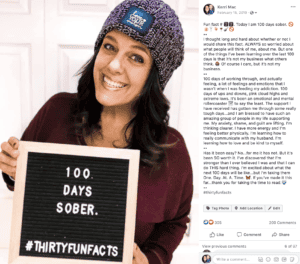
This public post on Facebook was my ‘drastic’. ??
I have never regretted posting it. As I started getting the notifications from comments and likes I was afraid to go read them. When I finally did I wanted to cry. Happy tears. ? Grateful tears. I was overwhelmed and speechless by all the positive, encouraging, supportive and ‘I can relate’ messages that I got. I was shown nothing but love.
This single scary ‘burn the ships’ post 100 days in busted down the door and has made it easy for me to continue to share my journey. Using my story and my voice helps keep me in check, and it helps others know that they are not alone.
Fast forward to today…In the few days before sitting down to get these words out I was doing a lot of thinking about my 100 day post, trying to remember the way I was feeling, what emotions I was experiencing. What quickly came to mind was how scared I was. Putting yourself out there like this, being vulnerable like this, is scary. And once it’s out there…once that ship has been burned…it can’t be unburned! But that’s the point, right? I knew I had no other choice, I had to take action. If I didn’t, nothing would change. Even though I really wanted to get sober and live a life without alcohol, I was too scared to leave the comfortable and familiar. Burning the ships gave me the courage, strength, and the push, to step into a new life.
Have you burned your ships? Or do you always give yourself a way out?
It doesn’t have to be a public blast on social media like I did. That was a level 5 on the Burnometer! ?
There are different levels of burning the ships. Start with level 1, work your way up! They all will help establish another layer of accountability for you.
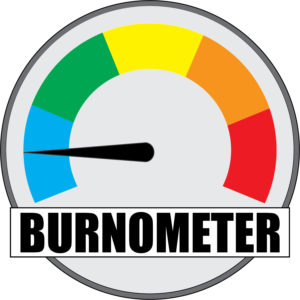
Level 1: Someone you don’t know well. This could be a store clerk, a barista, a friend from book club, but not a stranger.
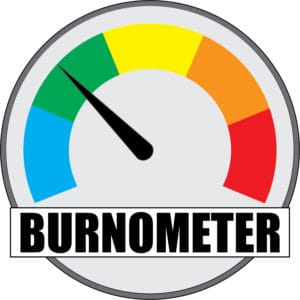 Level 2: Someone you consider a friend, or who you have regular monthly interaction with. This is an acquaintance from the gym, a neighbor, restaurant employee.
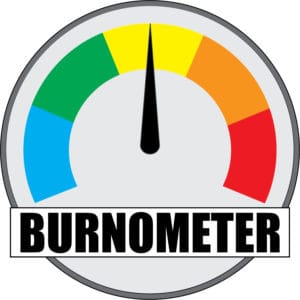 Level 3: This is someone you interact with on a weekly basis. Co-worker, good friend, running partner, or hiking friend.
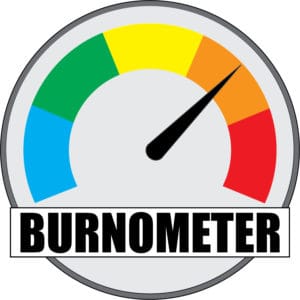 Level 4: Meeting with a close group of friends, family, spouse, in person conversation. Immediate family.
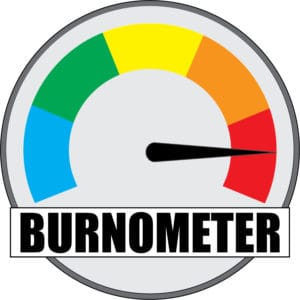 Level 5: FB Live, Podcast, Social media post, family meeting, airplane with banner in the sky.
I challenge you to pick a level above, find someone that fits the description…and burn baby burn. ?
Please come back and share your experience with me!
Until next time, be well.
KMac ??
by Kris Oyen | May 18, 2026 | Podcast
Podcast: Play in new window | Download
Subscribe to the Recovery Elevator Podcast Apple Podcasts | | More
Today we have Will. He is 32 years old, lives in Allenstown, NH and took his last drink on October 5th, 2019.
This episode is brought to you by:
Sign up and get 10% off: Better Help
Café RE – THE social app for sober people
Bozeman 2026 – August 12th-16th, 2026
[06:22] Paul introduces Will:
Will is 32 years old, lives in New Hampshire and works for the US Postal Service. Will enjoys writing, watching films, hiking and traveling.
Will grew up in a strict, religious household. From middle school through high school, Will did homeschooling which left him feeling like he didn’t really have any friends. By the time he was 15 or 16, he felt like he was missing out on a lot of life experiences. Will moved out of home with his brother when he turned 18 and says this is when his partying began as a way to make up for lost time.
Will began working in the food service industry and says it was his first taste of life outside of the religious bubble he had grown up in. While he had a level of social anxiety that kept him out of nightclubs and things of that nature, his brother enjoyed the nightlife and typically had alcohol in the house which Will would drink by himself.
Between the ages of 19 and 21, Will had found some friends he calls kindred spirits in that they were all creative and a little nerdy. He says his life was simple back then: go to work and then go hang out with his friends and play/watch video games while drinking.
At 22, Will got a DUI. This was not enough to make him feel like he needed to stop drinking but he thought he should try moderating. The financial struggles after the DUI were hard on Will and he was beginning to feel like he screwed his life up already. Between ages 22 and 24, Will references them as his rock bottom years. He was losing friends due to his behavior when he drank and felt haunted by social failures and missing opportunities.
Will tried going to therapy at 24 but didn’t address his drinking at all. The anxiety and depression were crippling, and he began having suicidal ideations. Will tried going to AA but struggled not to focus on the things he didn’t agree with. It was a TV series called Patrick Melrose that helped inspire Will to try something new. Will decided to try going to rehab.
Will started burning the ships with his family and the supervisory staff at his jobs so that he could plan to go to detox. He was there for nine days and says it was an amazing experience. He felt good about the decision to go and says he got a lot of out of it.
The cycle of starts and stops began, Will was trying to hide his drinking unsuccessfully. In this middle of this time, he had started dating someone and fell in love. They ended up moving in together. Will says the move was helpful for him, but he was still trying to drink and hide it from her.
The night before a planned trip to NYC, Will drank a couple of beers, and his girlfriend could smell it on him the next morning. They talked about it on the way to their Airbnb and Will spent his first day sober walking around the city. This experience left an impression on Will, and he recognized he could have fun sober and it made him crave more life experiences.
Will’s girlfriend was very supportive; he returned to AA meetings and got a new therapist that specialized in addiction. After several months, he began taking classes for recovery support. An internship led to a job and Will says it was life changing.
Since being in recovery, Will says that his depression is gone and he is better at holding himself accountable in his life. A lot has happened since he quit drinking, but he feels that all of the challenges have made him stronger.
Recovery Elevator
We took the elevator down.
You’ve got to take the stairs back up.
We can do this.
RE Instagram
Sobriety Tracker iTunes
RE YouTube

by Kris Oyen | Nov 24, 2025 | Podcast
Podcast: Play in new window | Download
Subscribe to the Recovery Elevator Podcast Apple Podcasts | | More
Today we have Emily. She is 43 years old from Sacramento, CA and took her last drink on December 20th, 2024.
This episode is brought to you by:
Better Help – 10% off of your first month #sponsored
Exact Nature – code RE20 saves 20% off your order
Registration for Recovery Elevator’s Dry January course Restore opens on December 1st. We are meeting 13 times live in the month of January to give you the best chance of ditching the booze. There are plenty of teachings throughout the month, but the best part of the course is that it’s community-based. It’s all about building connections over our shared interest of an alcohol-free life.
Costa Rica, February 21st – 28th, 2026. Two spots have opened up for our next Sober Travel Trip. Come join us!
[03:03] Thoughts from Paul:
Happy Thanksgiving to our American listeners! Paul is wishing everyone a week of peace, calm, turkey, pumpkin and hopefully whipped cream and lots of ice cream.
Paul was going to give us 10 tips to help you stay alcohol-free this week, but if you get this one right, then you should be ok… Somebody – ideally everybody – at your Thanksgiving dinner needs to know that you are not drinking or of your plans to stay sober. We at RE call this burning the ships and AA calls this radical honesty.
Ok, here’s a second tip – do your best to be thankful or find things to be thankful for. Thank the universe for your willingness to show up. For your willingness to listen to a podcast about making profound change. This shit ain’t easy.
Paul and the rest of us at RE are grateful for you all and for your support over the years.
THANK YOU!
[07:59] Paul introduces Emily:
Emily lives in Sacramento, CA with her husband and four children. She is a flower farmer. For fun, she enjoys playing music, spending time outside, talking to animals, reading and taking naps.
Emily only drank a handful of times prior to age 38. She was raised Mormon with a loving family in a small town outside of Yosemite. There was no exposure to alcohol for Emily growing up. She says every time she did drink she felt enormous guilt and shame due to her religion and the pressure to fit the mold of what she was expected to be.
Between the ages of 33 and 37, Emily and her husband started a charter school for the arts in California. It was very successful but was closed down after five years because of politics in the small town. Emily tried to be resilient and keep moving forward, but a series of personal blows to her and her family found them moving two hours away from family in friends because of a job.
Emily began to realize her life in the church wasn’t aligned with her personal values. Since they had moved away from family and friends, Emily decided to try “mommy wine culture”. She began drinking wine in a coffee mug after the kids went to bed in an effort to be discreet with it and enjoyed how it calmed her down and not think about everything that was going on.
Emily didn’t have much knowledge about how alcohol affected people, and her drinking progressed quickly. She decided to check into outpatient rehab in 2021 with the support of her husband. She had six months of sobriety and then thought she could moderate. That idea ended terribly one night in December 2024 when Emily got arrested for domestic violence.
After the incident, Emily and her husband separated and she was only saw the kids every other week. She drank a few times but decided it wasn’t worth it anymore. She began therapy to try and uncover why she felt the need to soften the edges of her life.
One of the many things that Emily feels she has gained in recovery is the ability to trust herself again. She and her husband have reconciled and are rebuilding a strong foundation. Emily says that in addition to therapy, she enjoys podcasts, reading quit lit, journaling and Refuge Recovery.
Recovery Elevator
It’s all about the journey and not so much the destination.
I love you guys,
Café RE
RE on Instagram
Sobriety Tracker iTunes
RE Merch
RE YouTube

by Kris Oyen | Aug 18, 2025 | Podcast
Podcast: Play in new window | Download
Subscribe to the Recovery Elevator Podcast Apple Podcasts | | More
Today we have Amy. She is 41 years old and lives in Raleigh, NC. She took her last drink on December 12th, 2023.
This episode brought to you by:
Better Help – 10% off of your first month #sponsored
Exact Nature – use code RE20 to save 20% off of your order
October 2026 we have a new retreat we have yet to do. This is an in-person alcohol-free ukulele retreat taking place in Guanacaste, Costa Rica. There will be ukulele instruction in the mornings and Spanish immersion courses in the afternoon.
[02:01] Thoughts from Paul:
Addiction is disconnecting with the self and your fellow humans. More sobriety is connection with the self, your fellow humans and more. “I” equals illness, “we” equals wellness.
Quitting drinking is a perfect circle. Your drinking crisis is an opportunity for someone to help. Phrased with 12 step verbiage, your first step is someone else’s 12th step. And when you find your footing, you can then assist someone else in their drinking crisis.
When the soul is hurting, the healing only happens when you’re not alone. And speaking of being alone, listeners, you are not alone. You are not the only one who struggles with alcohol. You, along with the other listeners, are seeking not only sobriety but seeking a deeper connection with all. Seeking answers that the bottle can’t deliver. You are in the right place.
[07:37] Paul introduces Amy:
Amy is 41 years old and lives in Raleigh, NC with her husband and a three-year-old son. Amy says she is a theater nerd and does improv comedy for fun.
Amy grew up in the southwest side of Chicago where she says her father was an alcoholic. She has memories of being a child at AA and Al-Anon meetings with her parents as well as memories of her father taking her to bars when they would tell her mother they were somewhere else.
Amy had her first drink when she was 15 while going to a concert with older teens. There was a bottle passed around the group and they all got drunk. Later that night she was found in the field of the concert venue by paramedics and taken to the hospital to have her stomach pumped.
She began to live a double life throughout high school and college. Amy saw that if she got good grades and joined all of the clubs, she would get praise and recognition. On the flip side she would drink very hard, and it wasn’t uncommon for her to get alcohol poisoning. Only after going to grad school in New York was Amy able to calm down a bit.
After COVID, Amy and her husband were doing IVF. Amy says she didn’t drink much at this point, but after having the baby, she suffered from postpartum anxiety which led her to daily drinking as a tool to cope with it. Over time she would begin to try moderation but limiting herself to two drinks was difficult and led to binges.
Amy’s last bender was at a holiday work party. The next day she found herself hungover and asked herself how her drinking was any better than her father’s was when she was younger. She knew that she may be heading down a dangerous path, so Amy decided to call the local AA helpline.
Amy began going to AA meetings and found a sponsor. She shares that her mother was a great support because of her experience with Al-Anon and she understood what Amy was going through.
One of the best things for Amy was burning the ships and gaining accountability. Even after 18 months, Amy admits there is white knuckling at times. She realizes that after 25 years of drinking, it doesn’t all heal within 18 months, but she is grateful to be where she is and says that since getting sober, she hasn’t missed a day of her son’s life.
Amy’s parting piece of guidance: everything that she was looking for while getting drunk can be found in recovery and she found it in Café RE and AA. Take what works and leave the rest.
Recovery Elevator
It all starts from the inside out.
I love you guys.
Café RE – the social app for sober people
RE on Instagram
Recovery Elevator YouTube
Sobriety Tracker iTunes
by Kris Oyen | Feb 24, 2025 | Podcast
Podcast: Play in new window | Download
Subscribe to the Recovery Elevator Podcast Apple Podcasts | | More
Today we have Robbie. He is 43 and lives in Moses Lake, WA. He took his last drink on August 15th, 2024
Sponsors for this episode include:
Better Help – 10% off of your first month
3,649 days ago, or 1 day shy of ten years, the first episode of the Recovery Elevator podcast dropped. Paul remembers the date well because for three months after the first episode released, he kept thinking “oh my God, what have I done?”. Burning the ships in podcast format gave Paul a lot of anxiety, but here we are, 523 weeks later and thank you listeners, for keeping the show alive.
30 Best Sobriety Podcasts
[04:13] Thoughts from Paul:
Paul shares the definition and his thoughts around the term gray area drinking. The definition states that it is the space between end-stage drinking and every now and again drinking. Gray area drinking could also be classified as someone who can stop drinking without medical detox or can stop on their own before someone stages an intervention.
Paul believes it’s all gray area drinking. Be it one beer a month or 10 beers a night. One common thread he hears on this podcast is “and then xyz happened”. It’s these major life events that can ramp up the drinking and everyone has life happen to them.
[07:10] Paul introduces Robbie:
Robbie is 43 years old and lives in Moses Lake, WA. He currently works at a chemical plant in the semiconductor industry. He has five children in the age range of eight months to 14. They enjoy spending time outdoors and at the lake near their home. Robbie is a big sports fan and played sports often while growing up.
Robbie took his first drink when he was in college in his 20s. He didn’t drink much until he lost his dad in 2013. Without knowing how to process his grief and having young children, Robbie learned that drinking helped him be numb and he started drinking four or five days a week. At the time, Robbie was working as a corrections officer, which was a very stressful job that contributed to his drinking as well.
In 2018 Robbie’s marriage ended. This was the first time he had been away from his children. He moved two hours away from them to stay at his mom’s house. After his second DUI in two weeks, the judge imposed alcohol monitoring for Robbie. This helped him stay sober for a year but only because he had to be.
Thinking he could now moderate, Robbie started drinking soon after no longer having the monitoring device. He says he wasn’t having a good time, and he was just using it to numb out from multiple traumas.
In February 2024 Robbie reached a breaking point and reach out to his brother-in-law who helped him find a treatment center in Utah. Robbie was there for 35 days and felt like he had made a lot of progress. He learned a lot about himself and started doing counseling. Robbie finally got some help dealing with some big traumas throughout his life. He says he feels like he used alcohol to punish himself thinking he deserved to be miserable.
After a brief relapse, Robbie says he woke up on August 15th and just knew it was over, and he had to stop drinking for good. He decided to try naltrexone which he first learned about in rehab. He took it for the first month and says he still has no desire to drink. Robbie goes to AA meetings, listens to podcasts and audiobooks, and is a member of Café RE. Robbie stays accountable with his family and friends at work. People have noticed a positive change in him.
In the past Robbie quit drinking because he was forced to, or for other people. He said on August 15th; he was doing it for himself. He says sobriety is the greatest gift to himself and his kids.
Robbie’s parting piece of guidance: If you’re asking yourself if you drink too much or if it’s becoming a problem, it already is. Listen to your gut. Believe in yourself that you can quit.
Recovery Elevator
You took the elevator down; you got to take the stairs back up.
We can do this.
Café RE
RE merch
Recovery Elevator YouTube
Sobriety Tracker iTunes