by Kris Oyen | Jan 2, 2023 | Podcast
Podcast: Play in new window | Download
Subscribe to the Recovery Elevator Podcast Apple Podcasts | | More
Episode 411 – The Grateful Alcoholic
Today we have Lisa who is 65 from Atlanta, GA took her last drink on 11/17/2022.
Whether you are on day 1 or day 1000, there is still time to join REStore. The next class is tonight at 8:30pm EST
There are still spots open for our next sober travel trip to Costa Rica from April 12th-21st for more information click the link Costa Rica 2023
Highlights from Paul:
Paul didn’t understand a fellow AA member’s references to being a “grateful alcoholic”. Only after getting to know Jim, did he understand what they meant. It took a few years for Paul to get to that point to be grateful for his addiction.
He reflects that our addictions are signposts trying to guide us to a more authentic life and that there are no such things as failures. They are learning opportunities and we should never give up. We should trust the process of healing from the addictions, and we can all become grateful for the role that alcohol has played in our lives.
Better Help: www.betterhelp.com/elevator – 10% off your first month. #sponsored
[00:00] Paul introduces Lisa
Her last drink was November 17, 2022 – a little over three weeks from the time of this recording. She says it feels wonderful, relieving, liberating, comforting, all positive things.
Lisa is 65 and lives in Atlanta area with her husband of 36 years. They have two grown children and remain close to them. She enjoys reading, travelling, exercise, nature and family time.
Lisa’s drinking started out on the weekends in high school. She drank throughout adulthood and always knew she drank abnormally. She discovered she had her first blackout and fell when she was nearly 50. That scared her into getting sober with AA but she feels she never did the work or found a good sponsor. After one year, she thought she could handle drinking again.
Over the last two or three years she has known she needed to stop again. She was starting to notice the health consequences and began finding resources including The Huberman Lab podcast episode about alcohol, and This Naked Mind.
Journalling about her drinking past has helped her recognize some of what drove her to addiction. She became aware that her drinking ramped up after she retired in 2015 as she felt a loss of identity. She has recently become a caretaker for her mother who has been in recovery since Lisa was 15, but they have never been close. She thinks she used alcohol for stress and anxiety relief over that and the loneliness she found in retirement. Now that she knows that it is her brain reacting to the disease which she finds helpful to her recovery. She embraces that she must do things differently this time and get comfortable with being uncomfortable. She has joined several recovery communities and asked to be on the podcast. She has not shared her journey with her immediate family but plans to do so very soon.
In recovery, Lisa says that routine is vital to her success. She exercises daily while listening to podcasts. She enjoys volunteering to stay busy. Her faith is very important to her and she finds prayer and journalling helpful.
One thing she has learned in sobriety – she can find the courage to do hard things and is stronger than she realized
Parting piece of guidance – you can control your thoughts, just focus on what you are gaining, not what you are losing.
[00:00] Closing thoughts from Paul:
Paul encourages us to stop labeling things as a problem. We need challenges to appreciate rewards. He compares this to alcohol as being the invitation to step into a rebirth and make great changes in our lives for the better. He has yet to meet someone that regretted quitting drinking. Paul also revisits his thoughts on Big Alcohol and his view on legalization of drugs and alcohol.
Connect with Cafe RE – Use the promo code OPPORTUNITY to waive the set-up fee.
Recovery Elevator YouTube – Subscribe here!
Sobriety Tracker iTunes
I love you guys.
We took the elevator down; we’ve got to take the stairs back up.
We can do this.
by Kris Oyen | Feb 12, 2024 | Podcast
Podcast: Play in new window | Download
Subscribe to the Recovery Elevator Podcast Apple Podcasts | | More
Episode 469 – 10 Facts About Americans and Alcohol
Today we have Lisa. She is 66 years old and lives in Atlanta, GA. She took her last drink on November 16th, 2022.
Café RE – use the code OPPORTUNITY to waive the setup fee.
[02:51] Thoughts from Paul:
Paul shares with us ten facts about Americans and their drinking habits that he found in an article from the Pew Research Center.
The article shares with us statistics regarding what people are drinking and where alcohol consumption is the highest, along with statistics about age and income ranges.
The biggest takeaway from this article is the first stat that says, “Only 62% of U.S. adults say they drink” while 38% abstain completely. Not everyone is kung fu fighting. There is a voice inside the head that says, “Everybody drinks”, but right there we just debunked that myth. A lot of people don’t drink because they don’t want to. Many people don’t drink because their forced to. Whatever the reason is, about 40% of Americans don’t drink.
And although alcohol consumption is rising, we’re seeing the younger generations say no, like no previous generation has done so.
Check out Sober Link. You can find some tips and can sign up for a $50 off promo code.
[10:00] Paul introduces Lisa:
Lisa is a repeat guest from episode 411. She took her last drink on November 16th, 2022. She is 66 and lives outside of Atlanta. She has been married for 37 years and they have two adult children. Lisa enjoys working out, traveling, reading, and listening to podcasts.
Lisa grew up in a close family, but her parents had a miserable marriage. Her mother drank to deal with it and the drinking increased when Lisa was in middle school. Upon trying her first drink in high school, she didn’t have the “wow” moment at first but quickly found it gave her confidence and she felt accepted and less insecure with her friends.
After graduating college and entering the booming computer software industry, Lisa found herself drinking at a lot of parties, conferences, and sales meetings. She says her husband didn’t drink much. Aside from when she was pregnant, Lisa drank in a way that she considered normal.
In her 40’s, Lisa and her husband left the corporate world and started their own business. It was successful but very stressful. She says her drinking ramped up and she was beginning to try and hide the wine bottles from her husband.
After a fall Lisa had during a blackout, her doctor referred her to a counselor. She discovered AA and was able to stay sober for a year without doing the work. Soon after the year mark, Lisa thought she could moderate and started drinking again. She was successful with moderation at first, but after retiring, finding herself as the sole caretaker for her elderly mother, the drinking increased again.
One night Lisa found herself pouring a glass of wine that she really didn’t want and it was then she decided enough was enough. This time Lisa decided to get help. She went to AA and didn’t feel it was working for her. She discovered a Facebook group called SoberSis as well as Café RE. After her last interview, she was connected with a lot of other ladies that she is still connected with today.
Last year found Lisa tending to several health scares, several surgeries, and the unexpected loss of her parents eight weeks apart. Lisa says that gratitude, using the tools she has learned in the sober community as well as her faith and family has helped her remain sober through it all.
Lisa’s favorite ways to relax deep breathing and exercise.
Lisa’s advice for somebody struggling with life and alcohol: find a way to connect no matter how uncomfortable it is, we have to have connections.
Café RE – use the code OPPORTUNITY to waive the setup fee.
Instagram
Recovery Elevator YouTube
Sobriety Tracker iTunes
Recovery Elevator
Go big, because eventually we’ll all go home.
I love you guys.
by Kerri MacFarlane | May 15, 2023 | Alcohol Free, Blog, Helpful Tips, Resources
Today is the day! Today is the day we are going to find out if you have a drinking problem…or not. Are you ready?
For Paul, when it finally sunk in that he did indeed have a drinking problem (and a good one at that!) two things happened.
First…he was like, “Oh F&#K!”
Then…immediately after, as this truth spread into his body, to his bones, to his conscious, his unconscious, to the heart, to the liver, something neat happened. An incredible amount of energy was instantly liberated.
For two reasons.
- The stigma or label of an alcoholic didn’t change who he was. He was still alive.
- But more importantly…all the energy, the incessant thinking he had of…
- Do I drink, or not?
- Do I have a problem, or not?
- How am I going to control my next session of drinking?
- How am I going to hide it?
- Let’s do our best not to black out before 8 pm.
- Do I have enough shitty box wine back home?
- Let’s not let people know we’ve already had 9 drinks before meeting up at the bar.
ALL of that went away instantly.
In fact the worst place a person can be with a drinking problem is in limbo. The do I or don’t I phase. (Paul covers this in Episode 417).
So for this diagnostic, we are going to use the test listed in the DSM 5, or the diagnostically statical manual which is what most psychologists and/or therapists have somewhere on their shelves.
There’s 11 YES or NO questions. If you answer YES to 2 of the questions, if you meet 2 of the 11 criteria, within the past 12 months, they call it an Alcohol Use Disorder.
THE TEST
- Do you sometimes have difficulty controlling how much you drink or for how long you drink alcohol?
- Have you made unsuccessful attempts to cut down your drinking?
- Do you sometimes spend a significant amount of time drinking or recovering from drinking?
- Has your alcohol use had any negative consequences at home, school, or work? (Have you ever lost time off work because of your drinking?)
- Has your alcohol use had any negative consequences to your relationships or social life? (Have you ever concealed how much you drink? Has anyone ever commented on your drinking?)
- Have you continued to use despite any negative consequences?
- Have you put off things or neglected to do things because of your alcohol use? (Have you ever disappointed your family or friends? Have you ever missed a family event?)
- Do you occasionally have strong cravings for alcohol?
- Has your tolerance for alcohol increased? Are you able to drink more than you did before?
- Have you experienced withdrawal symptoms the next day after drinking? (Have you ever been shaky or sweaty that evening or the next day?)
- Has your alcohol use led to any dangerous situations? (Have you ever been charged with impaired driving?)
Paul has always strived to be a good student, and was “happy” to report a score of 100%. 11/11. For shits and giggles, let’s’ cover what it means if you didn’t ace this like he did.
WHAT IT ALL MEANS
The presence of at least two of these symptoms means you have an AUD. If you have two to three symptoms, it’s considered mild; four to five symptoms is considered moderate; six or more symptoms is considered severe. (If you don’t fall into the severe category, a mild diagnosis can still warrant concern, as it may be the start of a larger problem.)
A couple things before we wrap this up. If you have a drinking problem, life isn’t over…in fact, it’s just beginning.
Some of you may have just learned you have a drinking problem. If this is devastating to you, go to Episode 411 where Paul talks about the grateful alcoholic.
Paul had one more bit of info in his notes from Episode 428 If you find yourself listening to a sobriety podcast (or reading this blog), and you’re not a therapist, a doctor, or listening so that you can support a loved one, then YOU have a drinking problem. If you question whether or not you have a drinking problem, you just answered that question. The bigger question is…what are you going to do about it?
***Taken from Recovery Elevator Podcast, Episode 428, host Paul Churchill***
by Paul Churchill | Feb 12, 2017 | Blog, Sober Meme, The Bottom, The first Year
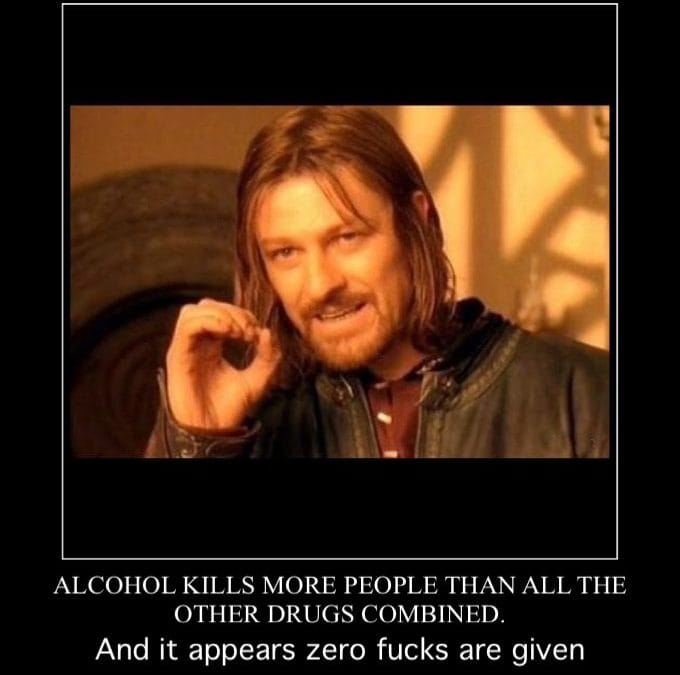
Sober Recovery Memes
One of my favorite things to do while traveling is create sober recovery memes. They are all related to my memories of drinking and creating these recovery memes is a great way to add humor to my recovery. I’ve created over 100 sober memes and plan to keep on making these recovery memes as long as I am sober. Well, if I do drink, which isn’t the plan, I’ll continue to make memes about how drinking sucks.
You can see that the rock star in my life is my best friend Ben who is a standard poodle. When drinking, I often skipped his meals, didn’t deliver on promises of taking him on walks and overall was a sub par dog owner. Now things are much different as these sober recovery memes indicate.
Humor in recovery is essential and sober memes is a great way for me to express my creativity and smile. Sure there were tough times in the past when I was drinking, but looking back on these drunken moments and letting go is a big part of my recovery.
Be sure to add plenty of laughter to your recovery and don’t take yourself too seriously.
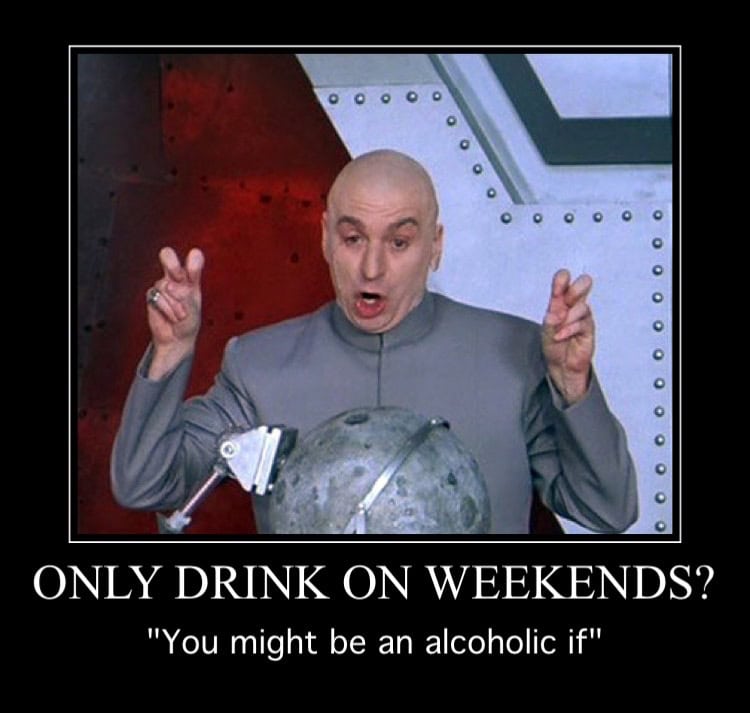


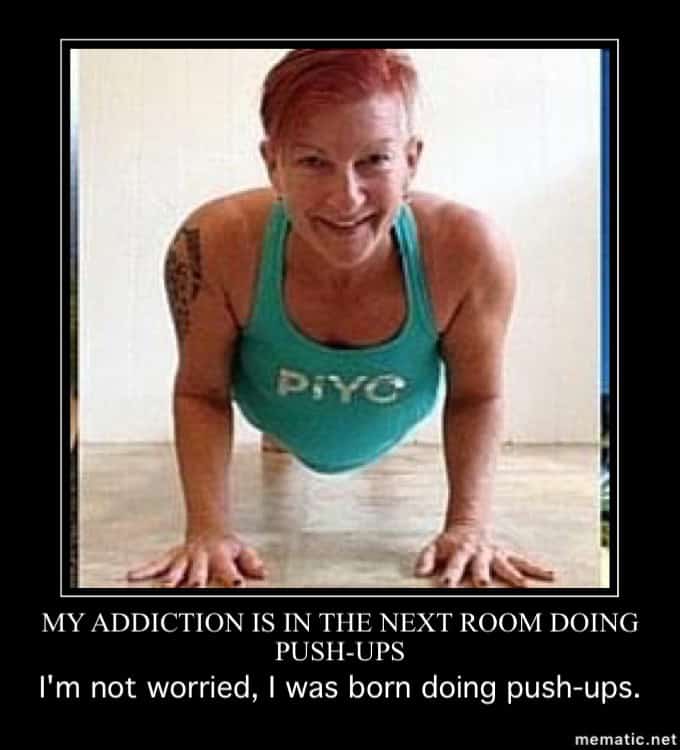

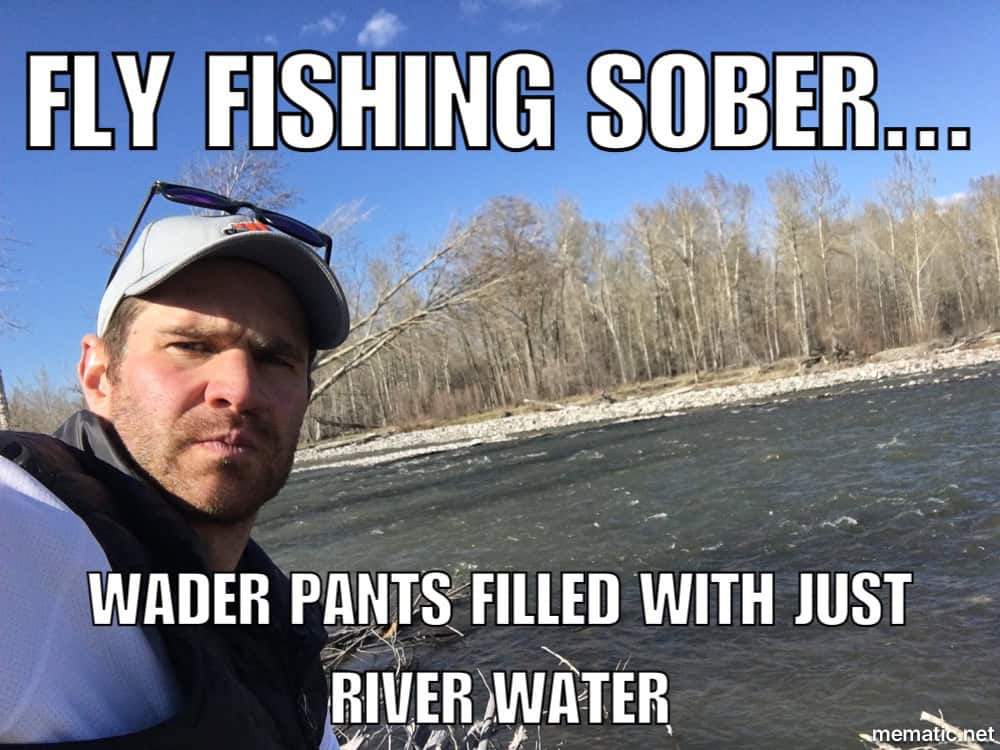


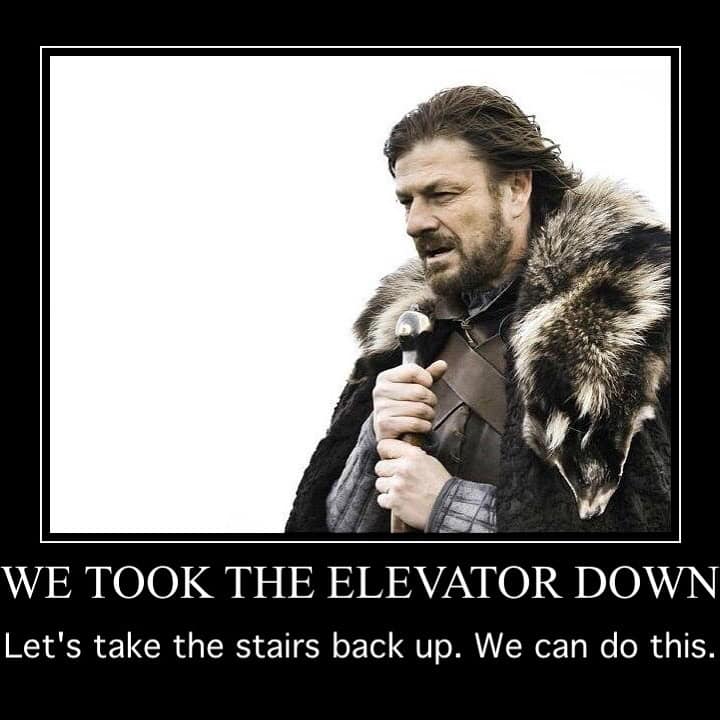

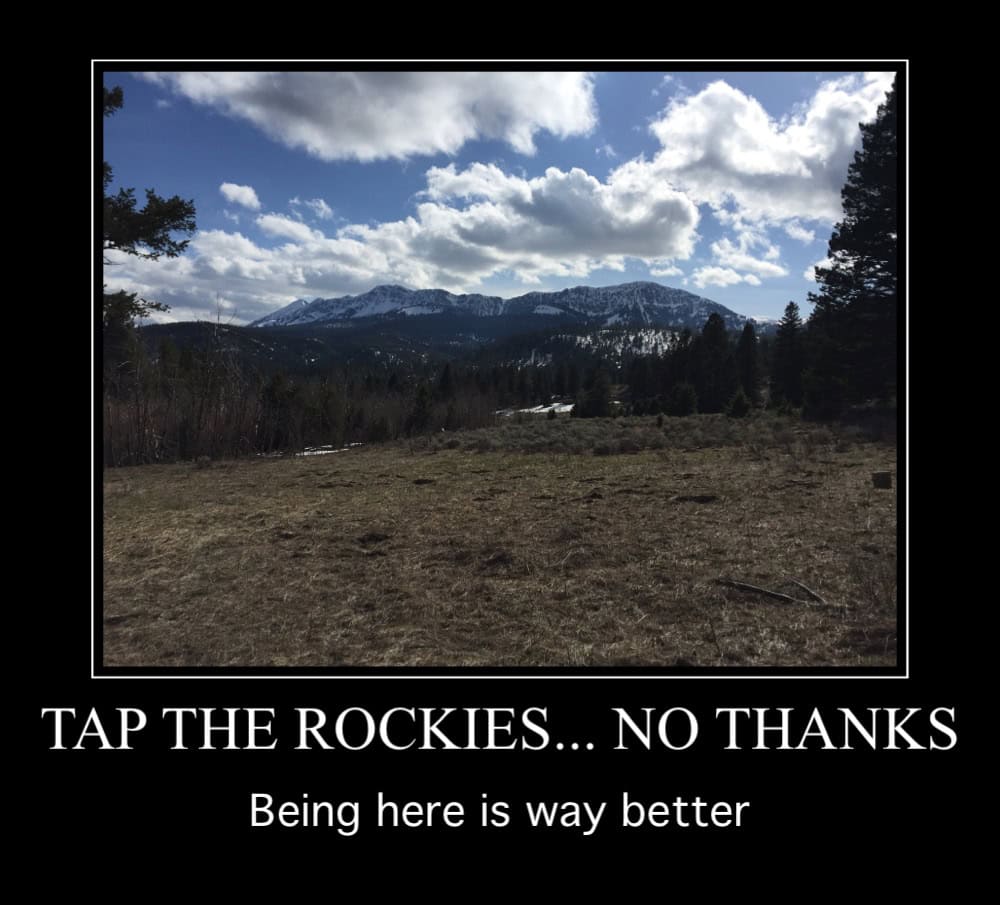
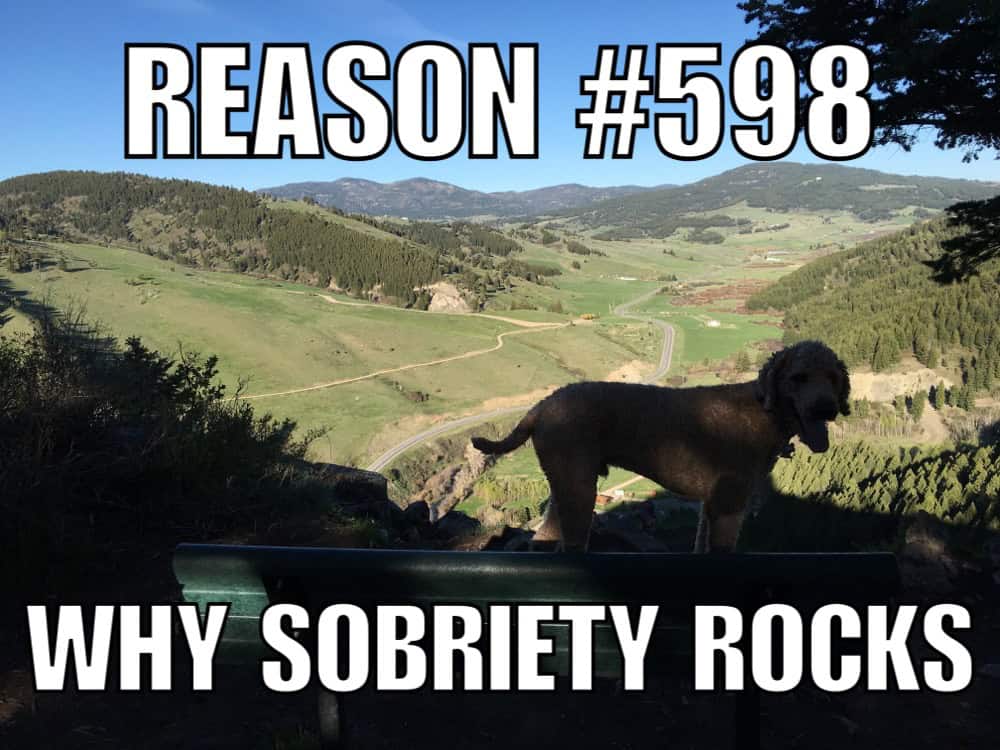
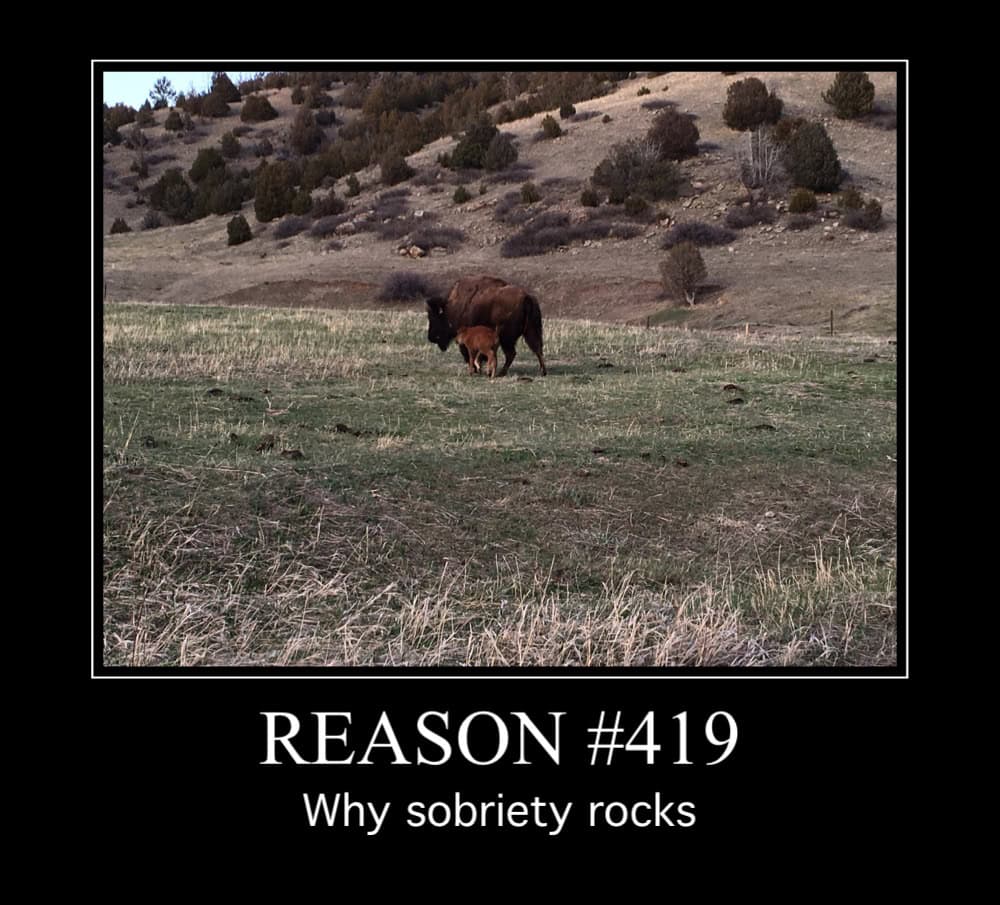
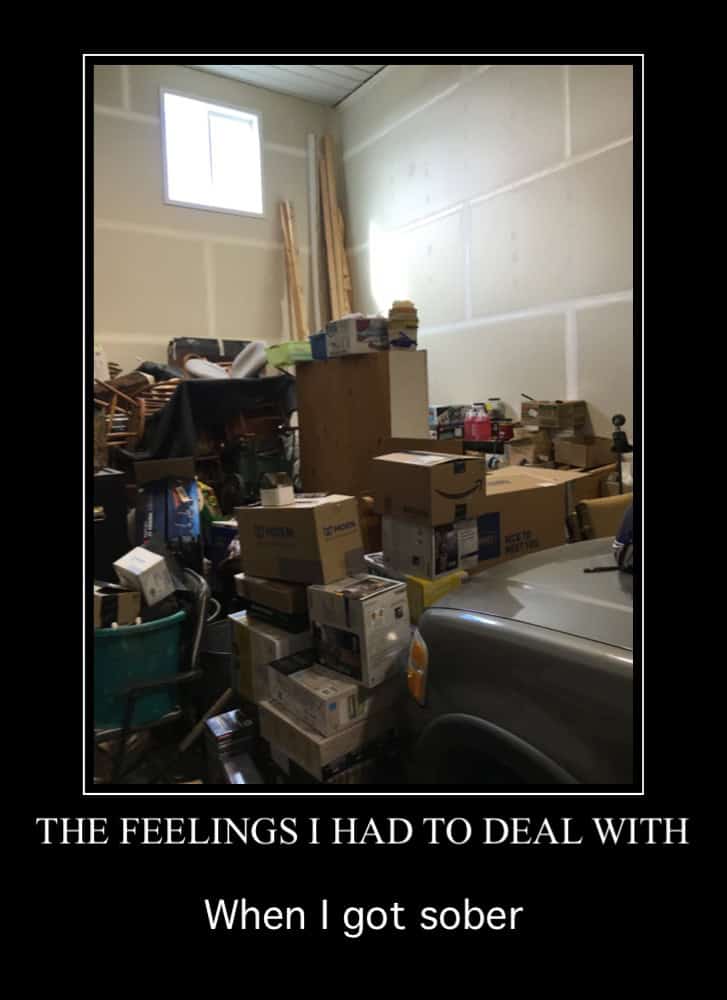
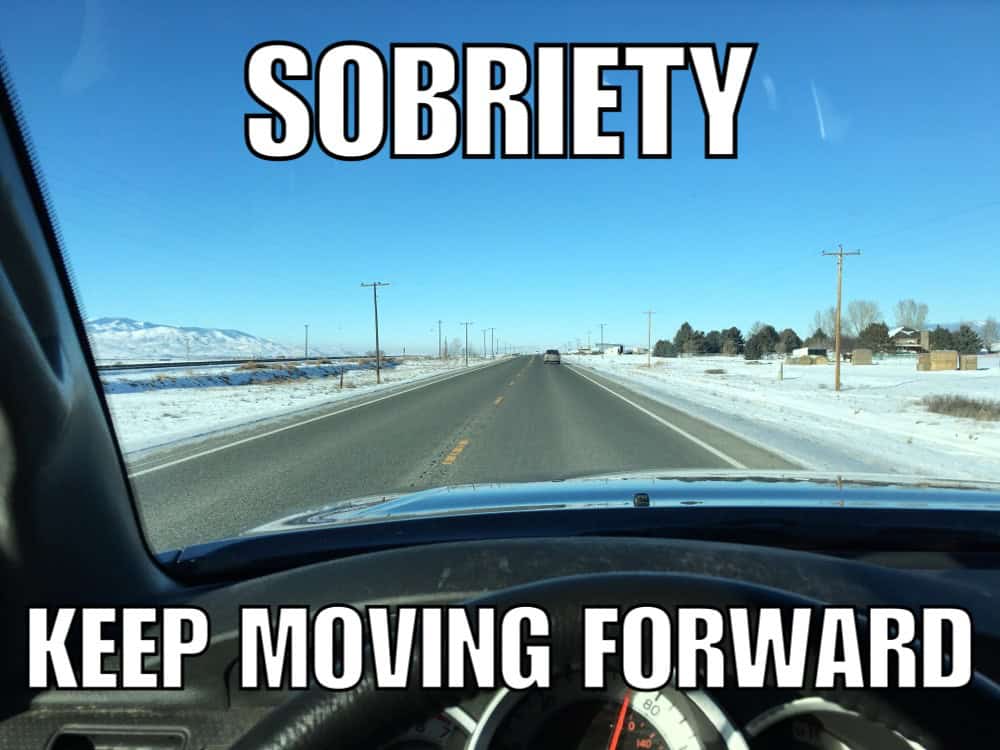
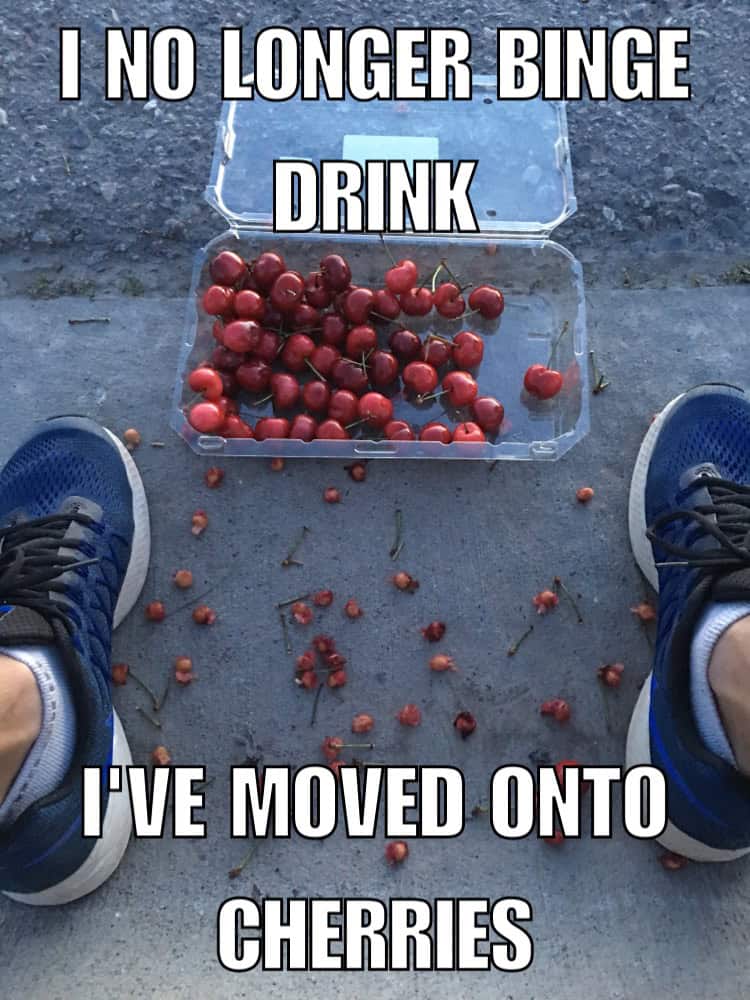
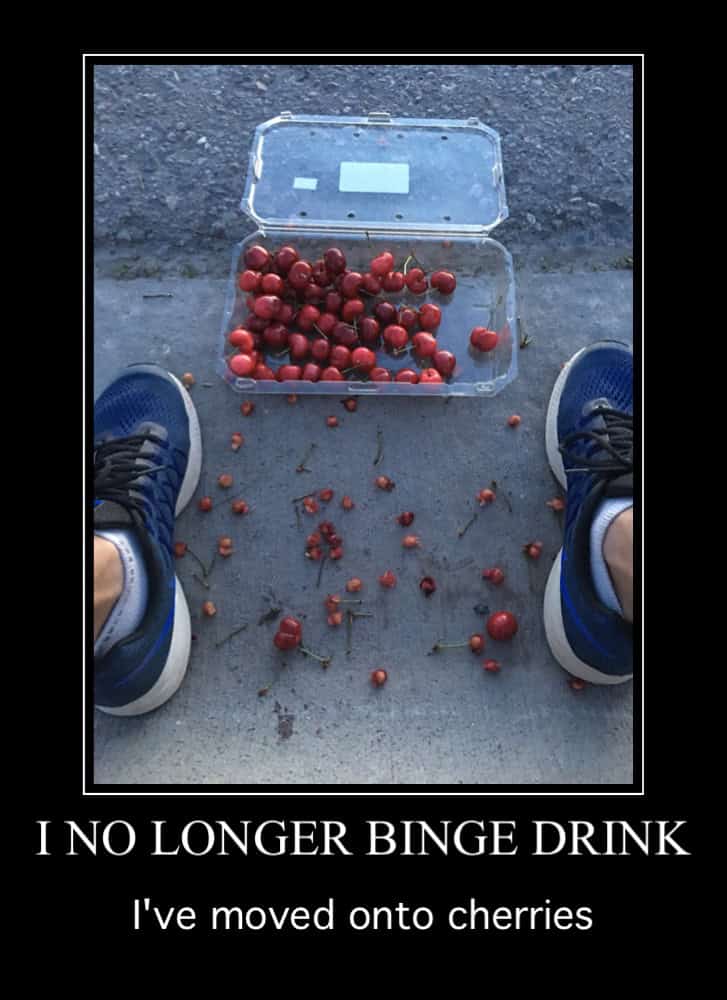
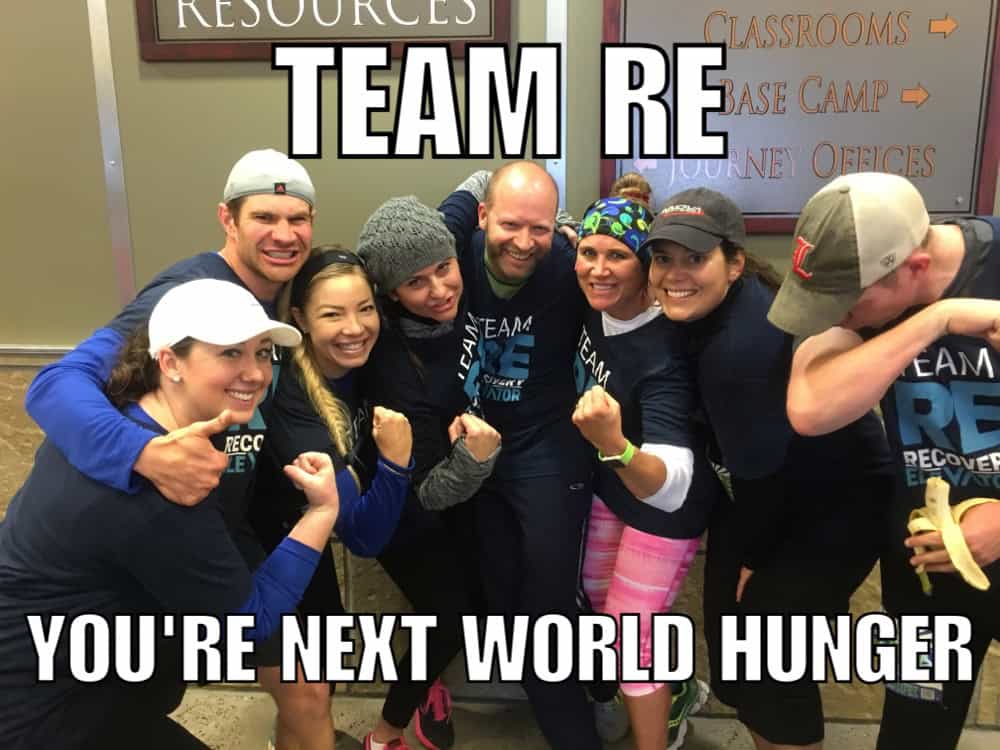
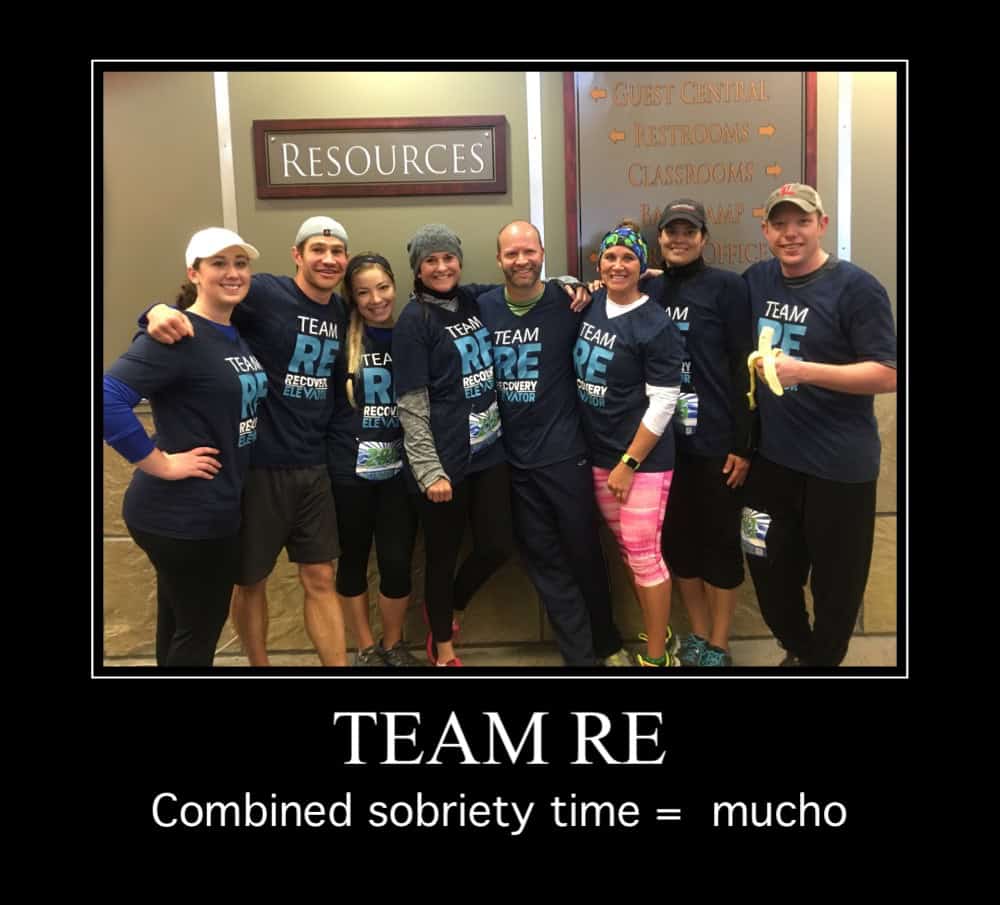
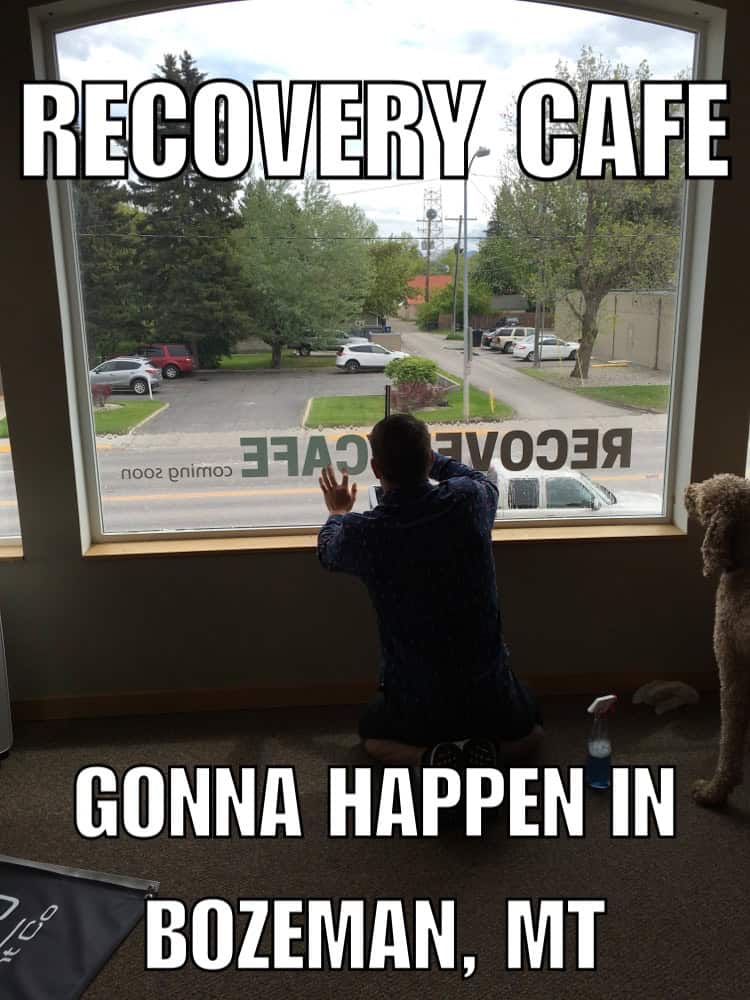





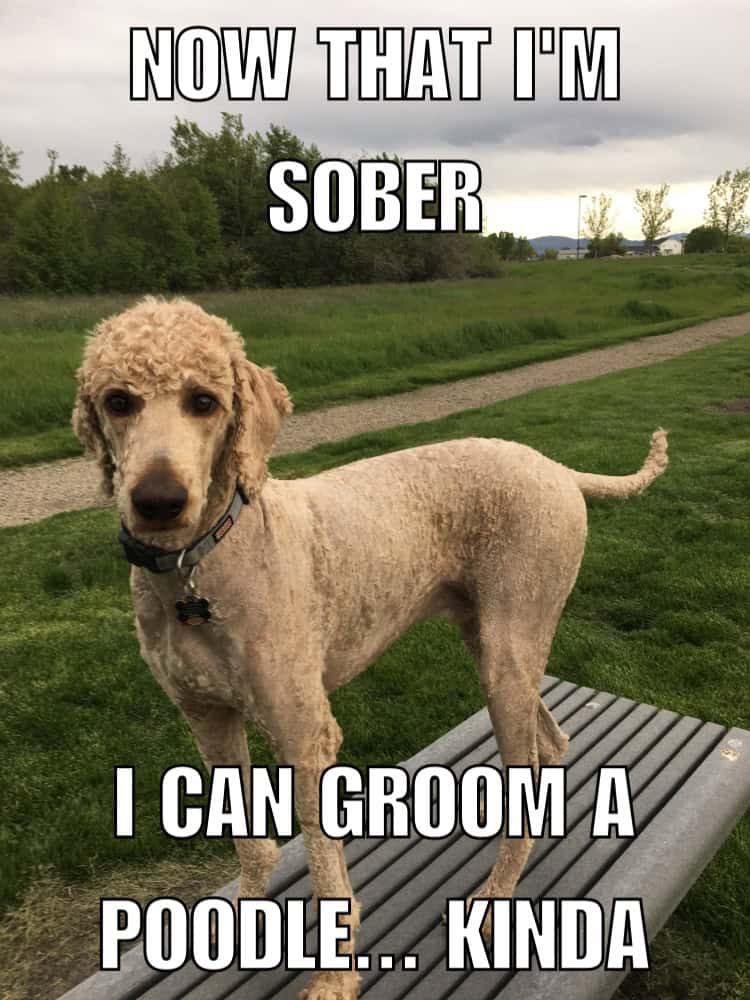
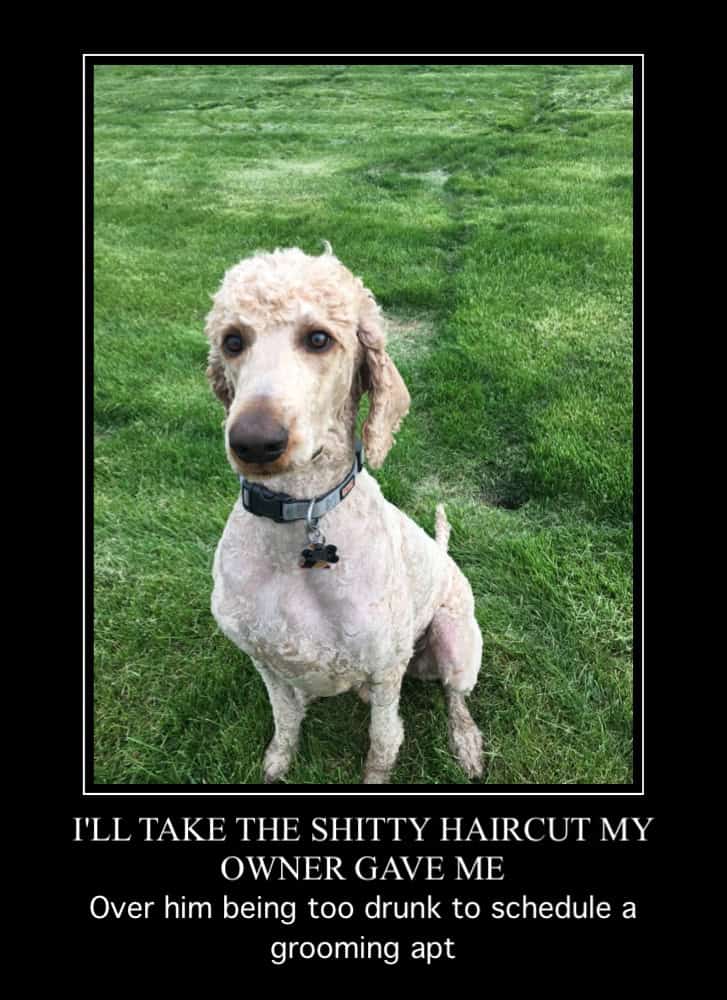
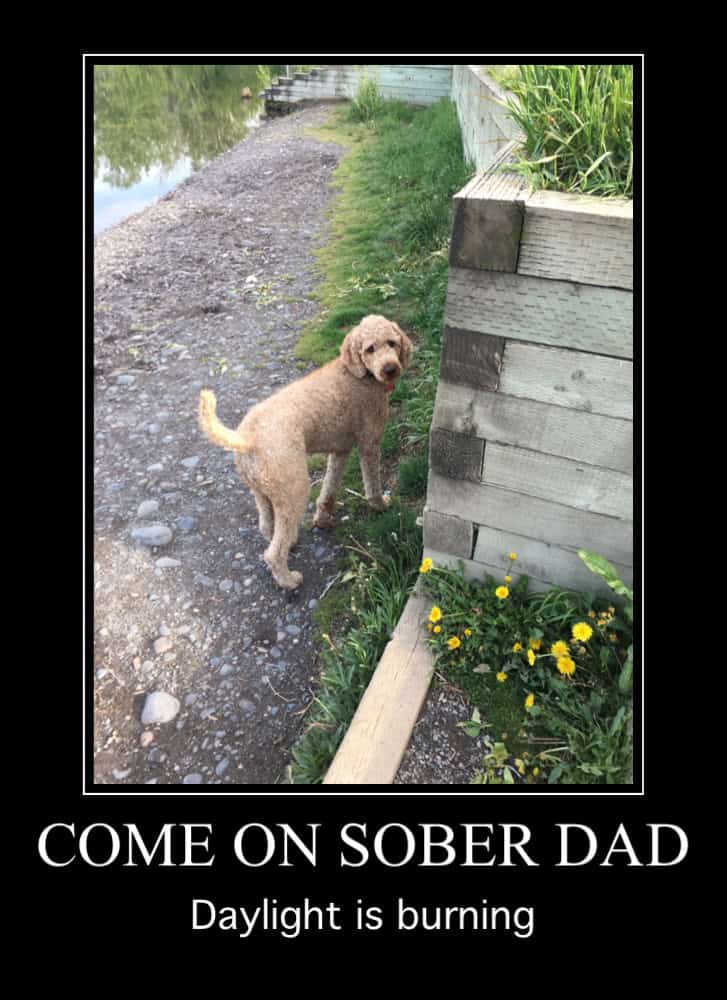
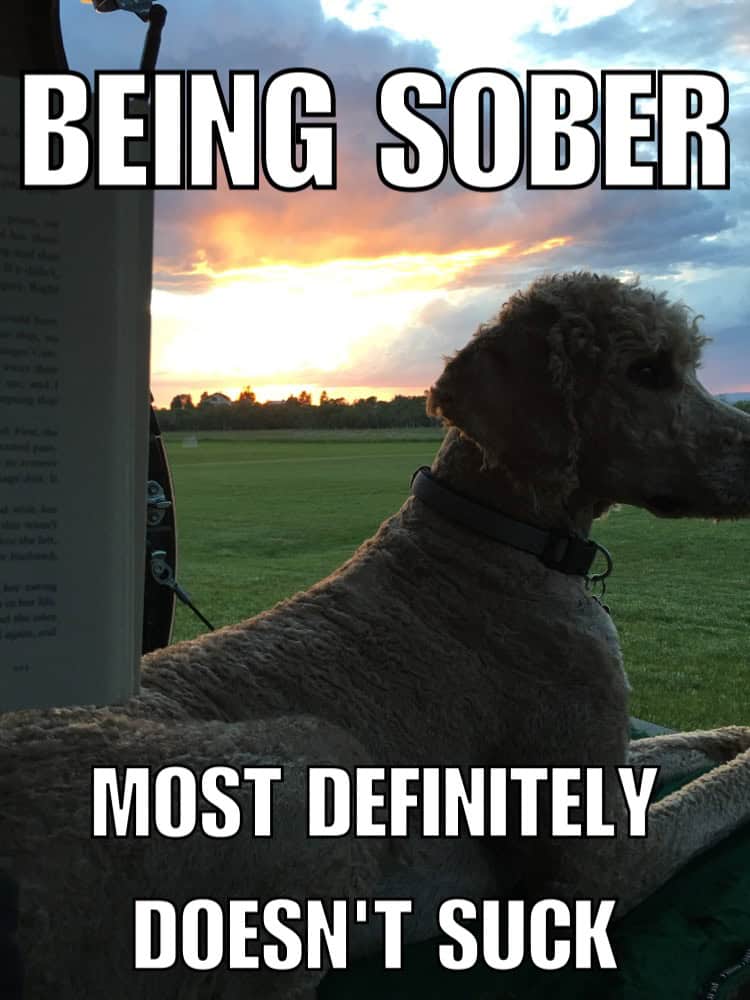

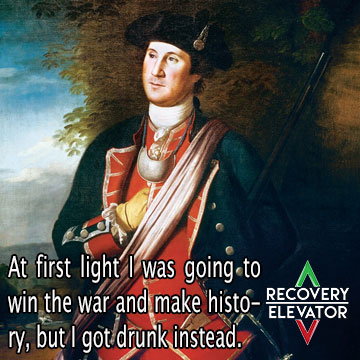
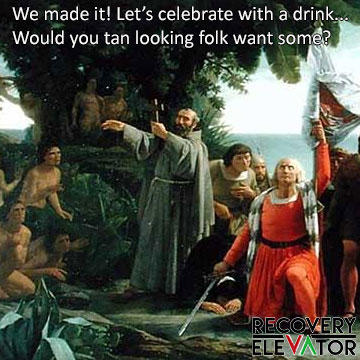
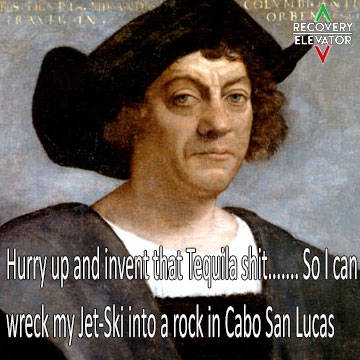



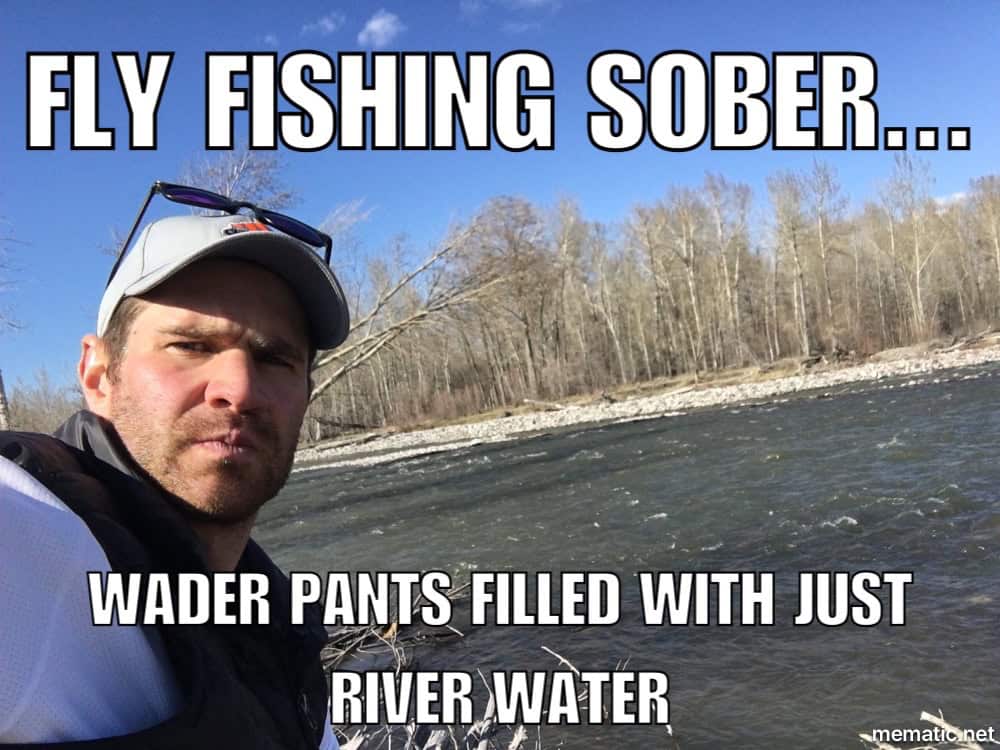


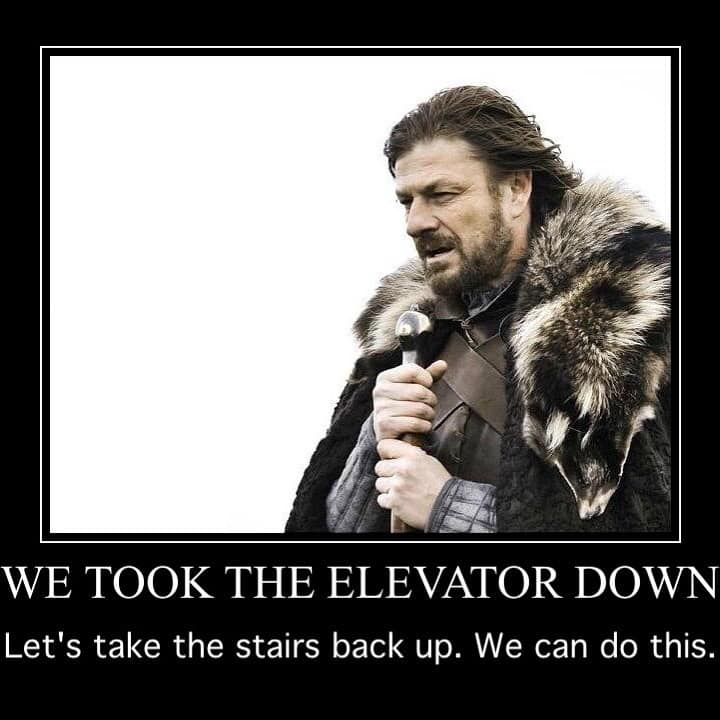

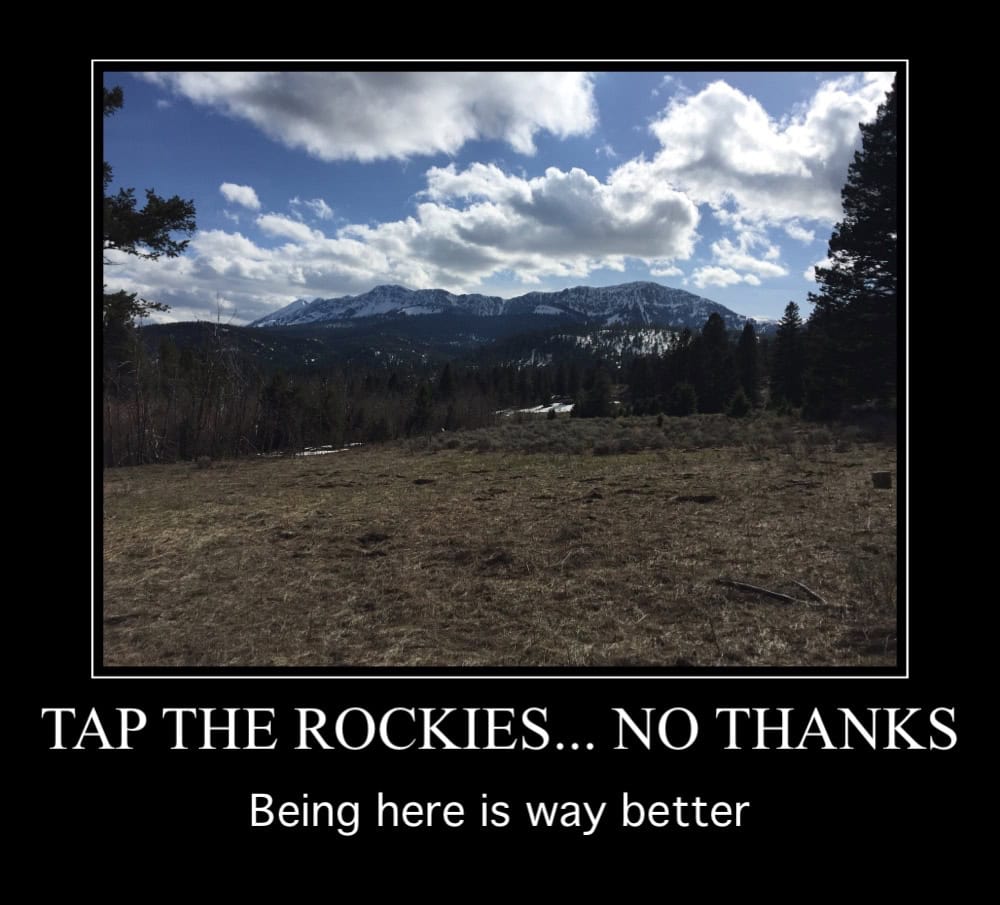
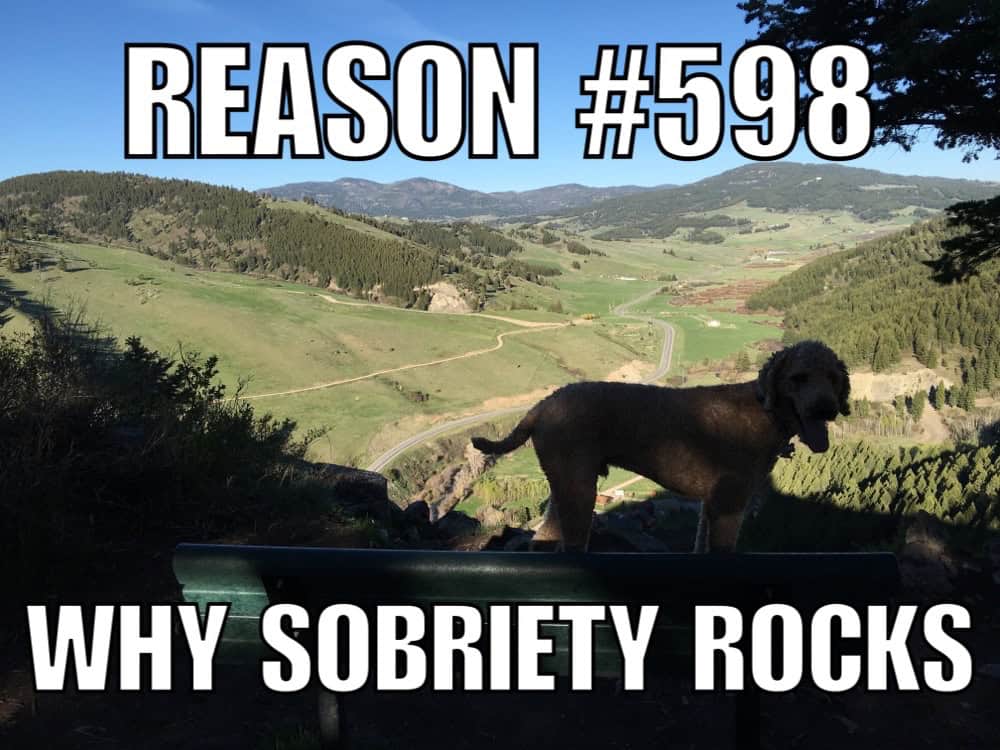
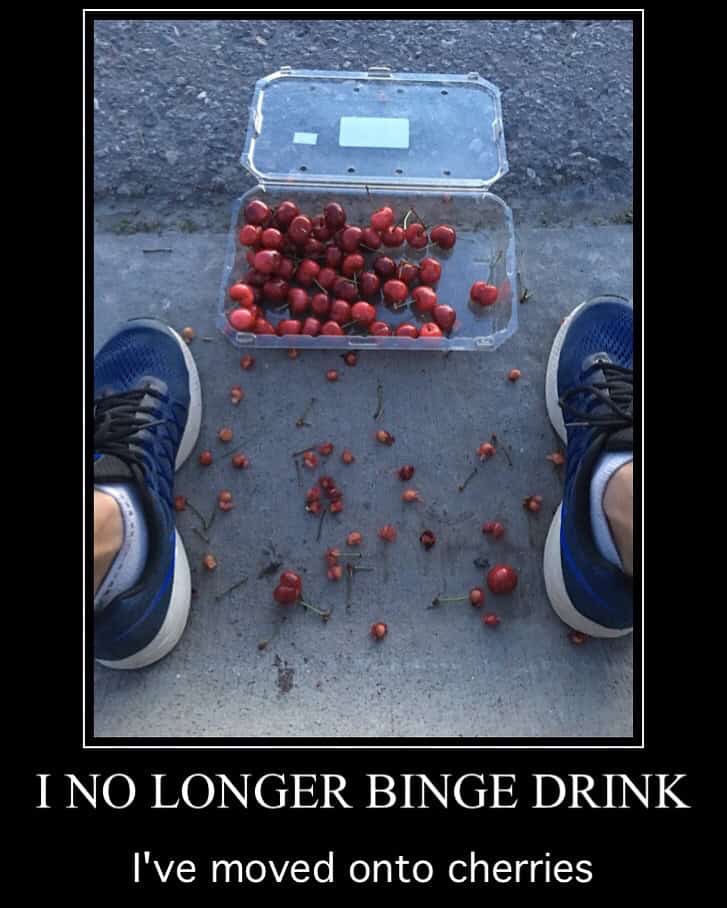
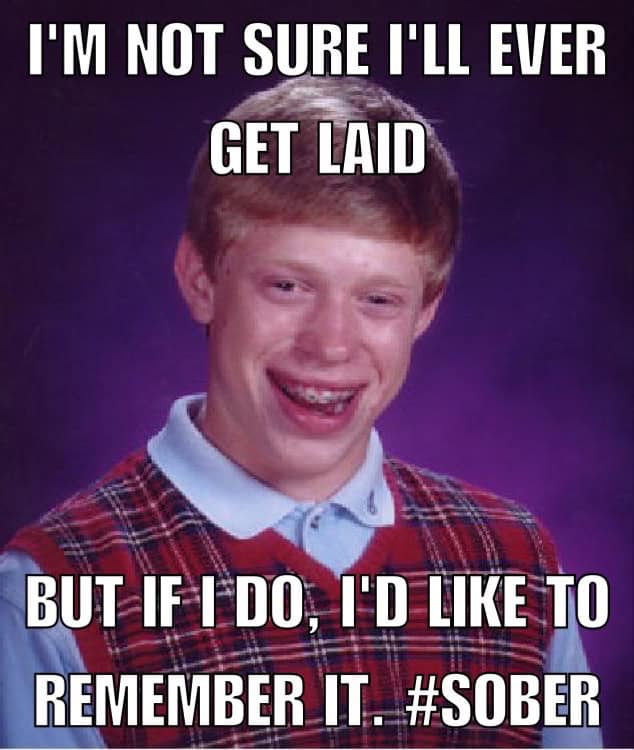
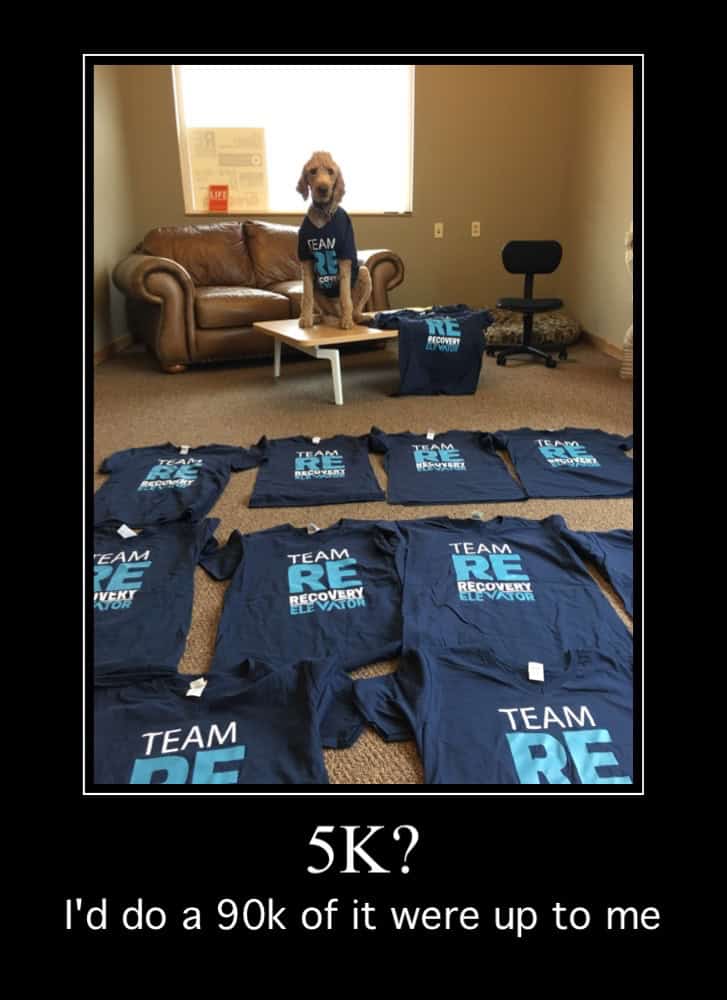
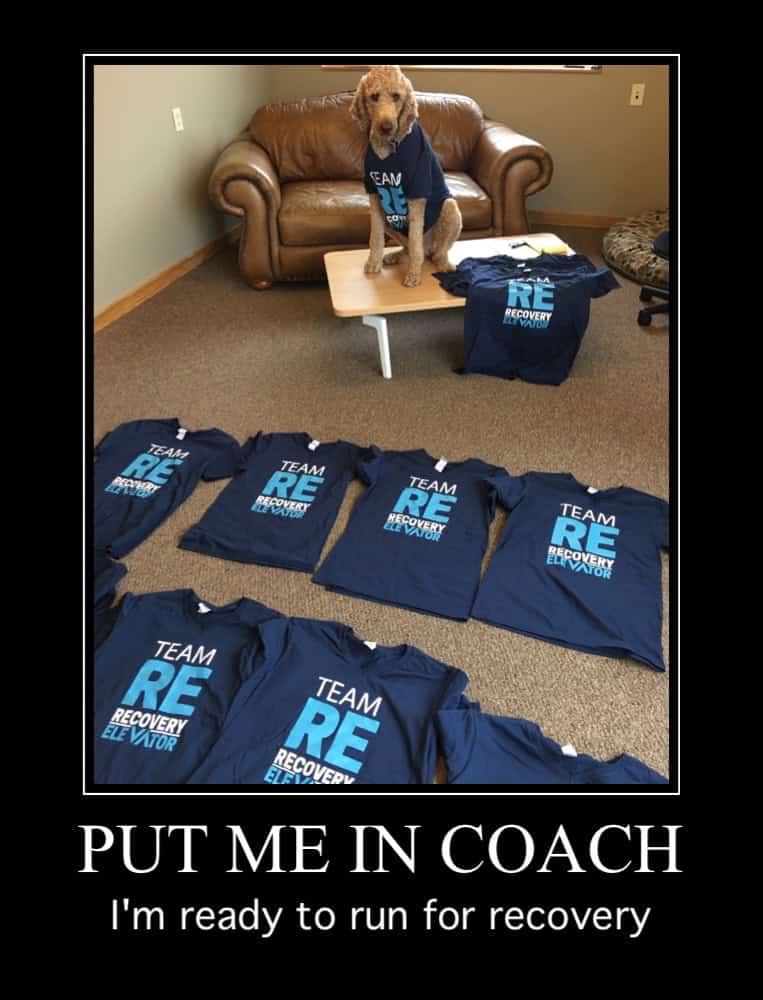
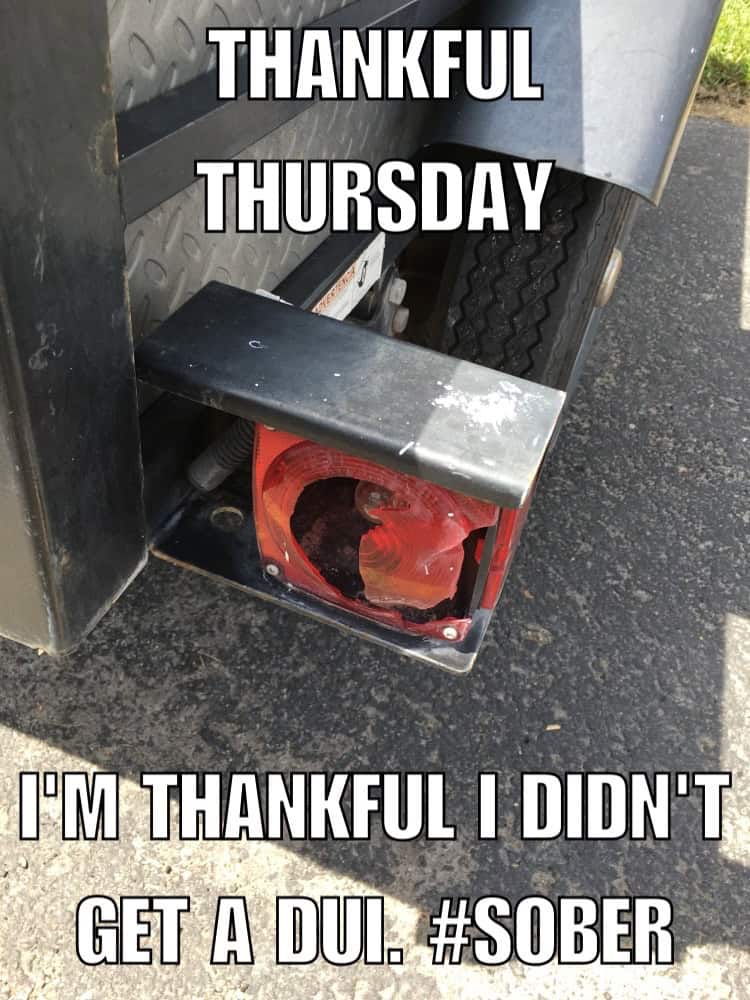
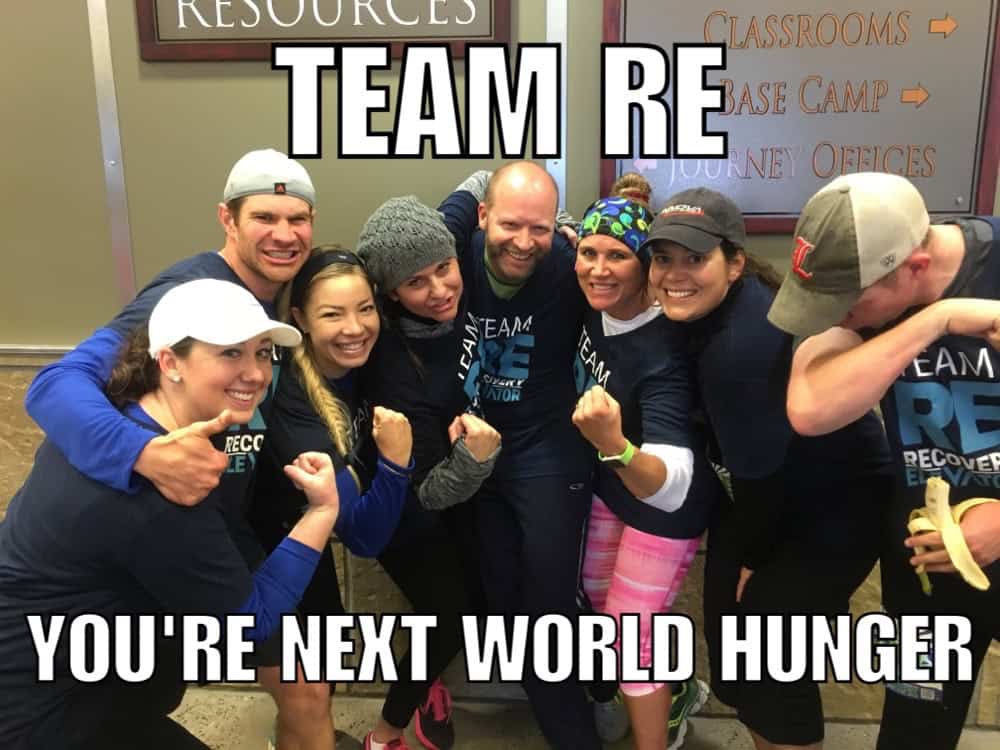
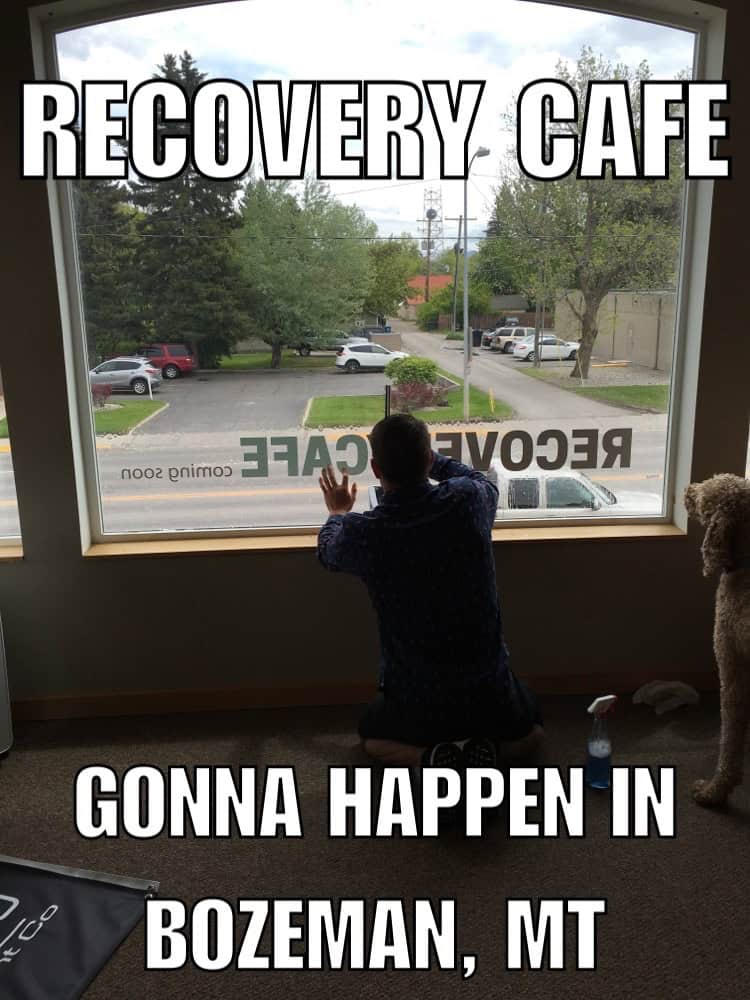


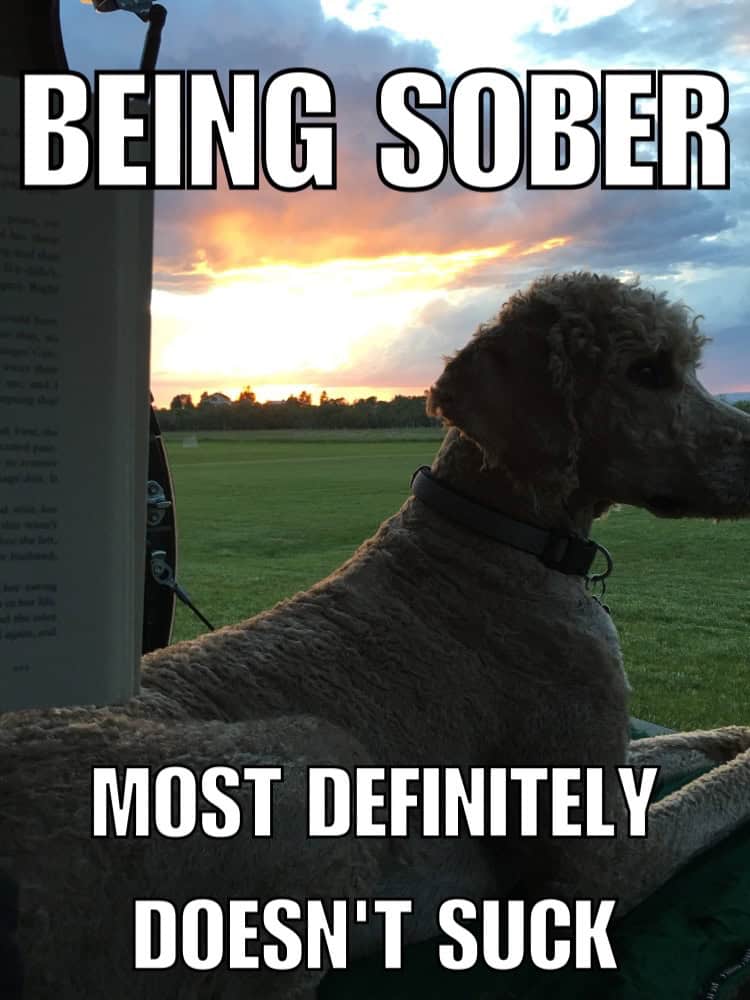

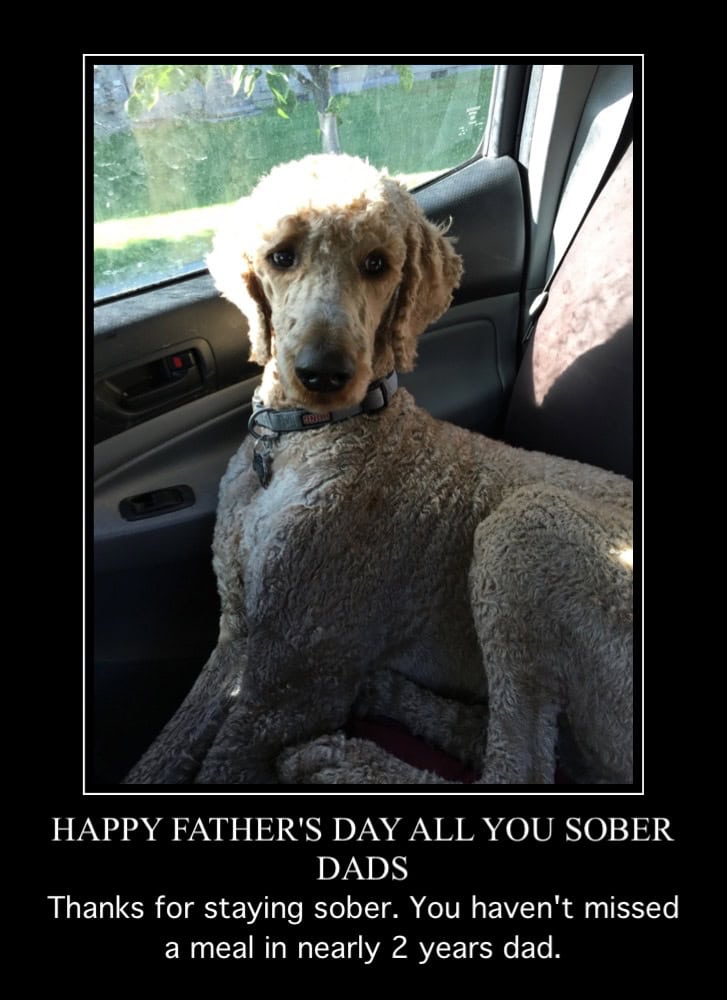
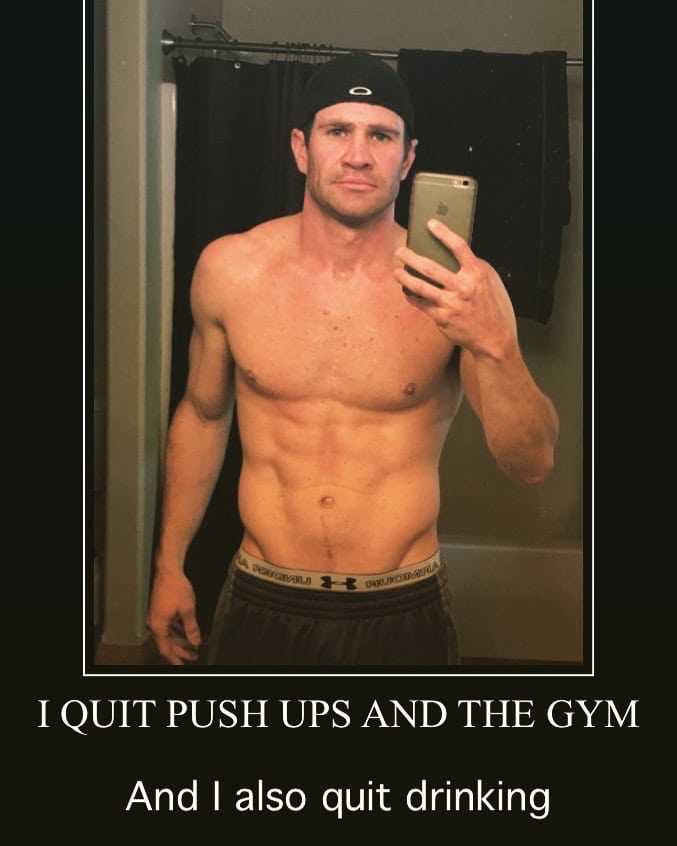
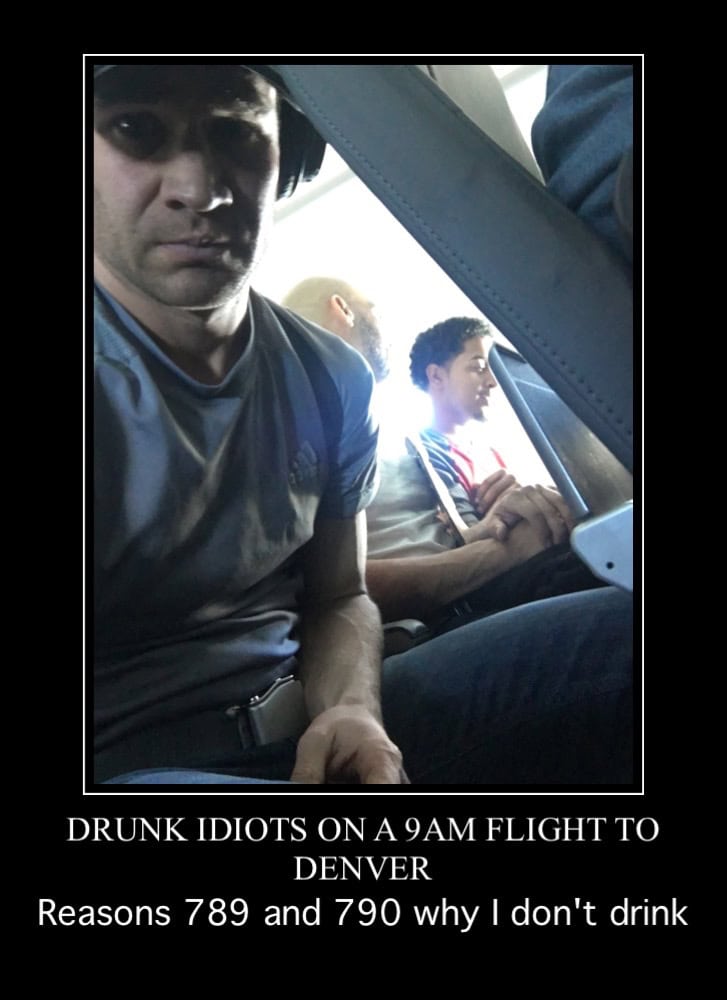





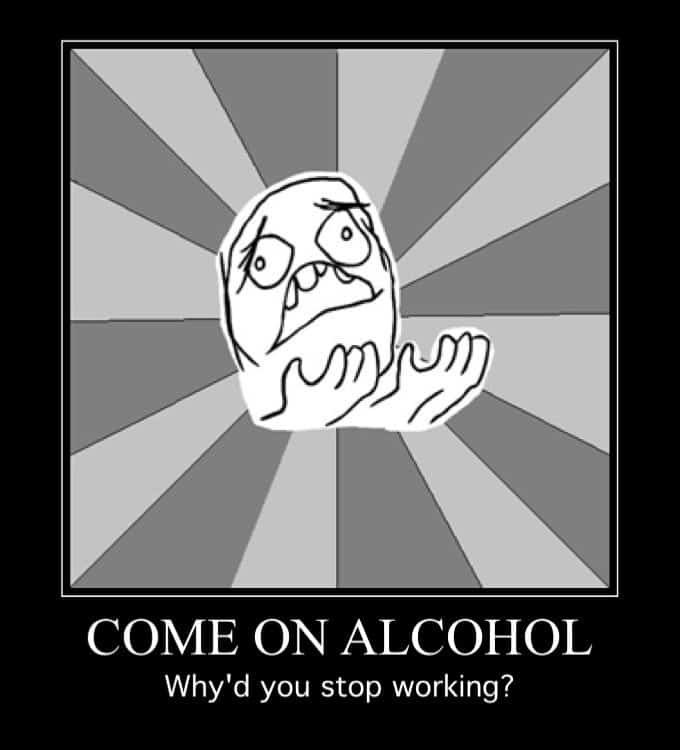

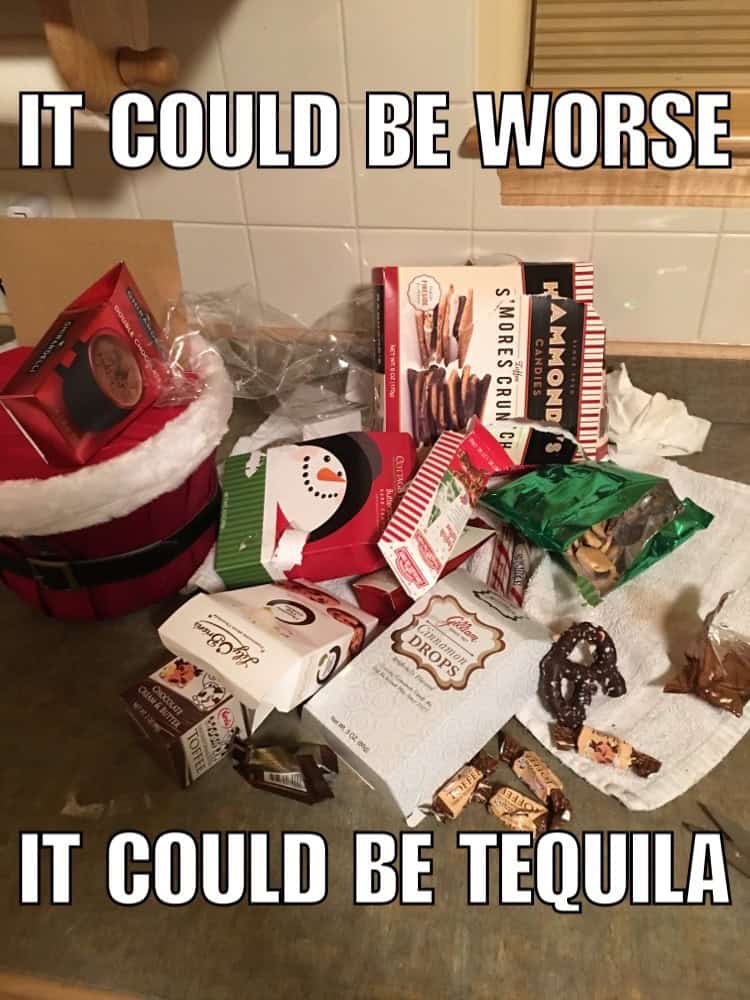
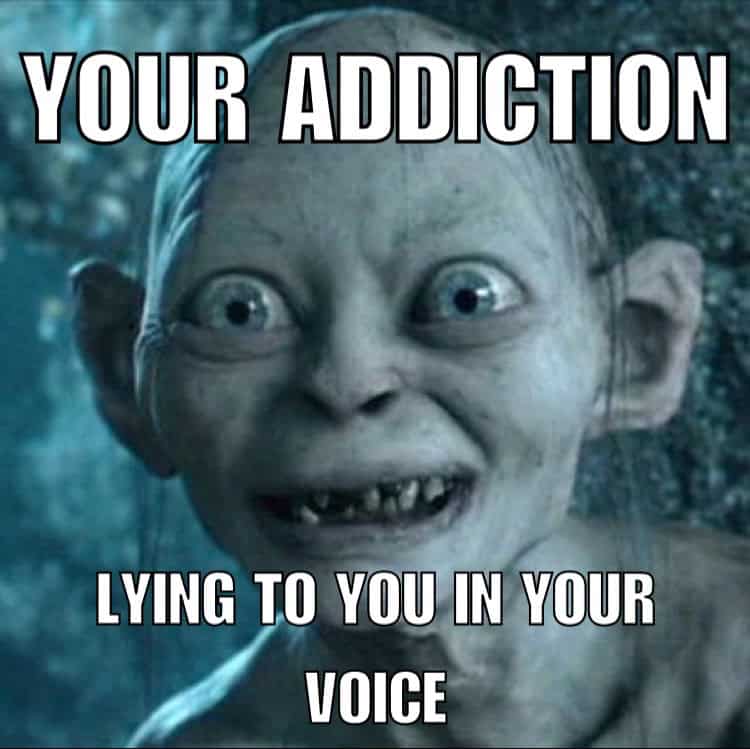
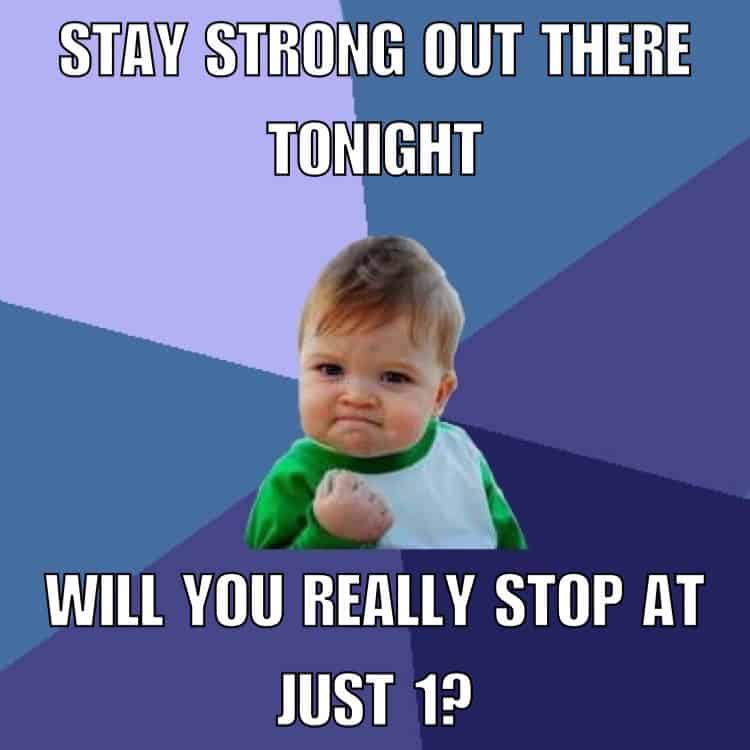
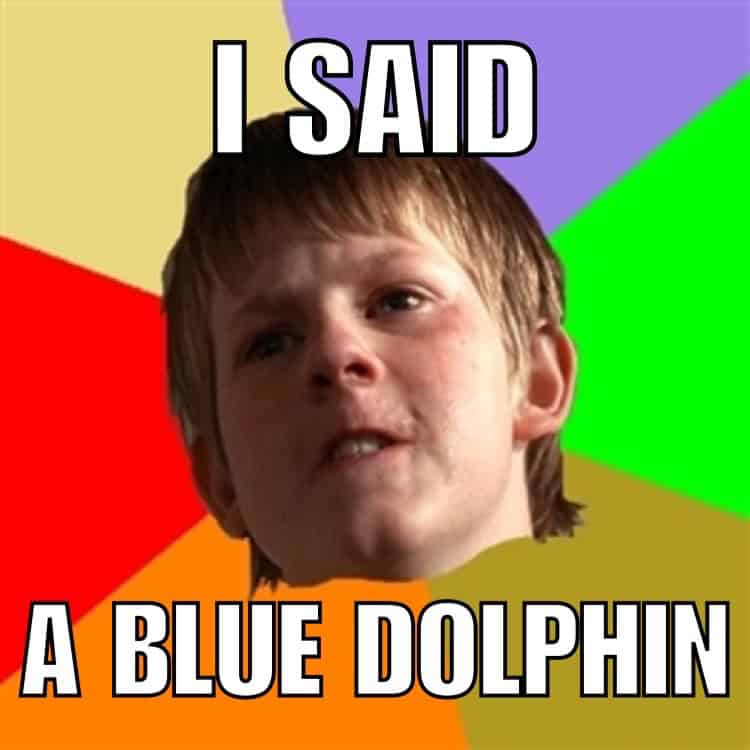
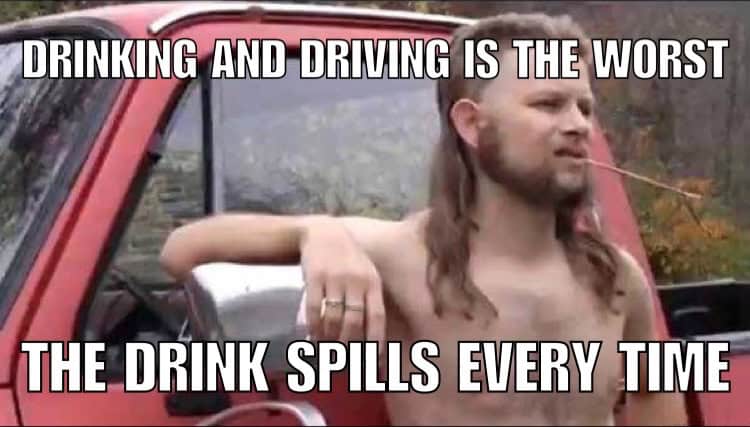
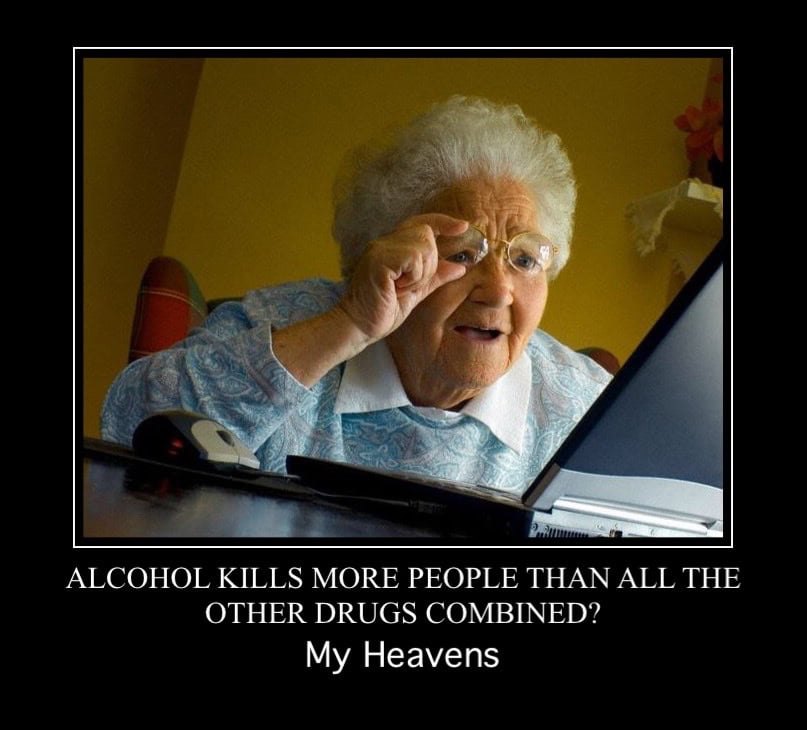
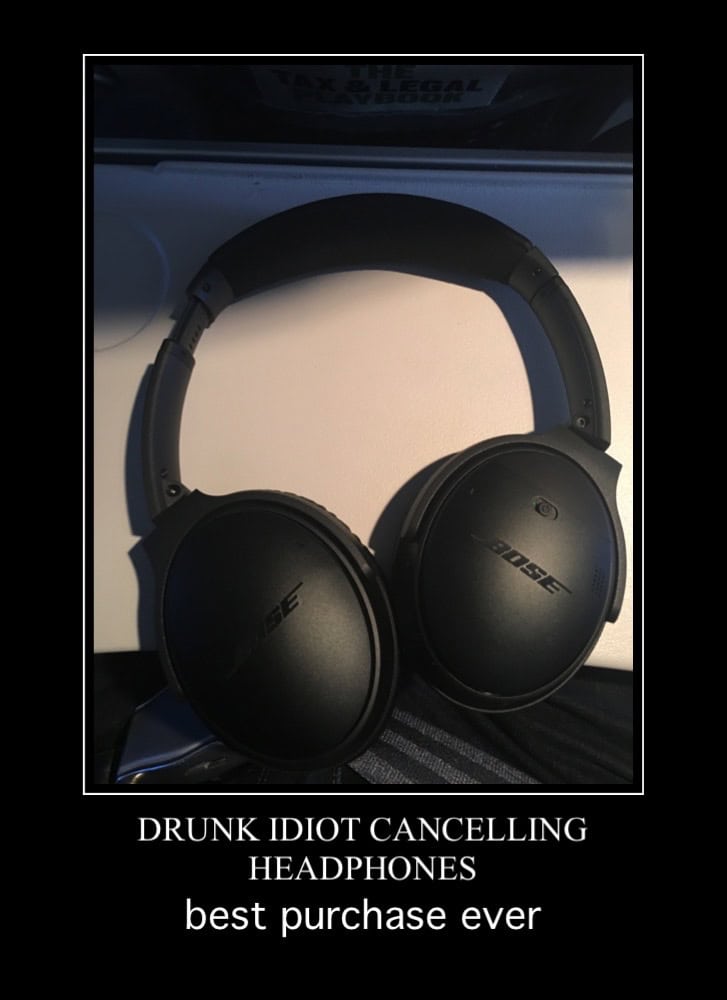
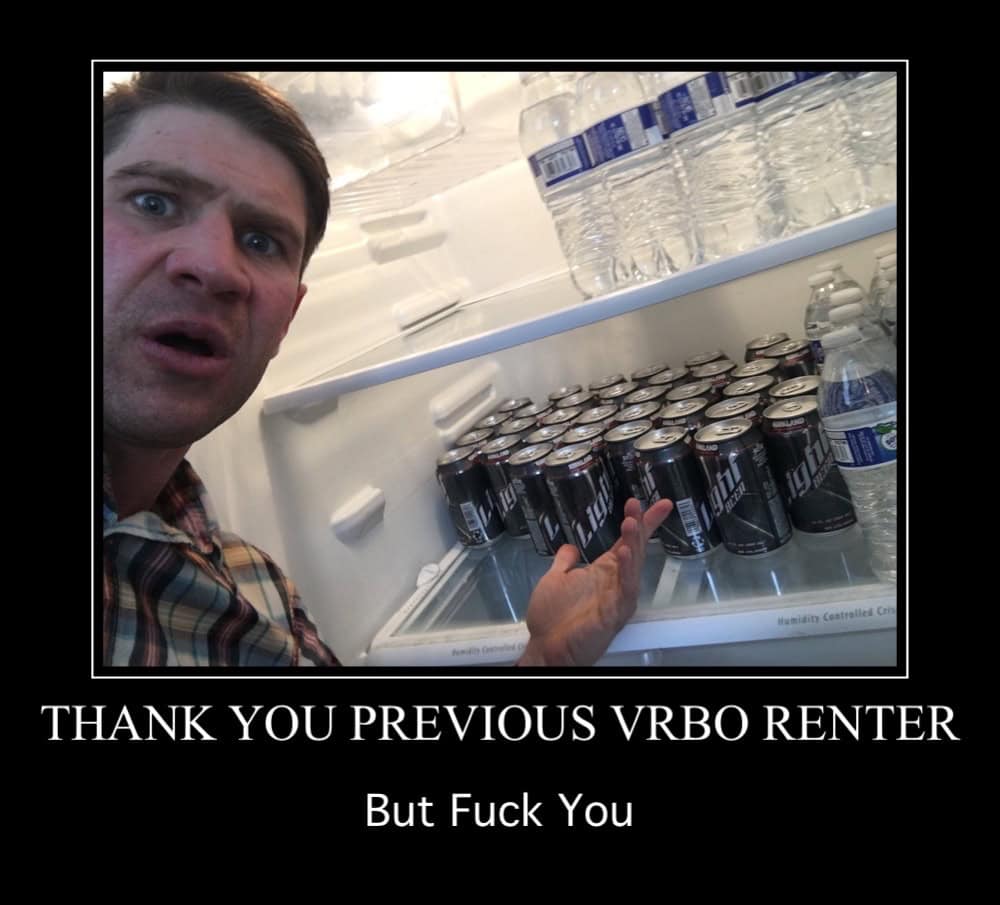
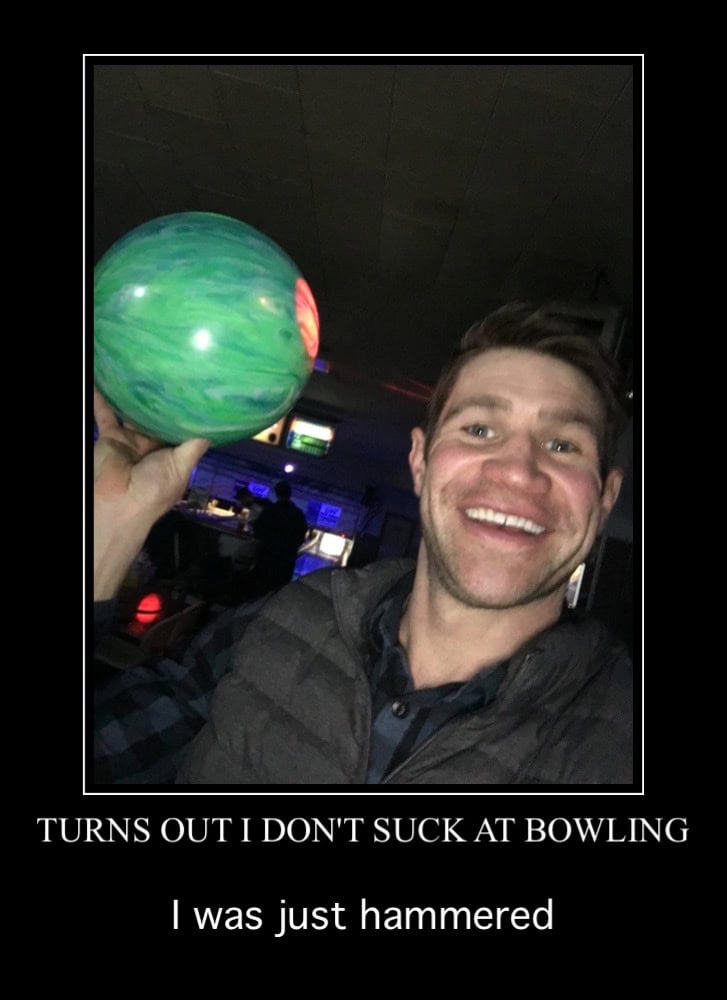
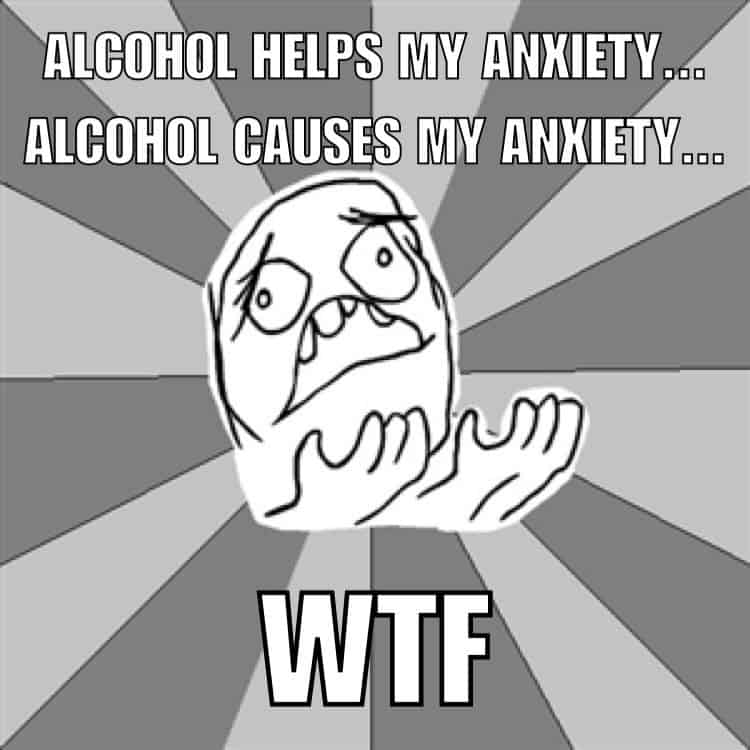
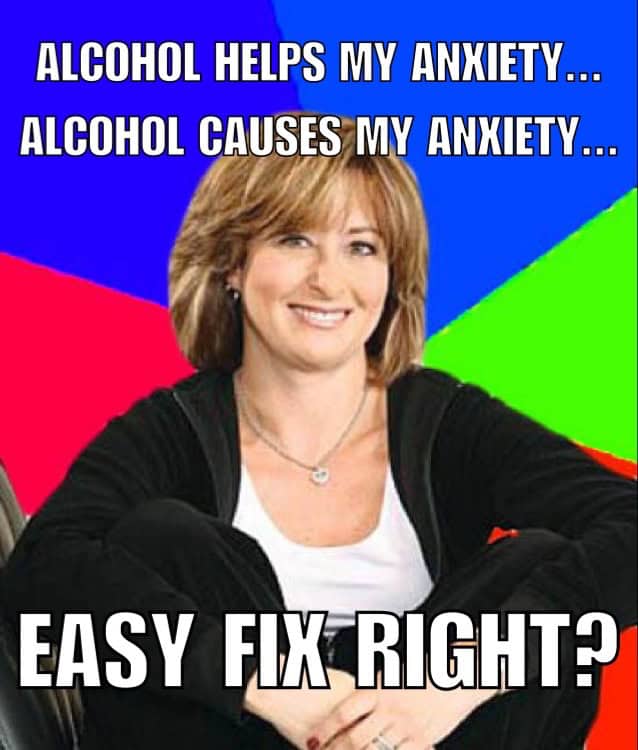
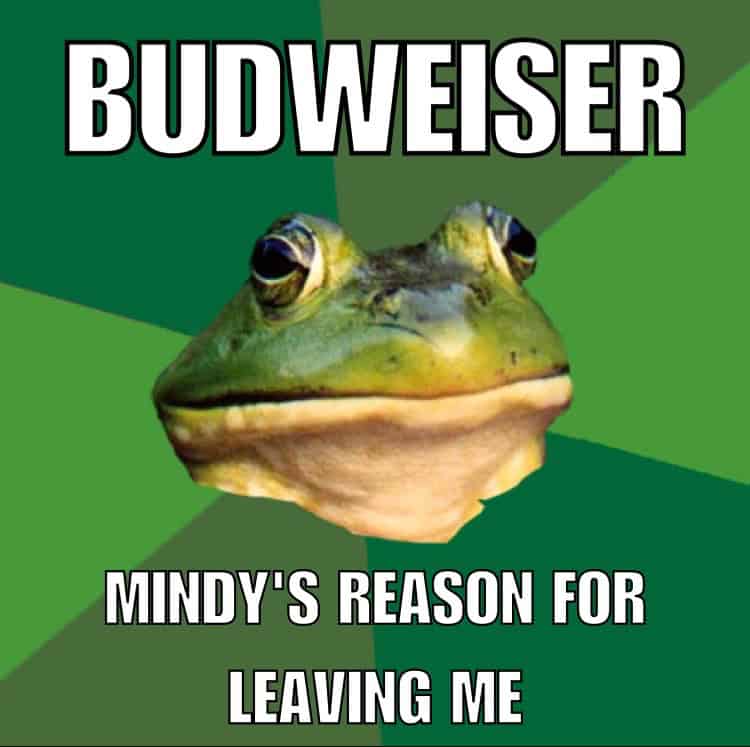
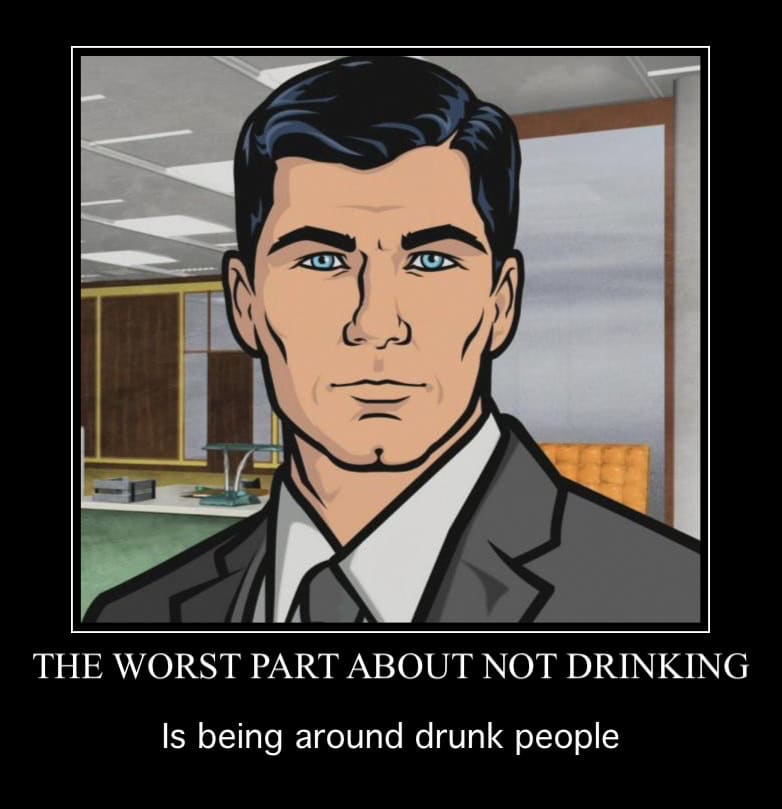
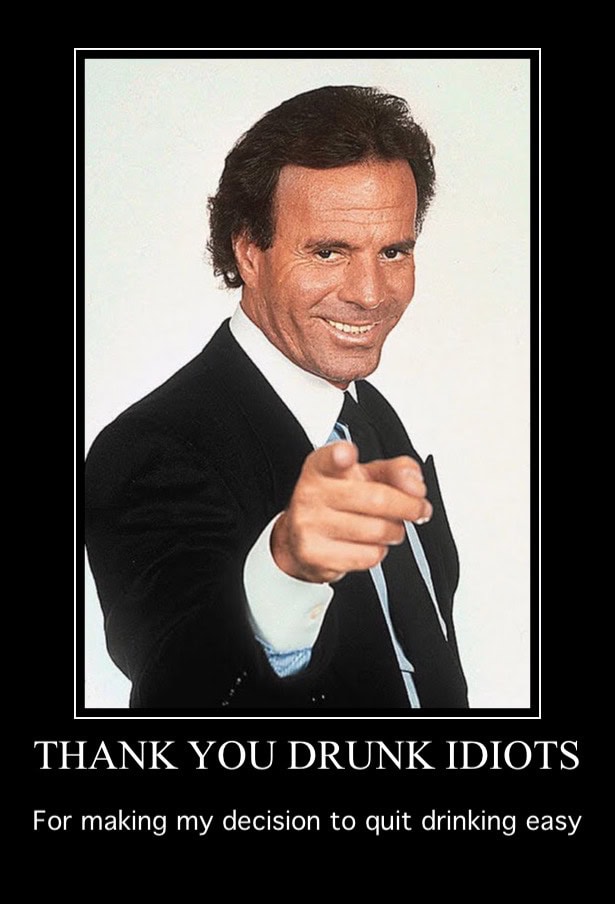
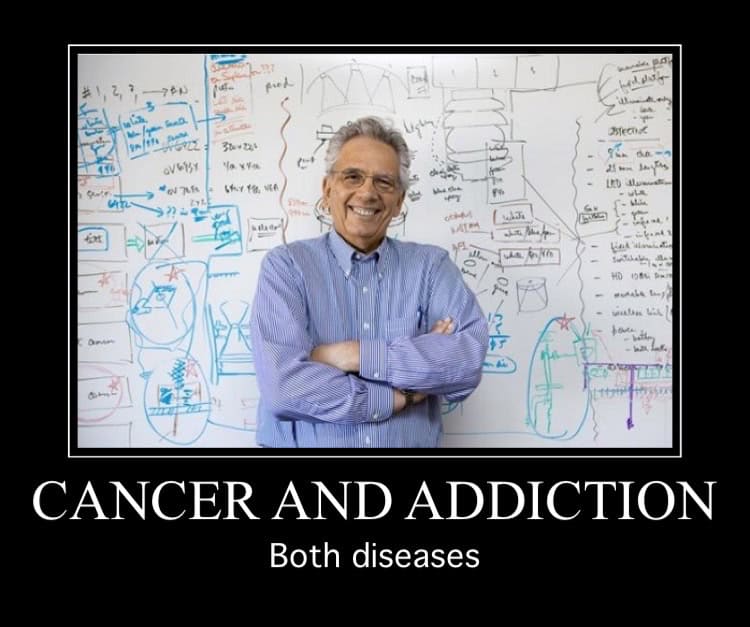
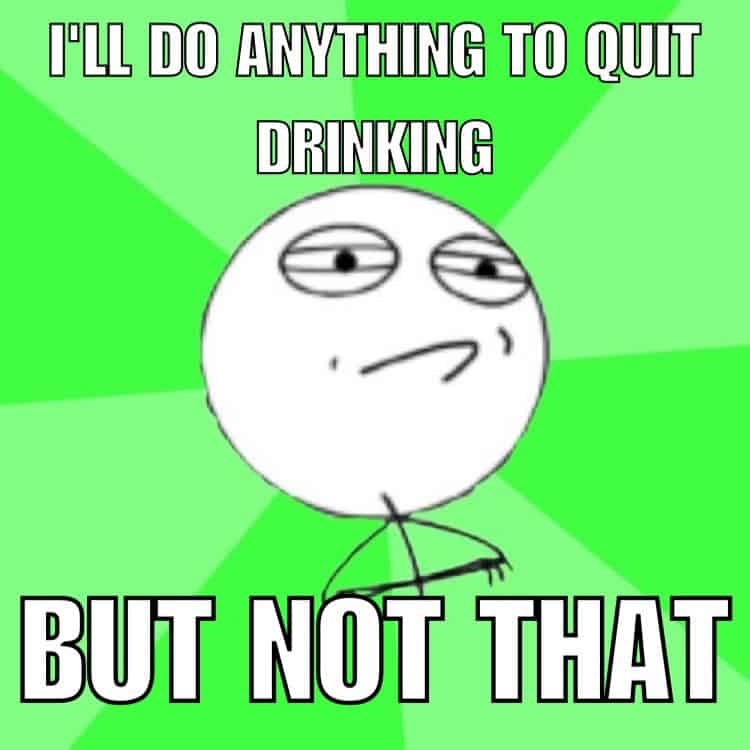
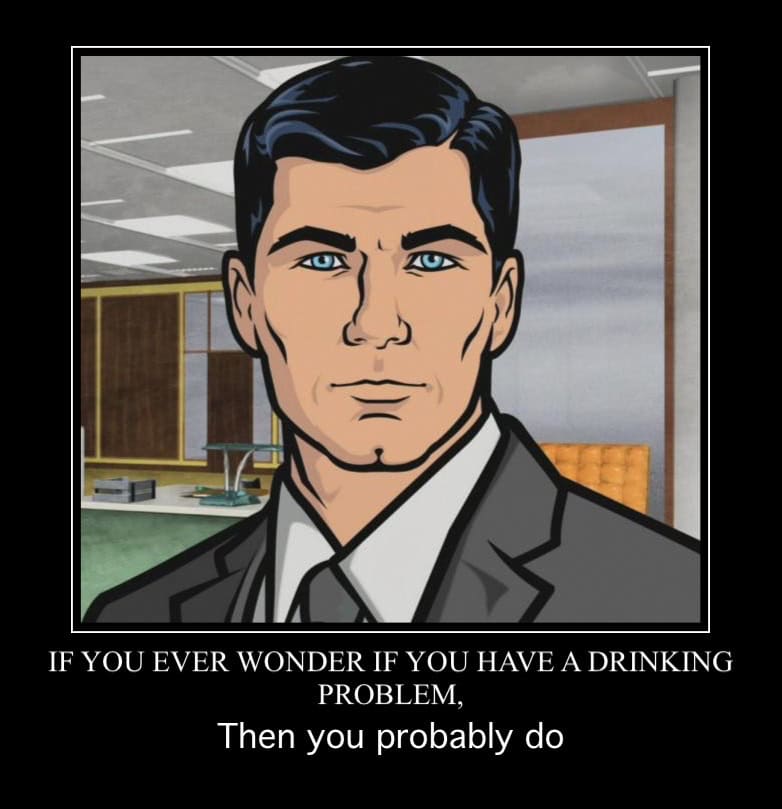
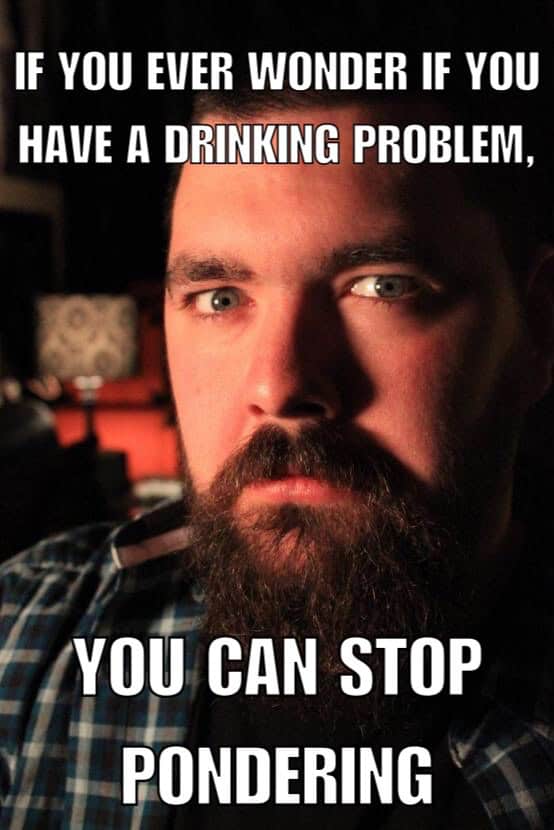
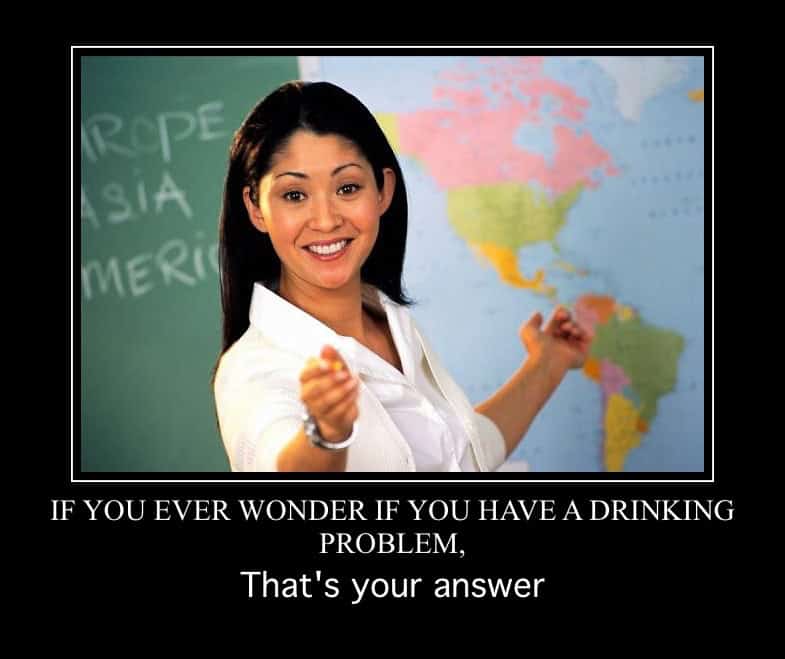

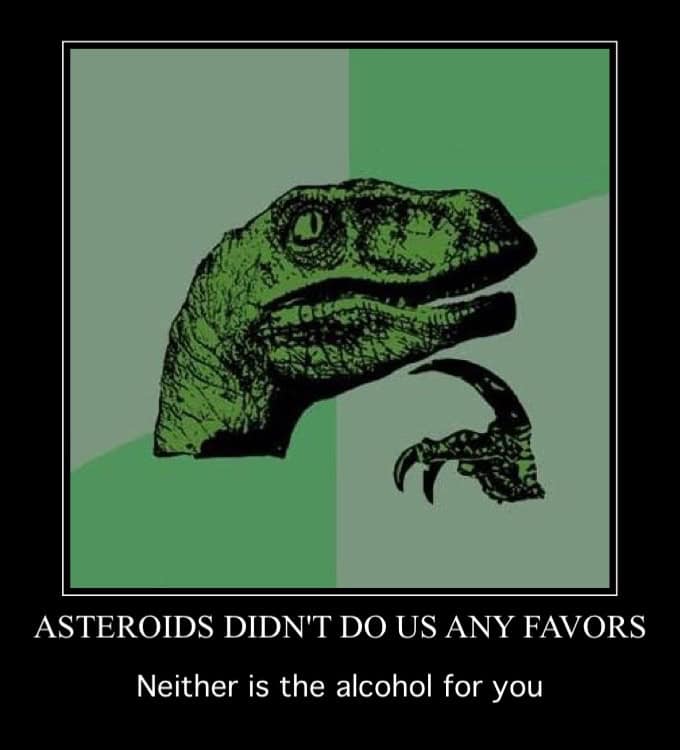
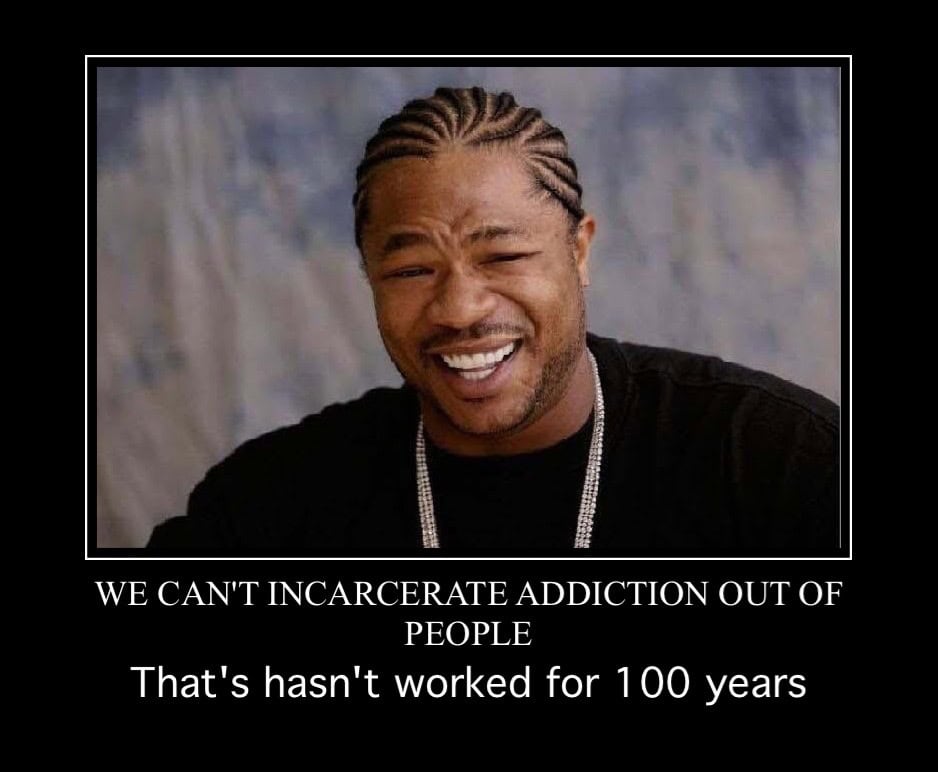
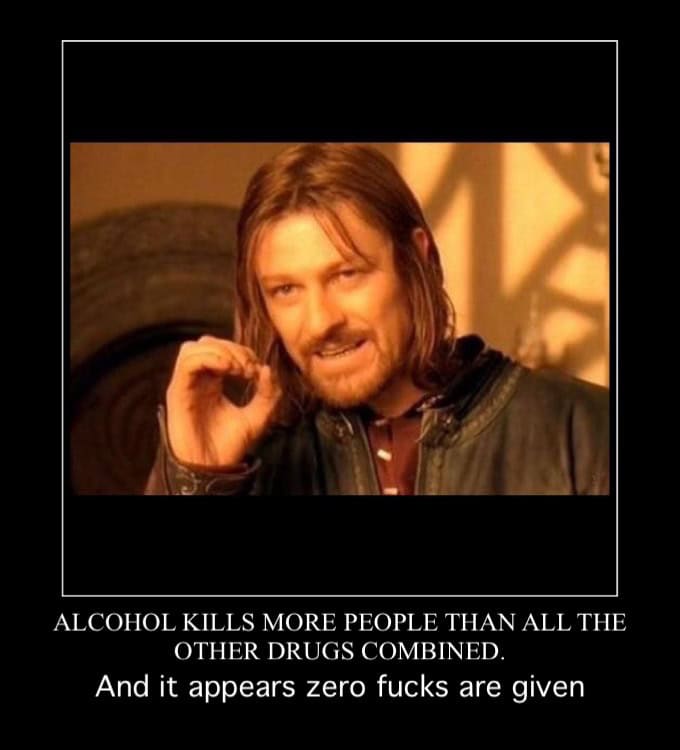
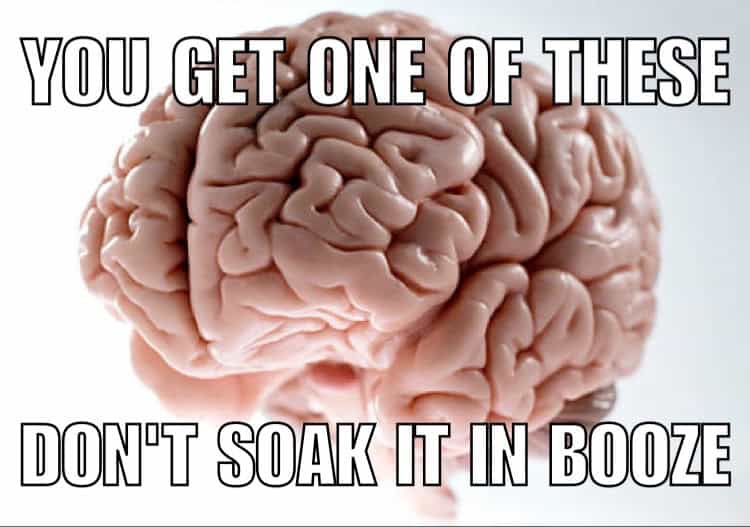

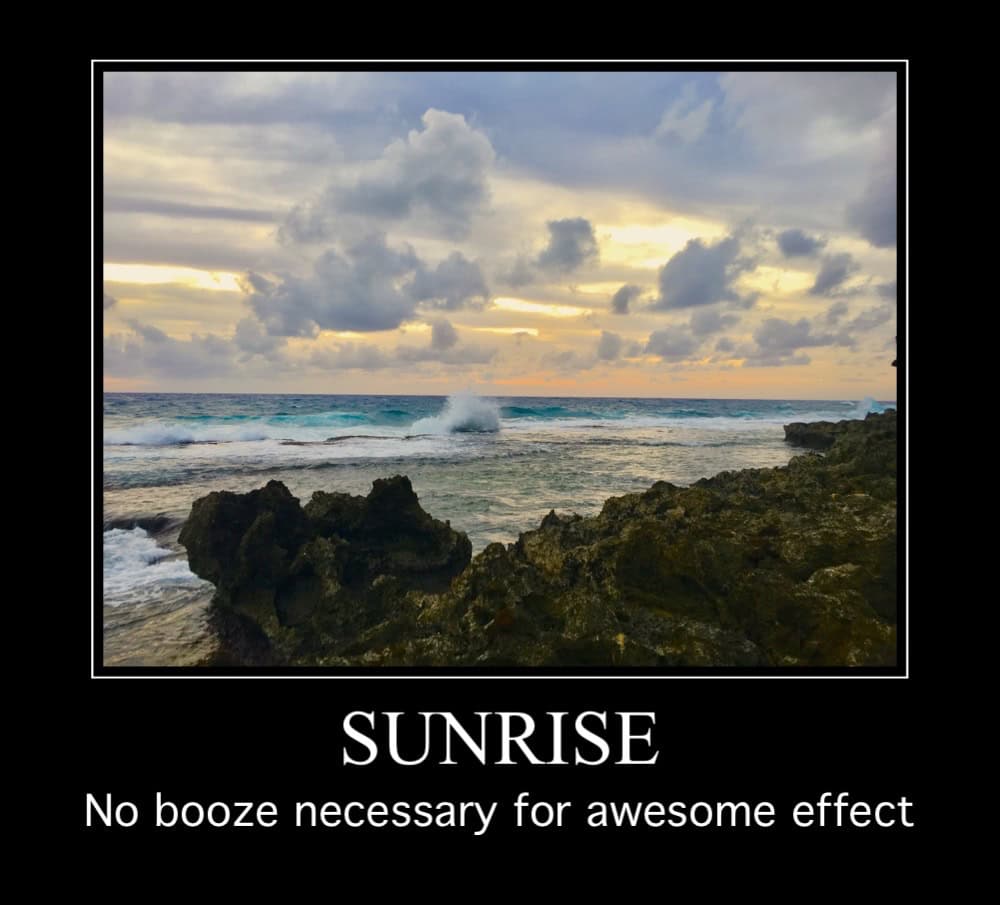
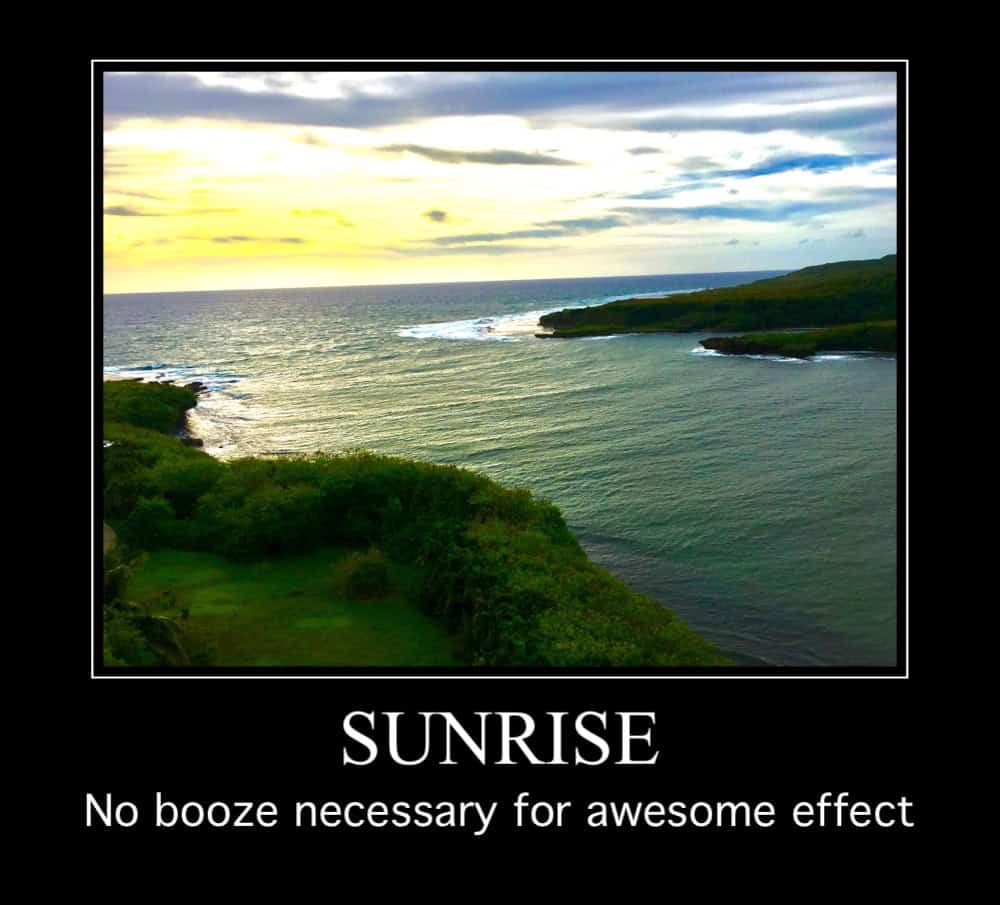
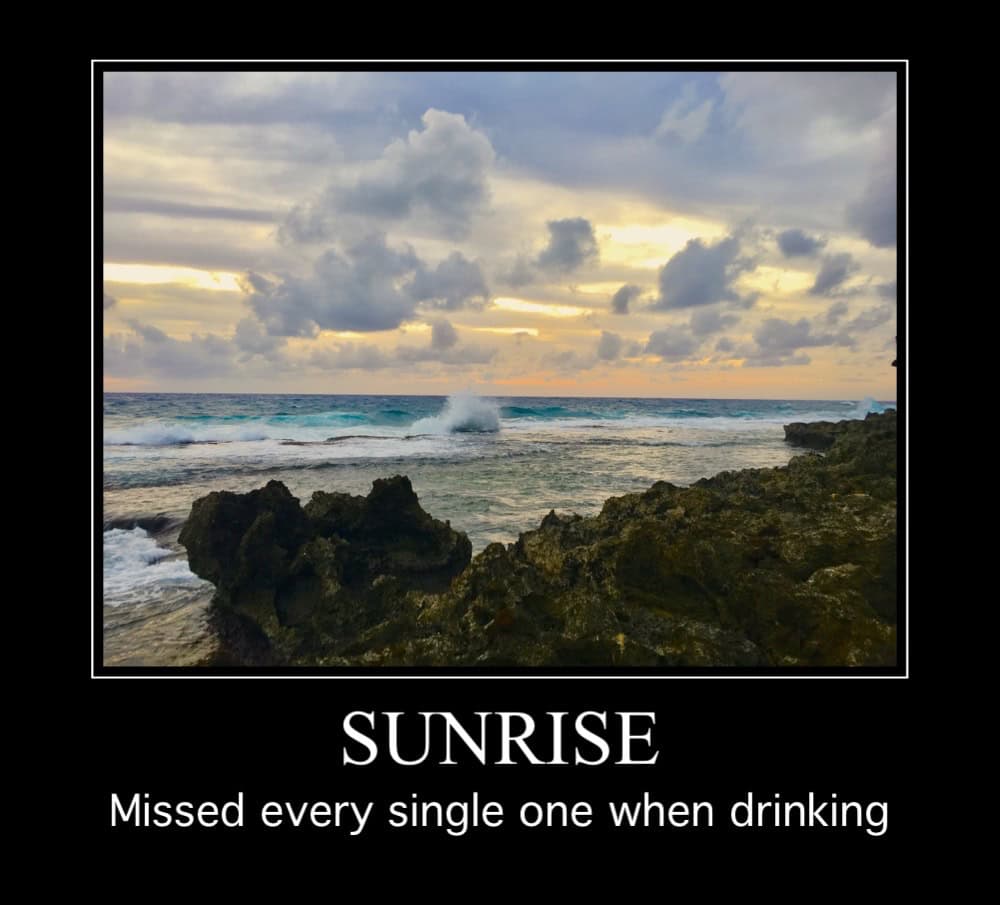
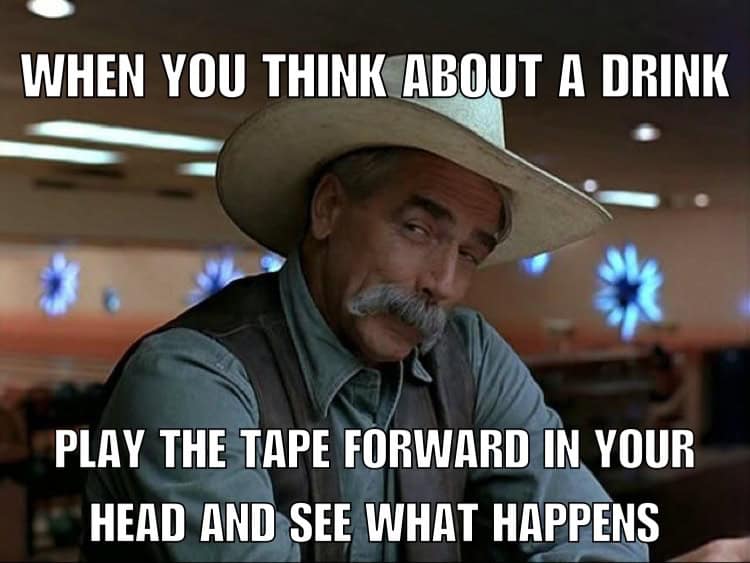

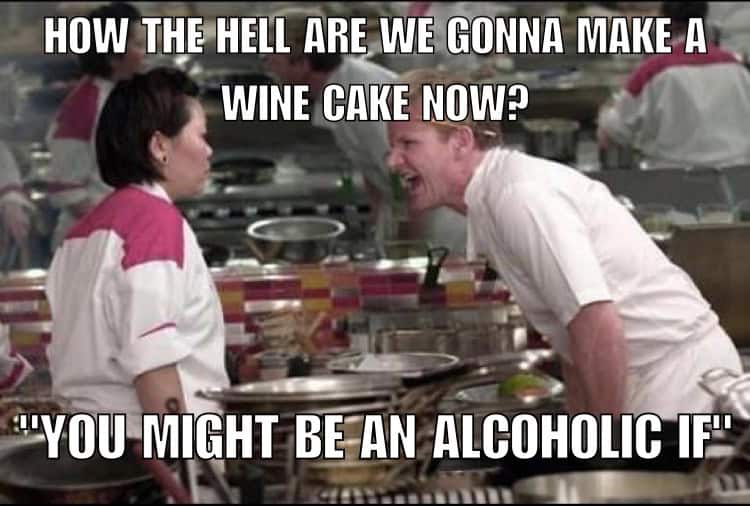

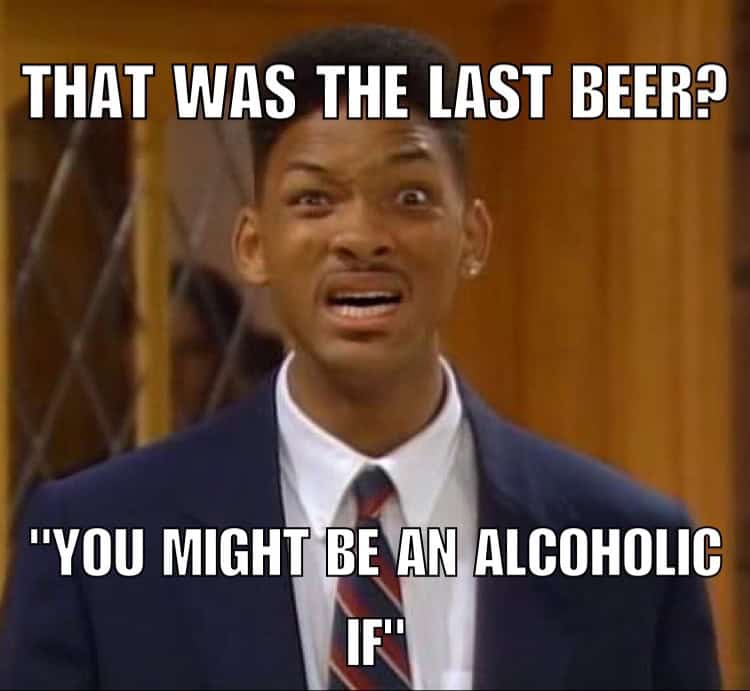
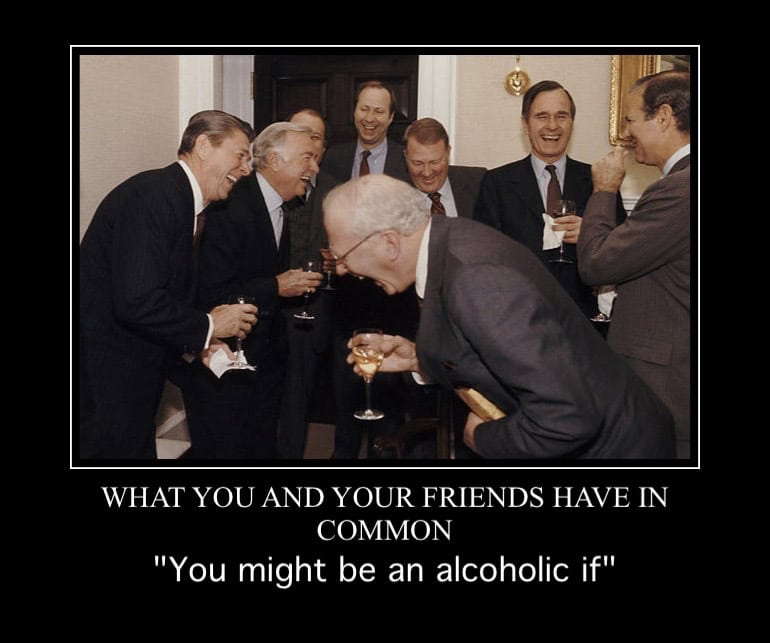
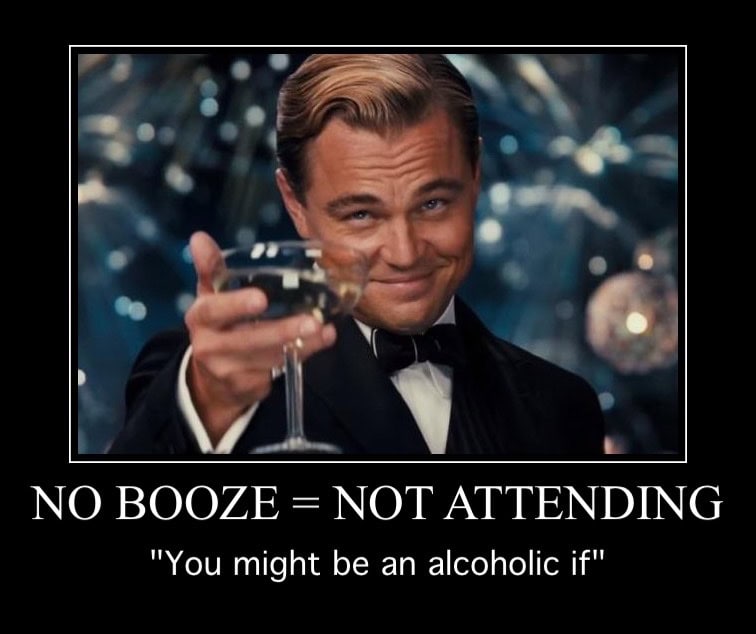
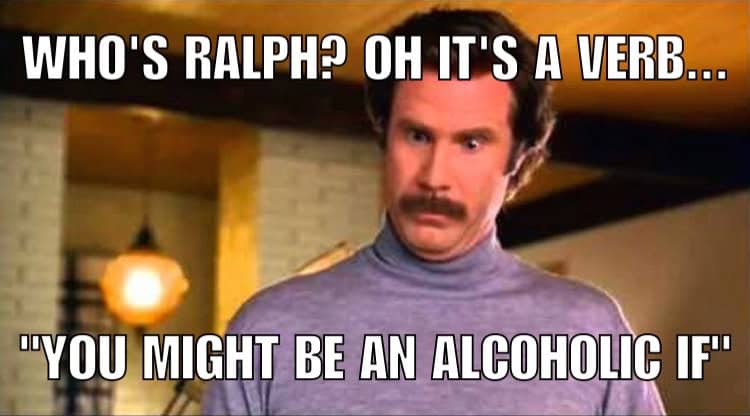
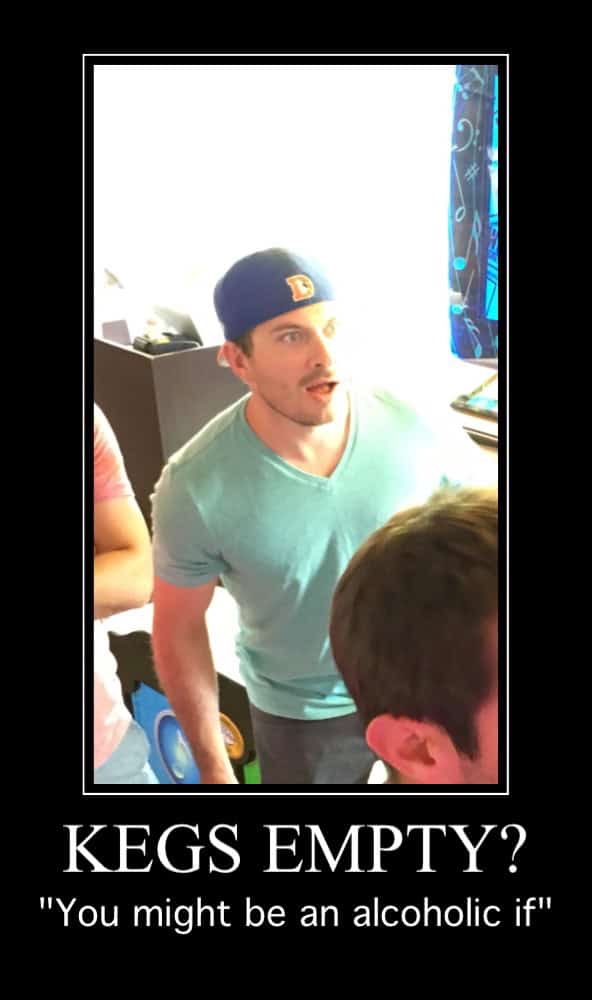

If you have any sober memes you’d like to add, send them to info@recoveryelevator.com. I found a free meme creator on the app store and I started creating memes. At first I thought it would be difficult creating sober recovery memes but once the creative juices starting flowing, I couldn’t keep up with my mind. Memes, although simple in nature, can be a powerful representation of how amazing sobriety can be. If you’re looking to get sober, I recommend downloading a meme app and creating some sober memes. They are a lot of fun to make.
Paul
by Paul Churchill | Nov 14, 2016 | Podcast
Podcast: Play in new window | Download
Subscribe to the Recovery Elevator Podcast Apple Podcasts | | More
Sasha has been sober for just over 5 years… This is her story…
Support the Recovery Elevator Podcast by shopping at Amazon with the Recovery Elevator link:
This episode was brought to you by Cafe RE!
SHOW NOTES
12 ways to help you stay sober through the holidays. Last year, in Episode 43, I introduced a long list of ways to stay sober, and now, it’s a year later. This holiday season, don’t beat yourself up! Maybe you only get 1 day, but shoot for all the days, and if you miss a day, get back on the wagon without beating yourself up… Be kind to yourself. The holidays are about giving, give yourself kindness.
12 Ways to Stay Sober Through the Holidays:
- Meditation – All of the following activities have a meditative and creative quality; guitar, piano, painting, woodwork, organizing, stuffing envelopes, whatever it is for you.
- Water – Hydrate! First thing I do in the morning is drink about 35 oz of lemon water.
- Give yourself a Hall Pass! I plan on eating 70% of the pumpkin pie at Thanksgiving Dinner this year
- Exercise for 10 min during the first hour of the day. I stretch, do band work, and pushups.
- Practice visualization. I practice saying no to drinks and practice making good decisions in my sobriety.
- Tell someone no and put yourself first, i.e. “I will not be driving your ass around on NYE.”
- Shovel snow or push dirt around. Think, “Service, service, service.”
- Talk to yourself.
- Start doing something small and then in two years tell me how much of a difference that has made in your life.
- Turtle and not the hare. I’m playing the long game.
- Connect with your Community daily – Café RE.
- Share!
[ 12:34 ] Paul introduces Sasha.
Sasha’s last drink was a couple days before Sept. 2nd, 2011…Sasha is from Washington D.C. She is 31 and has her own coaching business. For fun she likes to hangout at home in her pajamas, being a mega-introvert!
[ 14:38 ] Talk to us about your Elevator. When did you hit bottom?
September of 2011 was the culmination of a long summer of heavy partying. “I was sitting in my therapists office with my head in my hands trying to recap my summer which I couldn’t remember. My therapist handed me an AA flyer and slowly I started going to a weekly meeting.”
[ 17:01 ] How much did you drink? Talk to us about your drinking habits.
“I was an all or nothing binge drinker. I probably partied one night on, one night off. When I went out, I drank as much as I possibly could. As soon as I had 2 or 3 drinks there was a switch, there was no off button.”
[ 27:17 ] How did you do it? Walk us through the first day, the first week.
“I dropped into an AA meeting to listen. I heard stories of human suffering, pain and joy. It was like a humanities class. People were honest and really told the truth about how they were feeling.” Sasha talks about how isolating alcohol is and the antidote was really learning to connect and let her walls down. Sasha was going to one ‘speaker’ meeting a week. She got a sponsor after 10 mos.
[ 30:43 ] Sasha talks about her experience as a ‘dry drunk’.
[ 31:07 ] Tell us about your program.
“Principles of recovery flow throughout my day. I like to let things flow. I wake up with a prayer. I have daily readers (an app and a book) that set the tone for my day. I make several 12-step meetings a week and try to meditate for 10 mins. a day.” Sasha also does yoga. Yoga has been crucial to her recover journey, connecting mind, body and soul.
[ 40:02 ] Rapid Fire Round
- What was your worst memory from drinking? “The summer before my freshman year of high school. I drank 2 beers and passed out.”
- Did you ever have an “oh-shit” moment? “Chronic stress from acting so poorly.”
- What’s your plan moving forward? “Sit with my self. Sobriety is all about staying with myself.”
- What is your favorite resource in recover? “The Hazelden App. The books “The Language of Letting Go” and “Journey to the Heart,” both by Melody Beattie. Yoga and 12-step meetings.”
- What’s the best advice you’ve ever received (on sobriety)? “When in doubt sober is always a better choice. Sobriety never hurt anyone.”
“You Might be an Alcoholic If…”
“You spend an inordinate amount of time trying to convince yourself that you’re not an alcoholic.”
Resources mentioned in RE 91:
Support the Recovery Elevator Podcast by shopping at Amazon with the Recovery Elevator link:
www.recoveryelevator.com/amazon/
Connect with Cafe RE
- For $12.00 per month, you can have unlimited, private access to groups of like-minded people via in-person meet-ups, unsearchable Facebook groups, and travel.
- First month FREE with Promo Code: Elevator.
Connect with Sasha:
www.sashaptozzi.com
Hazelden App
The Language of Letting Go – by Melody Beattie
Journey to the Heart – by Melody Beattie
“We took the elevator down, we gotta take the stairs back up. WE can do this!”
Support the Recovery Elevator Podcast by shopping at Amazon with the Recovery Elevator link:
www.recoveryelevator.com/amazon/
This episode was brought to you by Cafe RE and get your daily AA email here!