by Kris Oyen | Sep 1, 2025 | Podcast
Podcast: Play in new window | Download
Subscribe to the Recovery Elevator Podcast Apple Podcasts | | More
Today we have Odette. She’s 37 years old, lives in San Diego, CA and she took her last drink 486 days ago.
This episode brought to you by:
Better Help – 10% off of your first month #sponsored
Exact Nature – 20% off your order with code RE20
Registration is open for our next retreat in Costa Rica. That’s February 21st – 28th, 2026 in Guanacaste, a Blue Zone. We are over halfway full, but we have seven spots left.
[03:09] Thoughts from Paul:
When 17 people send Paul an article in the span of 2-3 days, he knows it means something big just came out… and this one is big because it disarms one of the biggest reasons why it’s so hard to quit drinking: everyone else is drinking. Which is no longer true. Several publication released this article and here’s the link for the CBS article.
It says – only 54% of U.S. adults say they drink alcohol, a record low.
There is a growing belief that even moderate alcohol consumption is a health risk which is 100% correct. In 2015 28% of Americans though this but now in 2025, that percentage has almost doubled to 53%.
While mostly younger Americans are driving this trend, but older Americans are getting on board as well and the alcohol industry is tanking. Paul says that he can’t help but feel that we all have had a part in this. That we, including you, the listener, have saved lives by doing our part getting the proper messaging out about alcohol, and people are listening.
So, you’re not the only one who doesn’t drink. Paul doesn’t drink, Odette doesn’t drink and 46% of Americans don’t drink either.
[07:57] Paul introduces Odette:
In addition to being interviewed on episodes 128 and 231, Odette was the podcast host from episode 277 to 378.
Odette is from Guadalajara, Mexico but has been living in San Diego, CA with her husband, two kids and a variety of pets. She works in operations for a company called Chosen Foods. Around a year ago, she began teaching breathwork as well. For fun, she and her family enjoy being outside, especially at the beach.
Odette shares that addiction runs in her family, her father, who recently hit 16 years sober, went into rehab when Odette was 18. At the time she was struggling with an eating disorder and clinical depression. She never expected alcohol to be a problem for her.
Odette moved to the US with her husband after she graduated college. She kept her eating, and depression issues a secret for about a year after they got married but ended up going into treatment for it because she knew she needed to be healthy in order to have kids.
After having their first child, Odette says that she fell into the “mommy wine culture” pretty quickly. Playdates included toys for the kids and wine for the moms. Over time she began to look forward to drinking but there was always a knowing that this wasn’t her authentic self, she says. The drinking helped her feel like she fit in.
The drinking and her eating disorder didn’t play well together. She found the lines getting blurry and she wasn’t listening to her body as well as before. Since she didn’t drink much, she wasn’t sure she really had a problem, but it was all taking a toll mentally.
During the time Odette was hosting the RE podcast, her grandmother got sick. She lives far from her family and the uncertainty of the situation and pain of not being there was too much for her. Even with all of her tools, Odette found herself relapsing. She struggled with the shame of it and felt a little lost but leaning into the community and learning how to accept herself has been important to getting her footing back.
Odette says recovery isn’t about fixing yourself, it’s about accepting all of the things that you are. Breathwork has been helpful for Odette to learn how to get back in touch with her body and be present.
The Harmony House
Odette Cressler
Recovery Elevator
You took the elevator down, you gotta take the stairs back up.
I love you guys.
RE on Instagram
Recovery Elevator YouTube
Sobriety Tracker iTunes
Café RE
by Kris Oyen | Jul 22, 2024 | Podcast
Podcast: Play in new window | Download
Subscribe to the Recovery Elevator Podcast Apple Podcasts | | More
Episode 492 – Alcohol Isn’t the Problem
Today we have Kristi. She is 50 years old and lives in Rome, GA. She took her last drink on December 11th, 2023.
We just opened a few more spots for our upcoming retreat this August 14th through 18th in beautiful Bozeman, MT.
Sponsors for this episode:
Visit Better Help today to get 10% off your first month
Exact Nature use promo code RE20 to receive 20% of your order
[02:19] Thoughts from Paul:
We think this is all about alcohol, but it’s not. There are different support groups for many various addictions, and the one thing that they have in common is whatever comes before the word “Anonymous” is not the problem.
Page 64 in the Alcoholics Anonymous Big Book states that the liquor was but a symptom. The booze isn’t the problem. There are deeper causes and conditions that are manifesting themselves in a drinking problem, gambling problem, shopping problem, etc.
For many of us, alcohol isn’t the problem. It is but a symptom of what went down in our infant and toddler years. Childhood trauma (which can be both what happened to us and what didn’t happen for us) can leave us with holes that we end up doing anything to fill. Many of those interviewed on this podcast explain that the first drink made them feel whole again.
We drink to change the way we feel and to cover up uncomfortable emotions. Alcohol is being used to cover up deeper issues. This may or may not be what you wanted to hear today, but it’s important to keep this podcast real.
TRIGGER WARNING:
The upcoming interview references self-harm.
[10:54] Kris introduces Kristi:
Kristi is 50 years old and is a hairstylist in Northwest Georgia. She has a 33 year old daughter with special needs, a partner and three dogs. For fun she enjoys reading, cooking and looks forward to getting back to kayaking.
Kristi says she had a good childhood. Her parents divorced when she was young, and they both remarried when she was around seven. Growing up, Kristi felt like she was on the fringe of being part of the “in” crowd so would do what everyone else was doing to fit in.
Kristi had her first drink when she was around 14 years old. At age 16, she got pregnant and dropped out of school. After she had her daughter, she started experimenting a lot and found herself in and out of destructive relationships.
Around the age of 27, Kristi found herself addicted to opiates. During this time her father, who struggled with mental illness, committed suicide. This sent her on a downward spiral. About a year later she found a place that helped her quit the opiates. She was there for 8 months and when she returned, she drank because she knew that pills were her issue, not alcohol.
Kristi says she was a binge drinker. Alcohol was a way for her to mask the pain of the loss of her father as well as the struggles she had raising a special needs child.
As a hairdresser when COVID happened, she says she went downhill quickly. There was no work and being homebound found her day drinking and over time it started earlier in the day. The day drinking continued after returning to work and she had a few events that led her to seek treatment. It was an up and down experience for her after the first detox, but Kristi never gave up and neither did her family and friends.
After six months of sobriety, Kristi says it feels different this time. She has been leaning into Café RE and reaching out to some other friends to expand her connections. She found this and mediation to be most helpful to her.
Recently Kristi started going to college with the goal of being a counselor. She wants to use what she has been through to help others.
Kristi’s favorite resources in recovery: Cafe RE and podcasts.
Kristi’s parting piece of guidance: just do it. Life is so much clearer. There are so many things on the edge of your fingertips if you just put down the bottle.
Recovery Elevator
Go big, because eventually we all go home.
I love you guys.
RE on Instagram
RE merch
Recovery Elevator YouTube
Sobriety Tracker iTunes
by Kris Oyen | Jul 1, 2024 | Podcast
Podcast: Play in new window | Download
Subscribe to the Recovery Elevator Podcast Apple Podcasts | | More
Episode 489 – The Best Parts of an Alcohol-Free Life
Today we have Chris. He is 56 years old and lives in Beacon, NY and took his last drink on April 18th, 2024.
Registration for our next Alcohol-Free travel trip to Vietnam opens TODAY! This upcoming January 9th-20th, 2025, we’re heading to this incredible Southeast Asia paradise for 10 days and 11 nights with 25 travelers who are done nursing hangovers.
Welcome to our new listeners! We are glad to have you with us. You are in the right place. There is a whole new authentic life awaiting you, which isn’t far away.
Congratulations to Paul and his wife on the birth of their new baby boy!
Better Help: www.betterhelp.com/elevator – 10% off your first month. #sponsored
[04:10] Thoughts from Paul:
A few weeks ago, Paul asked our Instagram followers what is the best part of being sober or living an alcohol free life. He shares with us some of the responses he received.
The four biggest commonalities he saw were:
- More authenticity
- Less shame and regret
- More energy
- More clarity
Think of the sobriety quote “you’re giving up one thing for everything”.
Sober Link
[11:16] Paul introduces Chris:
Chris says he is 56 years old and grew up in northern New Jersey, close to NYC. Cooking is his passion, and he has worked in the food and beverage industry all of his life, currently in a director role. Chris also enjoys the outdoors and currently lives in the Hudson Valley.
Beyond the occasional night of overindulgence, Chris says his drinking was normal. He was around alcohol a lot in the industry he works in. After getting married, he and his wife enjoyed entertaining in addition to traveling to wineries and distilleries and building a collection. Over time Chris began drinking more than just wine with dinner, had booze all over the house and was drinking earlier in the day and more often.
After he and his wife got divorced, Chris found himself drinking more heavily and was less discriminate of what he was drinking as long as he was getting his fix, as he calls it.
He was breaking commitments and becoming less functional in his day-to-day life.
Chris didn’t drink heavily around other people but told his family in 2018 that he needed help. He went into treatment and was able to gain 14 months. He was part of a sober community called Ben’s Friends geared towards those in the service industry. Chris was able to gain some sobriety time but had a series of stops and starts with several more visits to rehab as well.
Currently at 34 days, Chris is working on rebuilding his life. He knows time will heal his relationships with family, and he is attending IOP for accountability. He is spending a lot of time outdoors and is grateful that the weather has been nice. He attends AA meetings, Café RE chats, and participates in meetings with Ben’s Friends. Missing meetings is a non-negotiable for Chris and he also makes sure to nurture himself physically and spiritually.
Chris’ best sober moment: being present with his partner while on vacation.
Chris’ parting piece of guidance: stay connected.
Café RE – promo code OPPORTUNITY waives set up fee.
RE merch
Recovery Elevator YouTube
Sobriety Tracker iTunes
Recovery Elevator
We took the elevator down. We gotta take the stairs back up.
You can do this.
by Kris Oyen | Jun 3, 2024 | Podcast
Podcast: Play in new window | Download
Subscribe to the Recovery Elevator Podcast Apple Podcasts | | More
Episode 485 – The Social Cost of Alcohol
Today we have Jennifer. She is 41 from Hamilton, OT Canada and took her last drink on January 18th, 2024.
Recovery Elevator is going to Vietnam January 9th-20th, 2025. Registration for our newest alcohol-free travel trip opens July 1st.
Better Help: www.betterhelp.com/elevator – 10% off your first month. #sponsored
[02:09] Thoughts from Paul:
Paul shares some information from an article he saw on the Instagram page recoveryroadmap.me. It discusses how in Canada, despite bringing in $13 billion in tax revenue, the net social costs in 2020 was $19 billion. And it is even worse in the US.
The bright side of all of this is that we are becoming aware of this major deficit, and change is taking place. The demand for alcohol is lowering as people are becoming more aware that alcohol is not good for you. Two years ago, The Huberman Lab did a podcast called What Alcohol Does to Your Body and he debunked the myth that alcohol is good for you.
Paul also shares that thanks to an initiative called Sounds Right, musicians who use natural sounds can list “Nature” as a featured artist and royalties from the tracks will go toward environmental causes.
Exact Nature: https://exactnature.com/RE20
[08:33] Paul introduces Jennifer:
Jennifer is married and they have a daughter and a standard poodle. She works for the family business and for fun she plays paintball, tennis and volleyball – anything active with friends.
Jennifer says that as the “good girl” growing up, she always wanted to be bad and says that drinking fit in with that. During the week she was excelling in school, but on the weekends, she went to raves with friends and started smoking weed. She enjoyed the duality of her life and the same pattern continued at university.
While in her first year of college, her father bought back his company with a ten-year plan of Jennifer becoming the CEO. The stress and responsibility of this and her parents divorce a few years later all found her drinking escalating. Some of her friends told Jennifer’s mom about her drinking and staged a small intervention to which Jennifer was not receptive. She assured everyone she was ok, but then just began to isolate when she drank.
After the plan found her becoming the CEO, her drinking went from nights and weekends to drinking all day just to cope. She recognized that this was a problem but was scared to mention it to anyone. This is when she first joined Café RE, started listening to podcasts and trying to learn more about the disease. Jennifer tried a lot of moderation methods but was never successful until she got pregnant with her daughter at 35. She was able to quit drinking while pregnant and a few months after having the baby.
After returning to work, Jennifer says her drinking started right where she left off. She says she was beginning to have disturbing thoughts and finally concluded that she needed help. Not being able to come up with a good way to quit without anyone knowing, she decided to confide in her cousin who she knew would understand.
In January of 2024 at a dinner with her cousin, mom and husband, Jennifer was able to burn the ships, and everyone was very supportive. Upon going to treatment shortly after, Jennifer says she took her recovery very seriously and wanted to make it worth her time.
Journaling and practicing mindfulness are big parts of Jennifer’s recovery, she takes time to be present with her daughter and her life, attends meetings and counseling regularly and says stacking habits are important to her growth. Nurturing the sober version of herself has been great for her. Jennifer can see a future now
Jennifer’s best sober moment: Walking my daughter to school and being present.
Jennnifer’s parting piece of guidance: Don’t be afraid to ask for help.
Café RE – promo code OPPORTUNITY waives set up fee.
RE merch
Instagram
Recovery Elevator YouTube
Sobriety Tracker iTunes
Recovery Elevator
It all starts from the inside out.
I love you guys.
by RE Helper | Feb 15, 2024 | Alcohol Free, Blog, Early Sobriety, Resources, Womens health
Today’s blog entry is from Alisa. Alisa has been a member of Café RE since July 2023. She recently took part in our Recovery Elevator REstore 2024 course. She is an active and supportive member of her Café RE GO group!
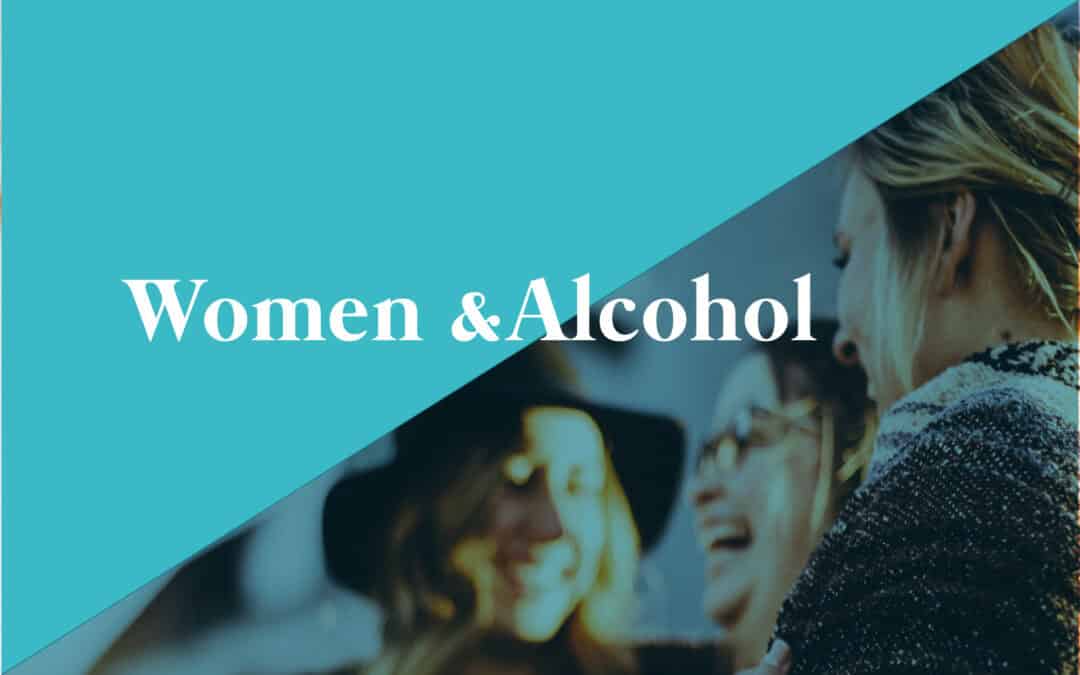
Women and Alcohol
By: Alisa (Café RE GO)
I’d heard the anecdote that women had started to surpass men with their drinking habits. Then in 2023, the WHO announced that no amount of alcohol was safe for consumption. This was all lining up with what Holly Whitaker said in her book Quit Like A Woman. So I sought to dig into this and better understand what was behind these trends in women’s drinking.
The history of women and alcohol is an interesting one.
It zigzagged from a movement to ban alcohol (predominantly to stop men from plundering the family savings at the bar) to the pursuit of a seat at the bar. Ironically, Prohibition gave rise to secret bars (speakeasies). Where women were able to redefine long standing gender roles by smoking, drinking, and having fun in public. Though women had imbibed before this time, they had rarely done so in public because as you can imagine, most drinking establishments were male-only. “So for young women, speakeasies stirred a spirit of rebellion”.
In order to understand what happened to the alcohol industry, it’s useful to examine what happened with cigarettes.
Big Tobacco used several strategies to advertise to women. For example, the industry prompted a feminine ideal of thinness presenting the cigarette as a way to achieve this ideal. They taught Hollywood actors how to smoke in films to make smoking look sophisticated. They also hired a PR giant. The PR giant then hired women to smoke in a parade to manufacture a connection between smoking and liberation. He coined the term “Torches of Freedom” to encourage women to smoke as a symbol of emancipation and an act of challenging social taboos.
Big Alcohol* rode in on the coattails of the tobacco industry.
They used similar tactics to market alcohol to women by appealing to their thirst for equality and independence. By making tobacco products custom fit to women (think Virginia Slims) and hiring women to smoke while engaging in the women’s liberation activities, they spread the idea of smoking as empowerment. Similarly, the alcohol industry created pink drinks, colorful labels, overpowering fruit flavors, and low-calorie options to target women by capitalizing on gender stereotypes. I find these strategies incredibly ironic since initially the alcohol industry used women’s bodies (and implicitly the promise of sex) to sell alcohol to men.
The advent of social media made things even easier for Big Alcohol
The advent of social media made things even easier for Big Alcohol as algorithms specifically targeted individual demographics. Now we receive customized ad feeds based on our past behaviors. Us social media users also became their advertisers by spreading trends like “Rose All Day.” Culturally, alcohol (and especially wine) became a symbol of stressed-out women and moms with memes featuring “Mommy juice.”
Sadly, these common marketing messages exploit women’s desire for friendship, relaxation, and empowerment. Having a glass of wine has become a way that women and moms feel like they are taking care of themselves. As Sarah Hepola put it in her drinking memoir Blackout, “Wine and confession. Wine and sisterhood. Wine had become our social glue, the mechanism of our bonding. We needed the wine to shut out the jackhammers of our own perfectionism and unlock the secrets we kept within”.
While many of us use alcohol as a social lubricant, we may also use it to “unwind” in private.
While many of us use alcohol as a social lubricant, we may also use it to “unwind” in private. Concepts like ‘Wine o’clock’ offered permission to drink when we felt like it and linked alcohol to a method for navigating daily life stress. Absolutely none of us are to be blamed for falling for this and using alcohol in these ways. As the addiction and trauma specialist Gabor Mate says, alcohol use is a response to pain and suffering. Alcohol has long been a culturally accepted and condoned way of dealing with stress. In fact, alcohol marketing to both women and men ramped up during one of the most stressful global times in recent history: the pandemic. Here is an example of a marketing slogan by Retail Drinks Australia:
“If we want people to stay at home, if we want them in a good state of mental health with a conviviality that encourages them to adhere to social isolation, we’ve got to ensure they have access to the social norms such as enjoying a drink.” Danica Keric and Julia Stafford from the Cancer Council Western Australia’s Alcohol Programs Team said in response, “There was a deliberate move by the alcohol industry to frame alcohol as an essential product including for our mental health, during the pandemic”.
If you’re not appalled by now at how the alcohol industry operates, consider how the same things are happening with our food supply.
Like alcohol and cancer, the food industry plays a significant role in the metabolic disease rates in our country by lacing food with addictive chemicals like sugar and then obscuring the dangers of these additives. “The system works. Not for the best interests of health but for the best interests of those who are profiting off the system” Michael Greger, author of How Not To Die.
My favorite Quit Lit writer and recovery program pioneer, Holly Whitaker, summarizes:
“We read labels, we shun gluten, dairy, processed foods, and refined sugars. We buy organic, we use natural sunscreen and beauty products. We worry about fluoride in our water, smog in our air, hydrogenated oils in our food, and we debate whether plastic bottles are safe to drink from.
We replace toxic cleaning products with Mrs. Myers and homemade vinegar concoctions. We do yoga, we run, we SoulCycle and Fitbit, we go paleo and keto, we juice, we cleanse. We do coffee enemas and steam our yonis, and drink clay and charcoal, and shoot up vitamins, and sit in infrared foil boxes, and hire naturopaths, and shamans, and functional doctors, and we take nootropics and we stress about our telomeres. These are all real words.
We are hyper-vigilant about everything we put into our body, everything we do to our body, and we are proud of this. We Instagram how proud we are of this, and we follow Goop and Well+Good, and we drop 40 bucks on an exercise class because there are healing crystals on the floor.
The global wellness economy is estimated to be worth $4 trillion. $4 TRILLION DOLLARS. We are on an endless and expensive quest for wellness and vitality and youth. And we drink fucking rocket fuel”.
While women started off forbidden from drinking in public, women are now drinking as much as men if not more. But what most women don’t know is that our rates of addiction and alcohol-related deaths are surpassing theirs. It turns out that due to our physiology, women start to have alcohol-related problems sooner and at lower consumption rates than our male counterparts. This occurs because of how we process alcohol. Because we have lower total body water content, blood alcohol levels are higher. The first stage of alcohol metabolism is slowed which results in more alcohol being absorbed into the bloodstream. Unfortunately, this leads to greater generation of liver-toxic products like acetaldehyde. Thus, imbibing alcohol increases the vulnerability of women to the risk of alcohol-related illnesses such as liver disease and cancer.
In my fantasy worldview, everyone is ethical and people who have the authority to powerfully impact public health make the “right” (aka moral) decisions. Sadly, this isn’t true. The way we can take our power back is to know the truth and make decisions based on these facts. When I started treating sobriety as an act of rebellion, something new clicked for me. I hope it can for you too.
*Big Alcohol refers to the lobbying front group for twelve of the largest multinational alcohol corporations.
**More from Recovery Elevator referencing Big Alcohol**
RE Podcast Episode 407
Blog – A Messgage to Big Alcohol