by Paul Churchill | Jan 22, 2019 | Blog, Helpful Tips, Resources, The first Year
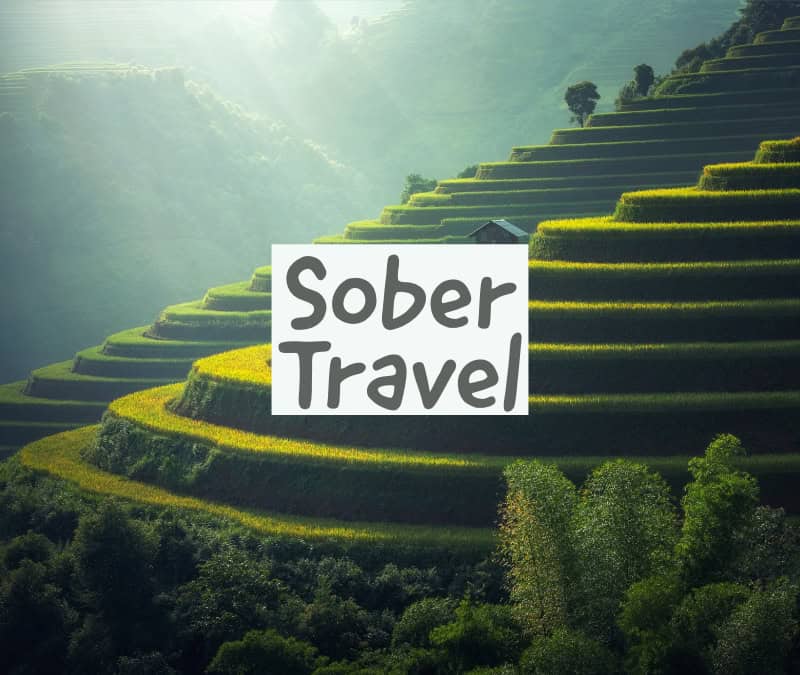
We all love to travel
Nearly every online dating profile can confirm this. We only have a finite amount of time on this planet, and we have a pull to see as much of it as possible. This can be an incredible experience, especially when we’re traveling with fun light-hearted people. When traveling, our guards are often down, and our heart opens to the present moment. The sights, sounds, and smell are all taken in. We are fully present, and this is where the magic happens.
A trip from hell
Traveling the globe is great until it becomes a nightmare. In 2014, I was a counselor for a high school trip, and we had just finished the Inca Trail and exploring Machu Picchu (this is where I got the idea for the 2018 sober travel itinerary to Peru). I had plans to continue my travels after the students returned to Colorado and I was ready to strap on the backpack and let the wind take me. That was the plan at least.
I said goodbye to the group and had every intention of staying sober for the rest of my trip. That internal declaration lasted no more than two hours, and I found myself drunk at the hostel bar later that evening. For the remainder of my stay in South America should have been the sober vacation of a lifetime, but it ended up being a disaster where I wanted to hit the eject button nearly every moment.
Death Road mountain bike tour
After that, I traveled to Puno and visited the highest freshwater body of water on the planet, Lake Titi Caca. Then I visited La Paz Bolivia where I saw Guns and Roses on my birthday. They didn’t sell alcohol at the concert, so I saw it as a sign it was going to be my new sobriety date, my birthday! After the show, I was drunk followed by a brutal hangover for the Death Road mountain bike tour.
After that, I did a jungle tour in the Bolivian Amazon and was so thankful to hear I wouldn’t be near a bar or store that sold alcohol. Well, alcohol is everywhere, and ended up convincing a local to sell me 3 liters of beer. I was becoming demoralized, and the trip was only half done. Next up, my trip involved renting a car and drove (mostly drunk) through northern Argentina, then a 16-hour bus ride over the Andes into Chile where I vomited on myself twice. The bus driver apologized for the windy roads. To the day, I still don’t think he knew I was just flat out drunk. Oh yeah, I forgot about the salt flat in Bolivia and northern Chile. This is usually a highlight for travelers, but I was too hungover to exit the vehicle most days.
Will this trip ever end…
I found myself in northern Chile in the San Pedro de Atacama Dessert wanting nothing more than to just “go home.” I think I even googled “time machine” or “tele-transport” a couple of times in google searches. I was utterly defeated by alcohol at this moment, and I still had ten days left on the trip. I booked a stargazing trip in the desert of Chile which, apart from Machu Picchu, was the best part of the whole trip. During this stargazing excursion, I got a glimpse of the universe. A seed of spirituality was planted in my heart… For a moment, I thought I would be able to go the rest of the trip without alcohol.
Then Lima happened. I woke up every day promising myself I wouldn’t drink. I did so well until the sun went down. I did manage to attend a couple AA meetings in Lima which helped, but overall, it was a total dumpster fire.
I’ve also googled “dolorian time machine” in hopes that I can go back and to that trip again: sober. In fact, I wouldn’t be surprised if I go back and see these incredible places again. The difference this time is that I won’t do it alone.
Great Experience with Sober Vacations
After that vacation from absolute hell, the idea of sober travel vacations first arrived. I said, I love to travel, and I need to find a way to do it without being tempted to drink. Call it fate, destiny, or whatever, I then started the Recovery Elevator podcast, the sober communities Café RE and we just did our first international dry travel vacation to Peru in 2018 with 20 total attendees. During that trip, not one person drank. We had 20 people who have decided to live a life without alcohol and not one person drank. Incredible. On top of that, laughter seemed to be the theme of each day!
Next up is Asia January 20 – 31st, 2020. We will be flying into Bangkok, Thailand and departing Seam Ream, Cambodia. Apart from exploring two top destinations in Southeast Asia, we will be doing service work with Ourland, an elephant sanctuary, in Kanchanaburi. This sober travel tour should be the trip of a lifetime and simply cannot wait.
If you can’t make a Recovery Elevator sober travel vacation, and you still want to travel, here are some tips.
Tips for sober travel
- Go with a friend who knows you won’t be drinking. This person can hold you accountable and give you support in those difficult moments. Make sure this friend doesn’t prioritize alcohol.
- Go with a sober travel buddy – even better! If you have a sober friend ask them to travel with you.
- Attend an AA meeting. I’ve attended AA meetings in nearly a dozen countries and not only is it great support, it’s a quick way to meet locals. I went to a meeting in Mexico and then was invited to a BBQ at a local’s house. It was so much fun.
- Keep recovery in your pocket – My recommendation is Café RE, but there are several supportive online recovery communities.
- Don’t risk it – Wait till you have some solid sobriety footing before embarking on a sober vacation 2019. If you’re in your first 30 days of sobriety, it may be prudent to wait another couple of months.
- Do not stay at the party – many hostels are where the party happens. Do your research and make sure you have an exit strategy when you’re ready to call it a night.
- Be strategic with your destinations – If sobriety is your goal, then the Spanish party Islands Ibiza, probably shouldn’t be on the itinerary. Maybe think about visiting Morocco where alcohol isn’t part of the culture.
Don’t let your goal of sobriety hinder your travel plans. There are many ways to do this. I’ve been to over 15 countries sober, and I plan to add to that list! Sobriety has given me a life I could never could have imagined. Thanks for being part of it.
by Paul Churchill | Dec 31, 2018 | Blog, Expectations, The first Year
The decision to cut alcohol out of your life will pay off huge dividends in 2019 and much longer. Trust me…
Happy New Years Eve! Breaking news… You don’t have to drink today. In fact, over the years, I’ve met several people whose sobriety date was December 31st. You can have a hangover on the first day of the year, or you can wake up feeling refreshed. It’s up to you.
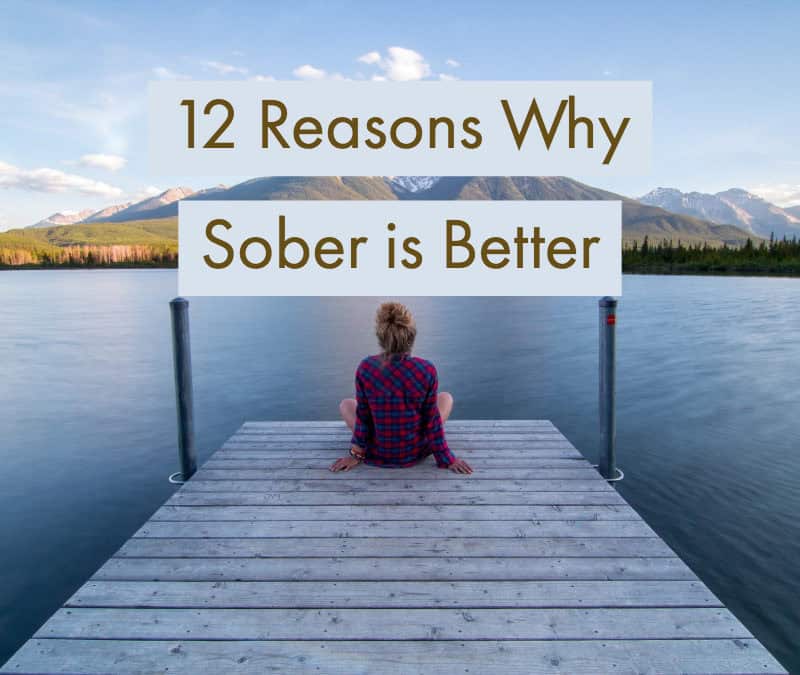
Deep down inside, at the core evolutionary level, we arrive on this planet fully equipped to live a happy life without any external substances. Especially alcohol. Here are 12 reasons why sober is better and why it’s a good idea to get the new year started off right with the Best Sobriety Podcasts.
1. Look you’re best
In Café RE, I see before and after pics posted all the time and oh my goodness are the transformations incredible. Within 30-60 days of quitting drinking, you’ll have people pull you aside and say, what’s your secret? You must be eating at the new vegan restaurant next door and are sipping on pure kale juice? I want to be clear, this statement has nothing to do with shedding pounds. I’ve seen people go up to their beautiful healthy weights, I’ve seen the color of people’s skin change, I’ve seen smiles return to faces.
2. Feel your best
More important than looking your best (external), you’ll start to feel your best (internal). I remember when I was drinking, the first 10-20 seconds when I woke up in the morning were intimidating. I knew I was going to feel less than average. Upon waking, I was afraid to fully assess the amount of damage I had done to my central nervous system the night before. The most important catalyst to feeling your best starts with sleep. While drinking, there was no quality sleep. If I could summarize how I feel in sobriety with one word, that would be – rested.
3. Alcohol can fix things you didn’t know were broken
Within time, you’ll start to notice issues (internal and external) slowly begin to fade away. These could be health issues or turbulent relationships with loved ones or co-workers. I never was a long-distance runner. I didn’t think I had the genetics to do it. I would tell myself that I’m built for quick bursts, like a cheetah. In sobriety and my normal one to three mile runs turned into five, seven and even a twenty-three mile ridge run race at year 3 in sobriety.
4. Make the most of your time spent on this planet
Human beings are awake on average 15 hours and 30 minutes per day. Make all the hours great. I remember towards the tail end of my drinking, the first 6-8 hours of every day were blah, at best. I’d then turn a corner and say, okay, I’m starting to feel better. A couple hours later I’d say, I’m feeling good, today is a good day. Unfortunately, at that moment, I’d also say, let’s take a detour from the present moment and start drinking. No matter how many times I promised myself today would be different.
5. Build better relationships
The opposite of addiction is connection and while we’re drinking, we’re not connecting. We may think imprinting our ass on a bar stool for hours at a time helps us build lifelong friendships that will endure the test of time, but that’s not the case. Conversations without alcohol are always more enjoyable. They’re authentic. Also, when we quit drinking, it will become clear who we need to spend time with.
6. Confidence
I had this feeling as a kid, and I think most of us had it at some time in our life, which was I can do anything if I put my mind to it. That feeling is better than any drink, drug, adrenaline rush, etc. In sobriety, you’ll find your inner voice saying things like, “I think I can do this,” which transitions into “I can do this,” to eventually, “I am doing this.” This state of mind was gone when I was drinking. Welcome back!
7. Less fear
The underlying level of fear in your life will drastically be reduced. You’ll be less afraid. You’ll stop making decisions based on fear. You’ll be more proactive in life instead of reactive. If we are always making decisions based on fear, we aren’t moving forward in life.
8. You’ll save a sh*&^t ton of money
According to my Recovery Elevator sobriety tracker, I have saved $37,486 since I quit drinking. This isn’t chump change found under a couch cushion. That’s a lot of money. This past April, I closed on a house on 1.5 acres outside of town. I’m surrounded by mountains, across the street is a 1,200-acre dairy farm, and the sunsets are epic. Down payment required for this house was, roughly the amount I’ve saved from drinking. This would have never happened if I was drinking.
9. You’ll be living in the present Moment
You’ll find yourself saying, what is this? This intangible presence that I can’t touch but I know is there. The thing that I’m hyper aware of that I never seemed to notice before. It must be the present moment. When we live in the present moment, depression (the past) and anxiety (the future) fade away. Why is the present moment so powerful? Because it’s all we have.
10. Avoid unnecessary disasters
You won’t be ruining your cousin Mindy’s wedding, or you won’t park a car in your neighbor’s pool. It seemed like once a year I did something I deeply regretted. At first, it was making an ass out myself at a party, but as the drinking progressed, the consequences became more catastrophic, like a DUI while driving to work in 2014. It’s nice to put substantial distance between me and those tragic events in life.
11. Create the future you want
I thought I could make the life I realized a reality while I was drinking, but that wasn’t the case. The grandiose goals and plans I projected in my future during my drunken states, never even reached a whiteboard when sober. As long as I was drinking, the tires of life were spinning in the sand and towards the tail end of my drinking, the tires were removed entirely. This is where sobriety gets exciting. The life transitions that I’ve seen take place are incredible. I met a guy named Patrick who attended the Peru trip and in sobriety, he has sold a portion of his shares in his restaurant group, purchased one of those “souped” up sprinter vans with Scandinavian interior finishes, bought like a 50 mountain ski pass and is living the life he’s always wanted to live. Anything is possible in sobriety.
12. You’ll start to make healthy memories
Within time, you’ll start to create new, fun and exciting memories. I’ll be honest, getting sober was a challenge, to say the least, but in the past four years, I’ve had some incredible memories and met some fantastic people. Several of these memories are from Recovery Elevator meet-ups. Some of them are epic sunrises with my standard poodle Ben. It’s also a compilation of the excellent smaller memories. It’s the little things that count!
by Paul Churchill | Oct 23, 2017 | Blog, Early Sobriety, The Bottom, The First 24, The first Year
We all hear the stories of alcoholics who almost completely ruin their lives before getting sober. They are secretly chugging bottles of vodka, crashing cars, getting arrested, and continuously putting themselves into incredibly dangerous situations. I have addicts like this in my family, and I greatly sympathize with them. I am so proud of them when they finally do hit bottom and get sober. But do we have to experience such acute pain? Is there such a thing as a high bottom drunk?
But what about the alcoholics who have “high bottoms”? These are the people who, from an external view, seem to have a relatively healthy relationship with alcohol. Rather than continuing to speak in general terms, let me touch on my own relationship with alcohol and having a high bottom. I was a binge drinker from the age 17 until I was about 21. The first time I ever got drunk, I fell in love with what alcohol did to me. I went from being the shy and uncomfortable girl to being the witty and charismatic life of the party. Whenever I got drunk I fell in love with the people around me and kept the night going until I was the last person standing. Around age 21 I got my sh*t together, so to speak. I hit a rock bottom at this age, and it became apparent that I had to cut down on my drinking (if you are interested, I speak about some of my bottoms around this age on episode 99 of Recovery Elevator). I quit drinking for a month, and completely reevaluated my relationship with alcohol. Although at the time, I knew I was an addict, I convinced myself that I could continue drinking if I could implement moderation. I valued drinking so much that I forced myself to do this.
Surprisingly enough, I got really good at moderating alcohol. I credit a lot of this to the hangovers. I get incredibly bad hangovers after having only 3 or 4 drinks. The hangovers have become so bad, that as much as I love getting buzzed, even when I am 3 drinks in I often can’t justify having a fourth because I know too well how I will feel the next day. The bad hangovers have been enough to keep me in check with my drinking over the past few years.
I am 24 and although I spent two months at the start of this year sober, I have been continuously drinking for the past 3 years, until recently. During this time I have consistently worked, traveled around the world, paid all of my bills on time, and built and maintained some amazing friendships. I have been able to appear like your typical young adult. A lot of my friends have been in the advertising industry and we worked long hours during the week and spent our weekends partying on rooftops, often ending up at someone’s apartment where we would talk until 3 am about life! (you know the alcohol infused conversations that can miraculously jump from global warming to the illuminati to art, then to the Kardashians, and end up all the way back at the meaning of life?).
Even though everything seemed “fine”, I have continued to return back to this idea of sobriety. I don’t know how to describe it other than by saying there is a part of me that I keep deep inside that just knows I will live a better life sober. I am reminded of this come Sunday morning when I spend the day doing absolutely nothing other than nursing a hangover. I am reminded of this when I look in the mirror and see that my eyes have been drained of any spark they may have. I am reminded by this when I spend a few weeks sober, and notice that my body just starts to glow when I am not making it process alcohol. I am reminded of this when I wake up at 3 am and feel the dread and anxiety that comes after my wine buzz has faded. I am reminded of this when after a night out I awake and feel deeply unlovable. I am reminded of this when I realize I rely on alcohol to make me feel worthy of great relationships. I am reminded of this by all the subtle ways alcohol makes my life a bit darker.
Just as the ways drinking negatively affected my life were somewhat subtle, the ways sobriety impacts my life are also subtle. So far sobriety has not made me lose 20 pounds or get an amazing job or find an amazing life partner. For me sobriety looks like me spending 15 minutes every night stretching while listening to music I love. It’s being able to make plans on both weekend days because I no longer have to have one reserved for nursing a hangover. It’s allowing myself to sit with feelings like loneliness or sadness, without immediately trying to cover them up with a drunken night out. It’s finding the time to exercise 4-5 times a week, something I never had the energy to maintain while drinking. It’s money I’m saving. It’s going to bed knowing I will wake up and be myself, not the exhausted zombie alcohol makes me become.
As my days of sobriety tick by I start to flirt with the idea of drinking again. I justify this by reminding myself that I wasn’t an “out of control drunk”. I have a feeling that other people with high bottoms may do the same. All I can say is that in these moments, you must let these feelings come and go without acting on them. And then in the moments when you do feel good, really let yourself feel that and it will remind you why you are staying sober.
I am 24 days sober, and the reason why I stopped drinking this time is not because I hit a low. It’s because I am sick and tired of living a mediocre life. I am tired of being a “functional” alcoholic. I don’t want to go through life just simply functioning through it all- barely squeaking by. I want a life that is good, or possibly, maybe, even great. And I am fully aware that when I am drinking, I’m just not going to push for that. When I am drinking, I am fine settling for mediocre, as long as it means I can order another round.
I’ve been journaling a lot lately, and I recently wrote a love letter to my high bottom. I thanked it for allowing me to have to take responsibility for my sobriety. I am not choosing sobriety because things got so bad they couldn’t get any worse. I am not choosing sobriety to make a partner or my parents feel relieved. I am choosing sobriety because I believe it will lead to a better life. When you get sober at a high bottom, it means you are truly listening to yourself. You aren’t getting sober because the world is telling you to, it’s because you want to, and that is the fuel that will keep going.
by Paul Churchill | Jun 29, 2017 | Blog, Resources, The first Year
When I got sober I felt more alone than I’ve ever been. My boyfriend had just broken up with me, I was living in a foreign country, and I was too ashamed and embarrassed to share with anyone what I was going through. I had a friend in Cancun who was sober and offered to take me to a 12-step meeting, but I was terrified to go. Not only that I was positive I wouldn’t understand the majority of what was said since it would have been in Spanish.
I spent the majority of my first year in recovery alone. I read a lot of books about addiction and I engaged with sober websites and blogs. I attempted to attend 12-step meetings online, but I didn’t connect with anyone in the groups because I didn’t understand what they were talking about and they kept telling me to go to face-to-face meetings. I wasn’t ready to hear them or to take their advice.
As time went on I was finally able to find community, through 12-step meetings here in Florida when I moved, and through my blog and the online recovery community.
Here are 5 reasons community in recovery is everything.
- Group support
There’s nothing more powerful than a group of people collectively healing. Sharing your story is powerful and it can give permission for others to do the same. In gatherings of 12-step meetings I heard my story in other people’s stories and I was surprised and relieved. I felt like I finally could identify with others who had the same struggles as me. Groups can also provide support, advice, and guidance as you walk the sober path.
- Isolation can be dangerous
When you’re alone, whether on purpose or by chance, your thoughts and demons can become overwhelming. You may feel crazy, like you’re not sure what you’re feeling is normal or not, and it can become easier to consider going back to drinking or using. When we’re in recovery we need to be informed about what we’re feeling and if it’s normal or needs special attention. Community support can help with this and create a group atmosphere where everyone shares their successes and setbacks.
- Creating a new lifestyle
A big part of recovery is creating a new lifestyle and daily schedule to follow. We have to get rid of a lot of our old ideas, behavioral patterns, and even some hobbies, in order to be steadfast in our recovery. Finding a new community of people who are also sober, can help you engage in new activities with people on the same path as you. Additionally, these people can help you navigate new situations or activities that you might not know how to approach and vice versa.
- Giving back helps keep you sober
For many of us, finding purpose in sobriety is the key to keeping us sober. You don’t just get sober and that’s it. It’s an ongoing, everyday process, with ups and downs along the way. You may have heard the phrase, “you have to give it away to keep it.” Passing on the message of recovery to others who need to hear it, not only makes us feel good, it can be what another person may need to hear to get sober themselves. Helping out in your community, volunteering to do service work, or just sharing your story of recovery on social media can help give back, and simultaneously keep you sober.
- Accountability and motivation
Being sober is easier when you’re around people who also want to be sober and are working towards similar goals. Having someone you can stay accountable to makes avoiding negative behaviors more manageable. It’s always good to have someone you can call when you need to discuss feelings, thoughts, or cravings you’re having. During active addiction, we don’t have a lot of accountability and sometimes it’s hard for us to trust others or have others trust us, rebuilding we types of healthy relationships is essential in a sober community.
The community has allowed me to connect on a human level with others who are in and seeking recovery online, and in person. It allows me to give back and to pass on the message of recovery. Community helps keep me sober, but most of allow engaging in community has given me purpose.
Written by: Kelly Fitzgerald with The Recovery Village
by Paul Churchill | Feb 12, 2017 | Blog, Sober Meme, The Bottom, The first Year
Sober Recovery Memes
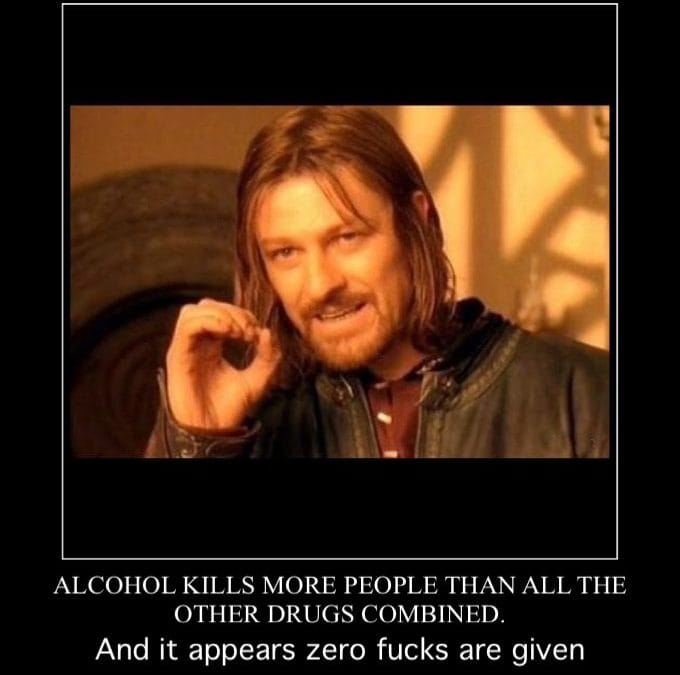
One of my favorite things to do while traveling is create sober recovery memes. They are all related to my memories of drinking and creating these recovery memes is a great way to add humor to my recovery. I’ve created over 100 sober memes and plan to keep on making these recovery memes as long as I am sober. Well, if I do drink, which isn’t the plan, I’ll continue to make memes about how drinking sucks.
You can see that the rock star in my life is my best friend Ben who is a standard poodle. When drinking, I often skipped his meals, didn’t deliver on promises of taking him on walks and overall was a sub par dog owner. Now things are much different as these sober recovery memes indicate.
Humor in recovery is essential and sober memes is a great way for me to express my creativity and smile. Sure there were tough times in the past when I was drinking, but looking back on these drunken moments and letting go is a big part of my recovery.
Be sure to add plenty of laughter to your recovery and don’t take yourself too seriously.
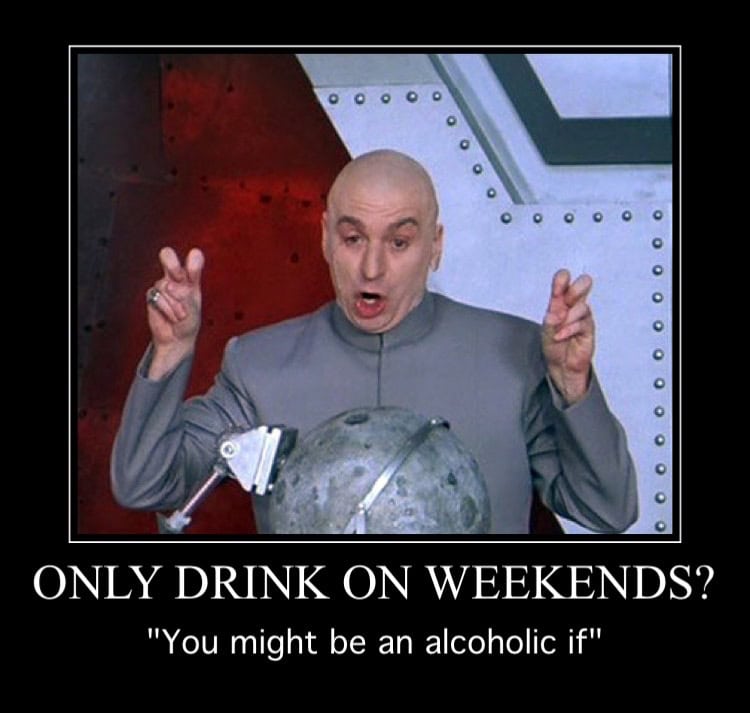
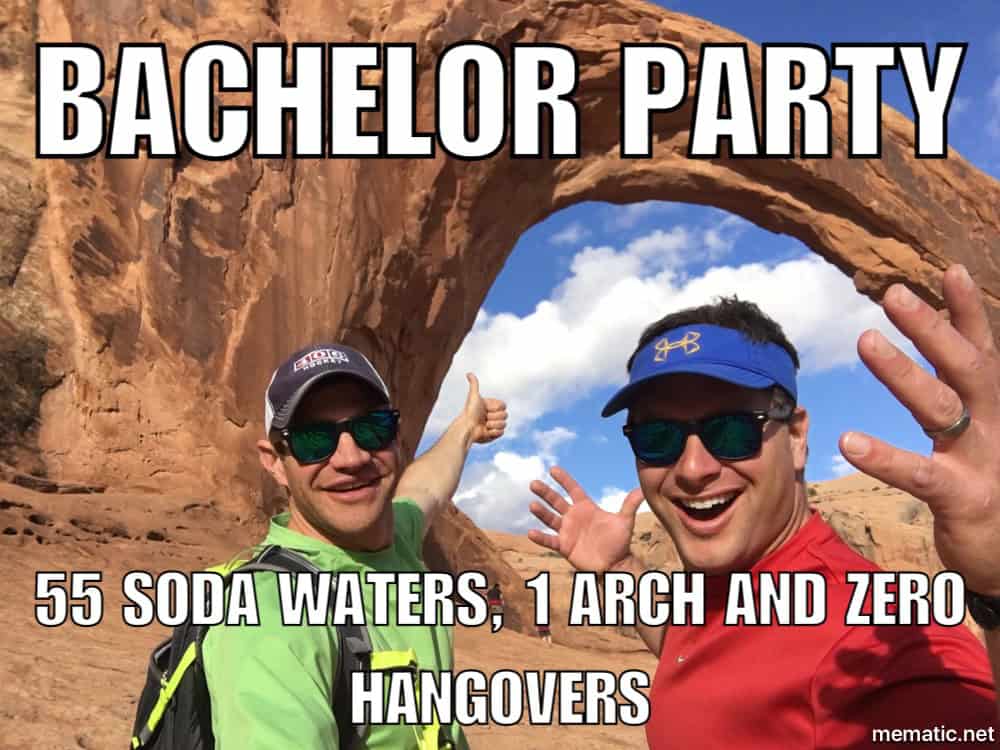

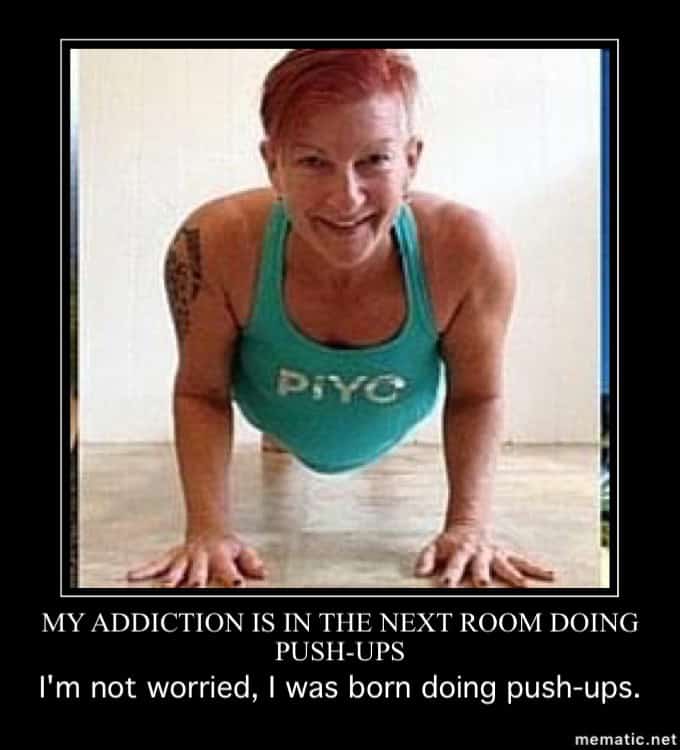

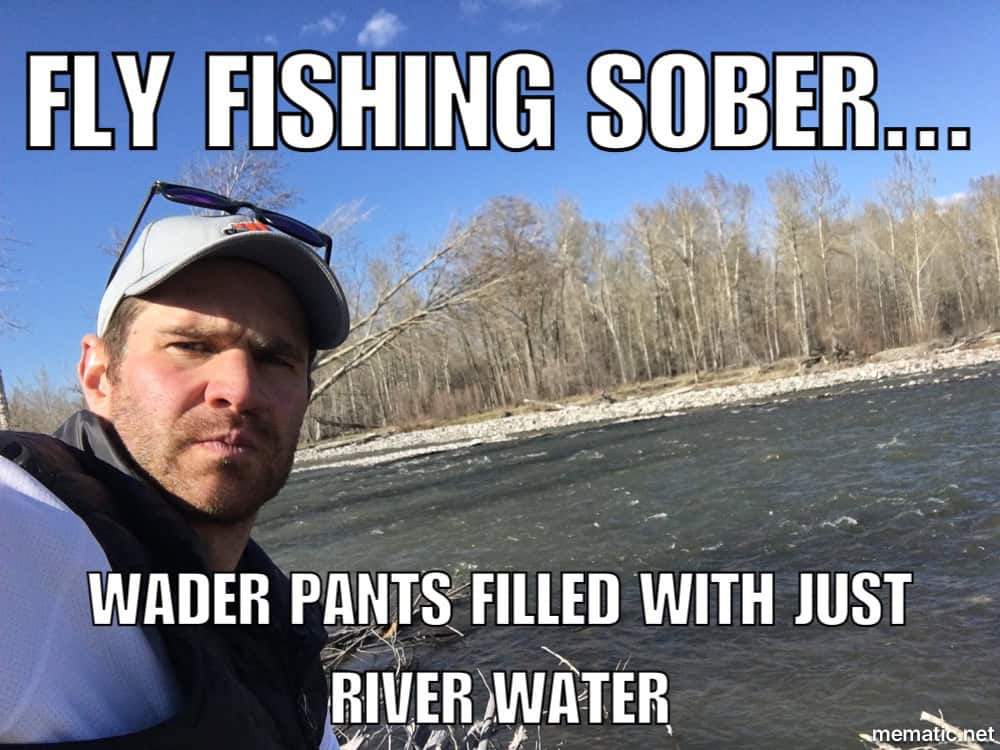


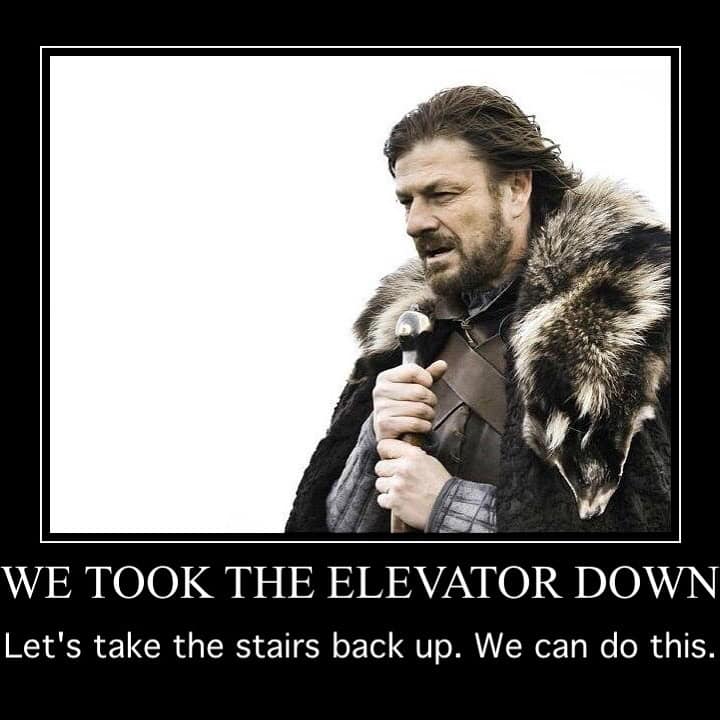
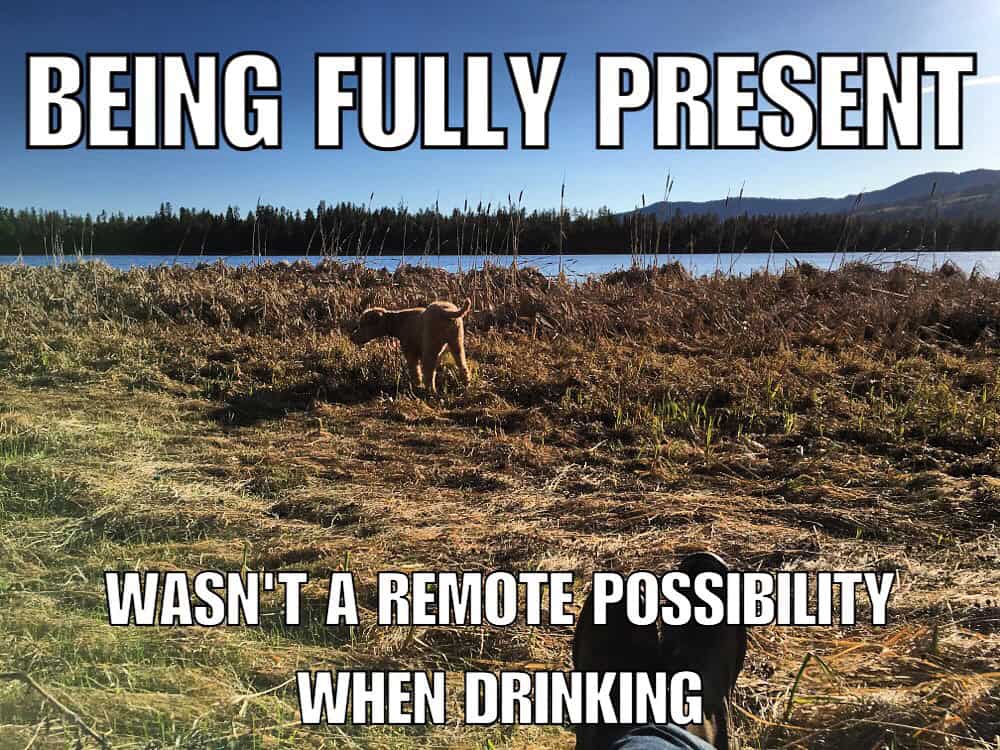
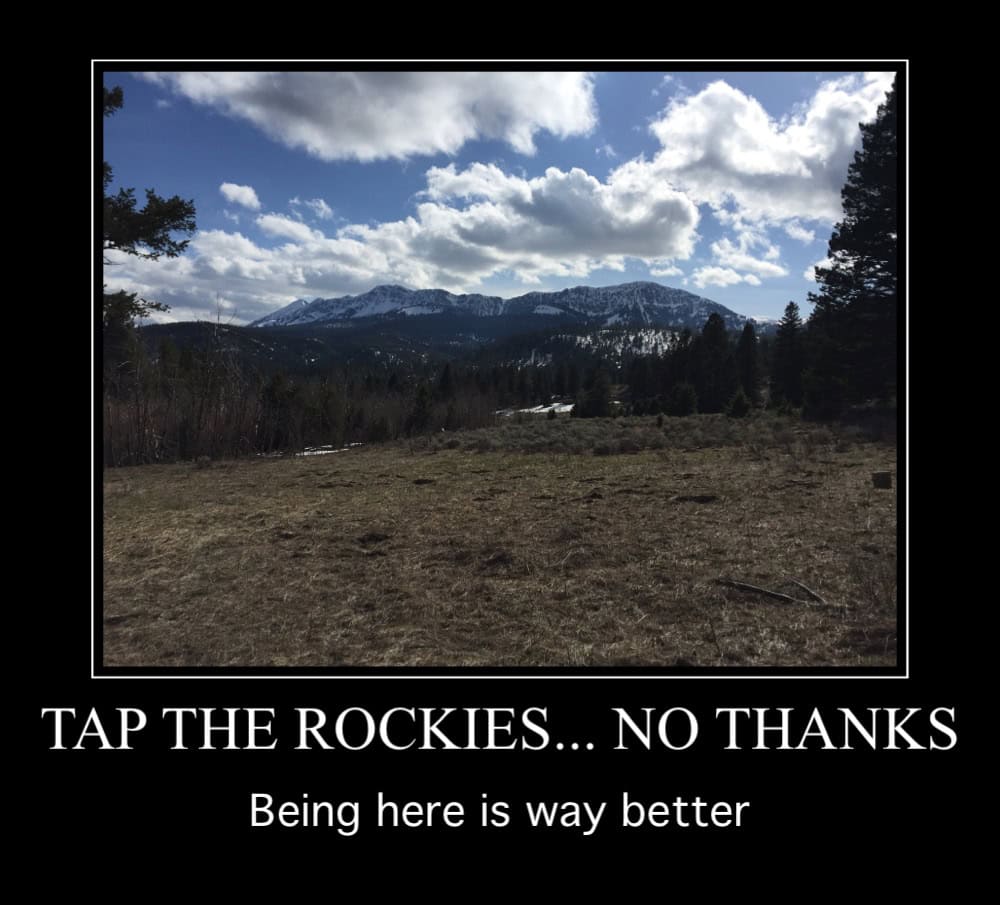
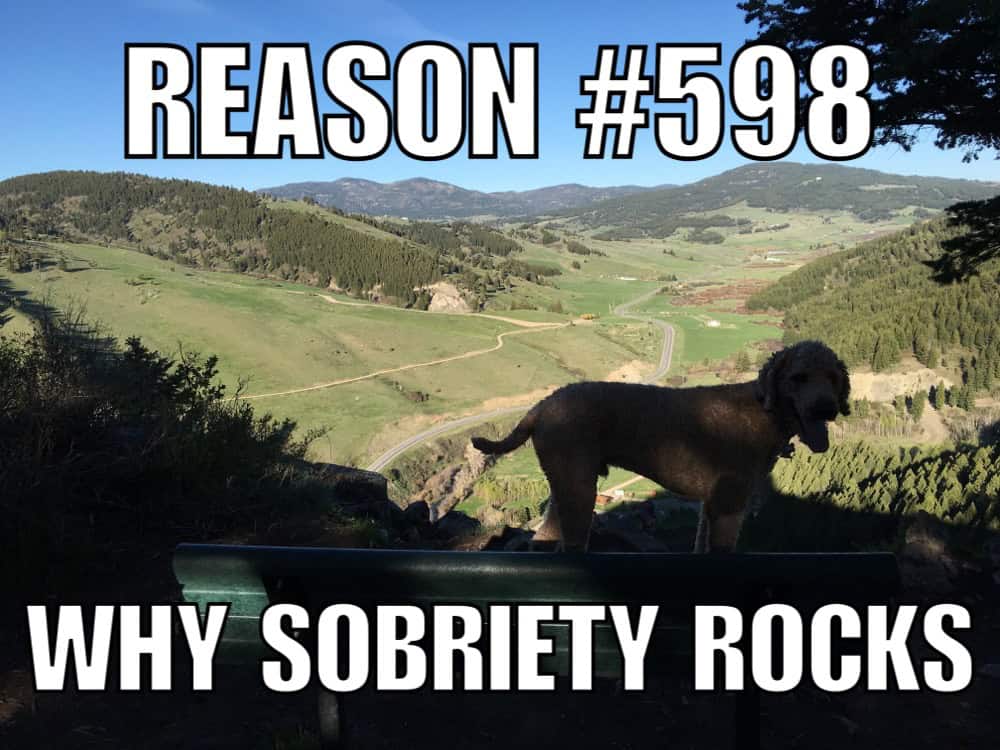
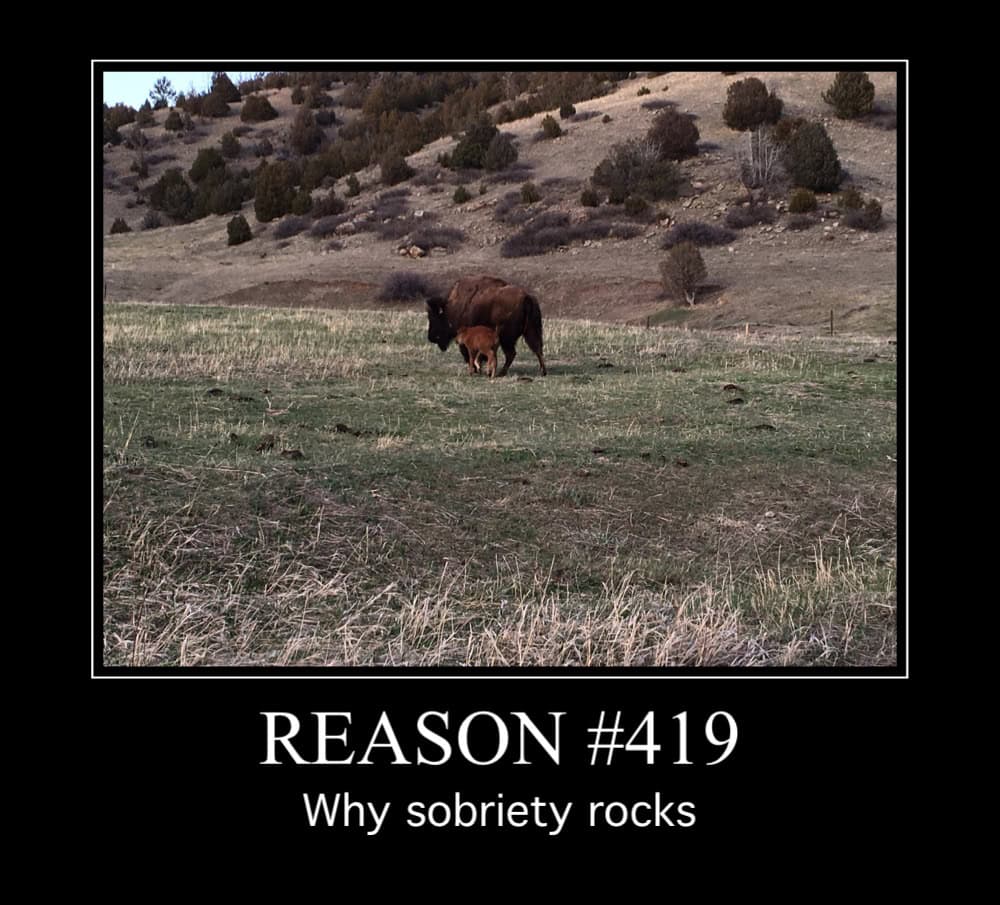
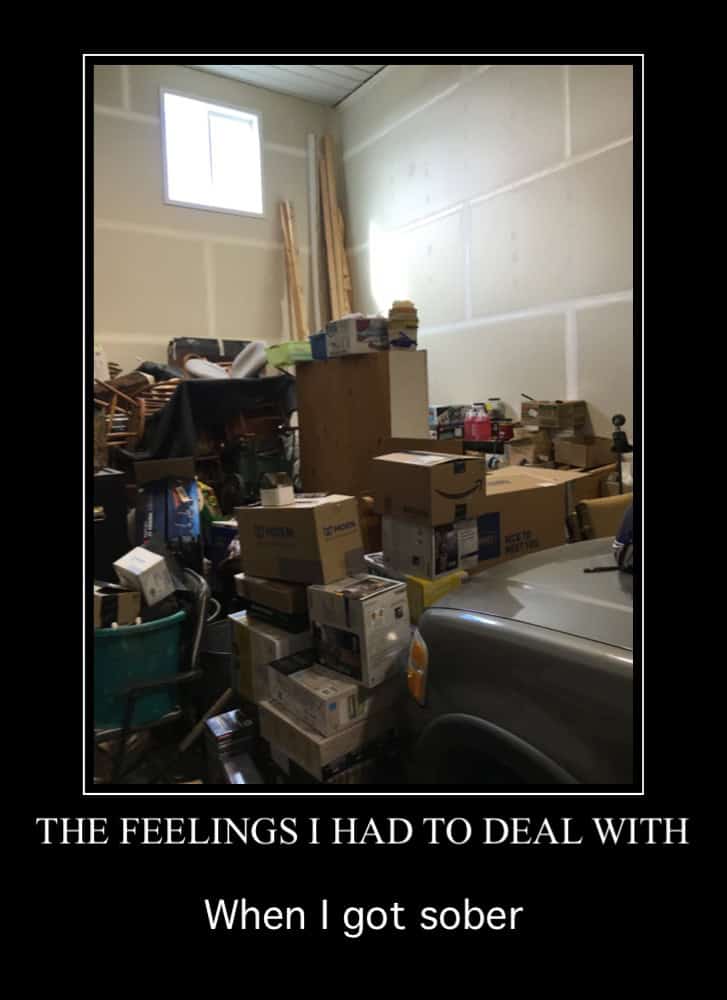
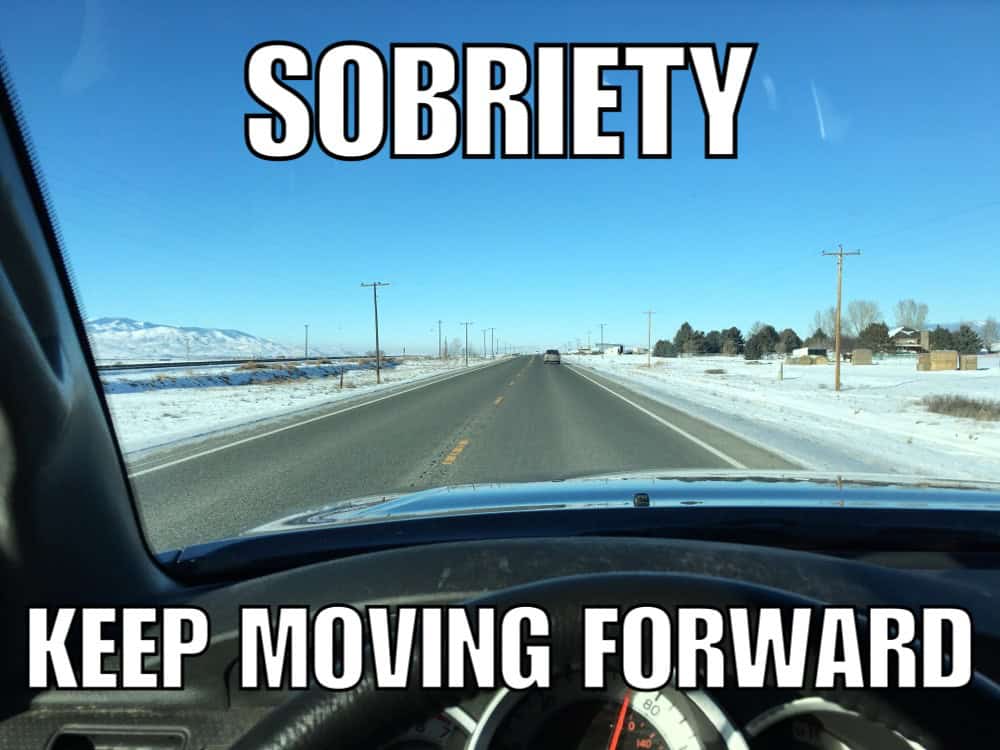
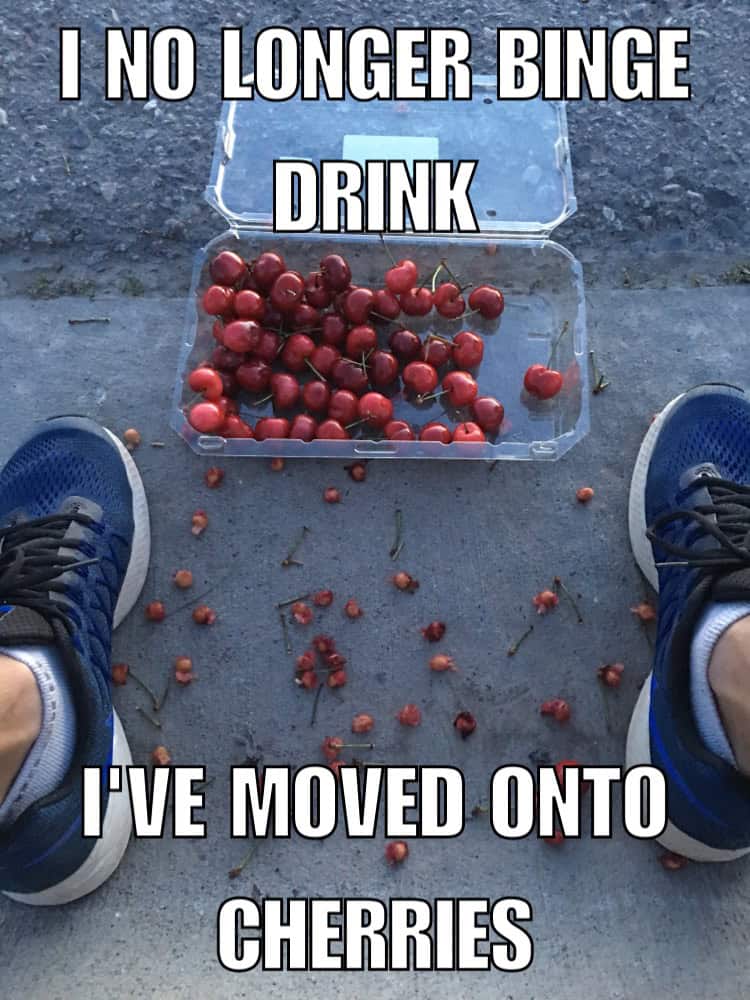
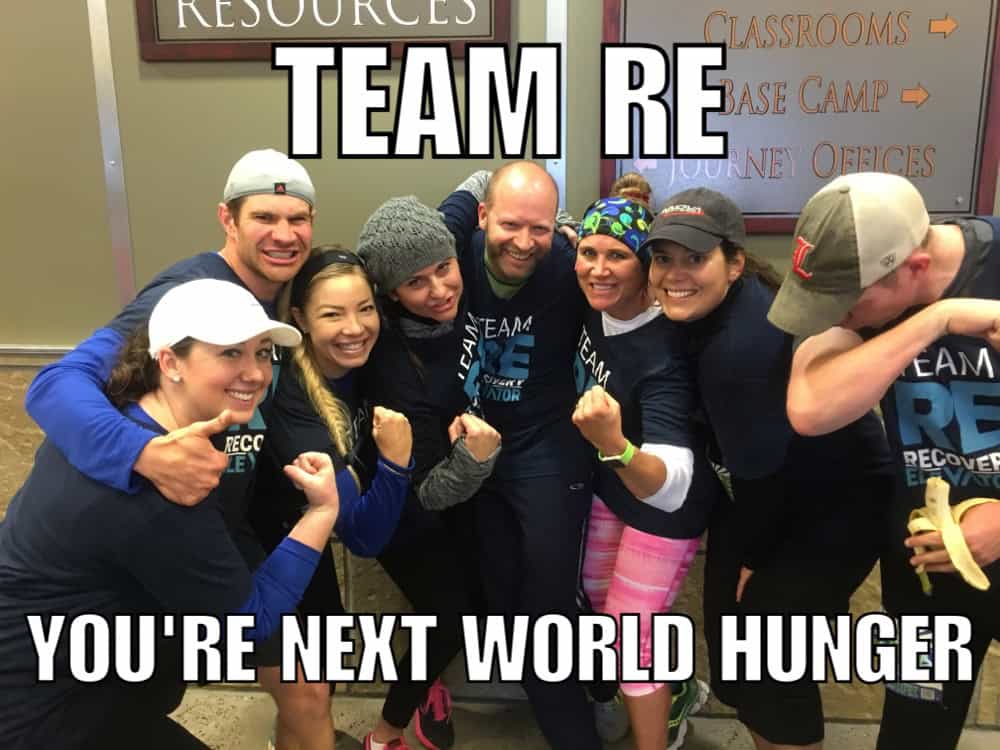
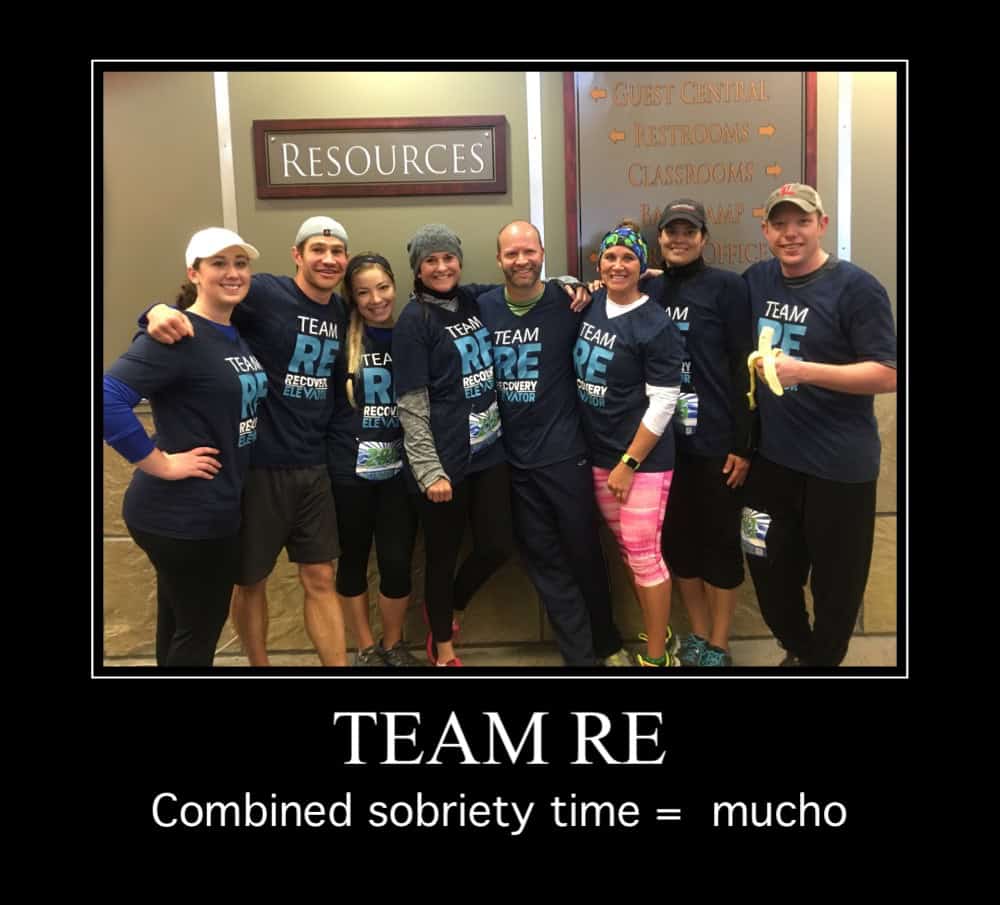
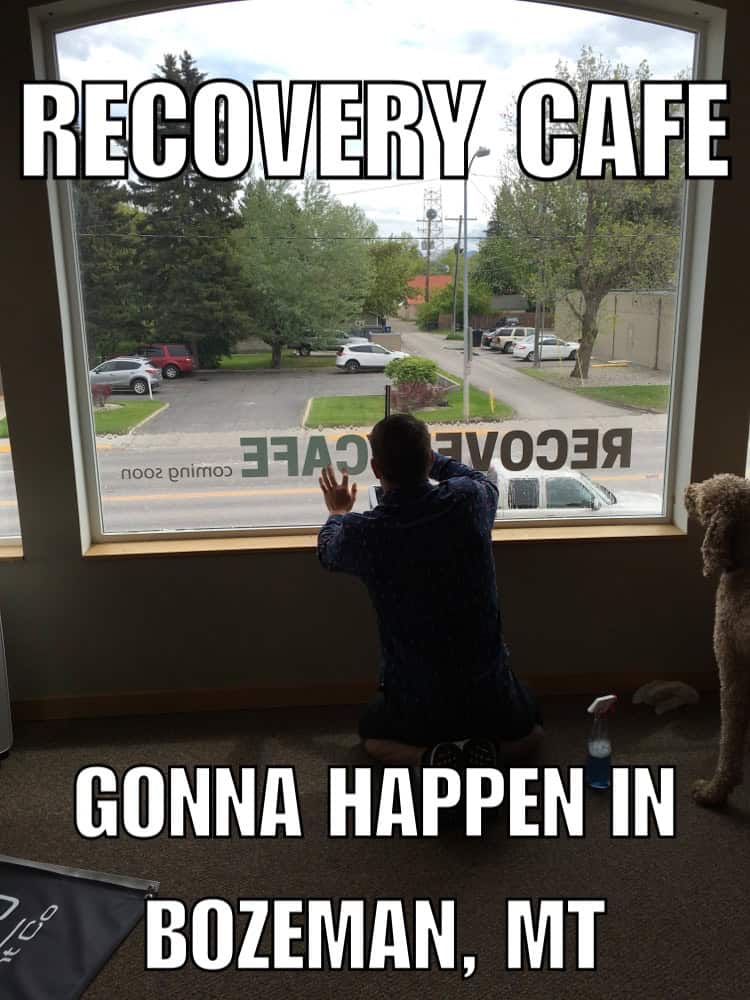
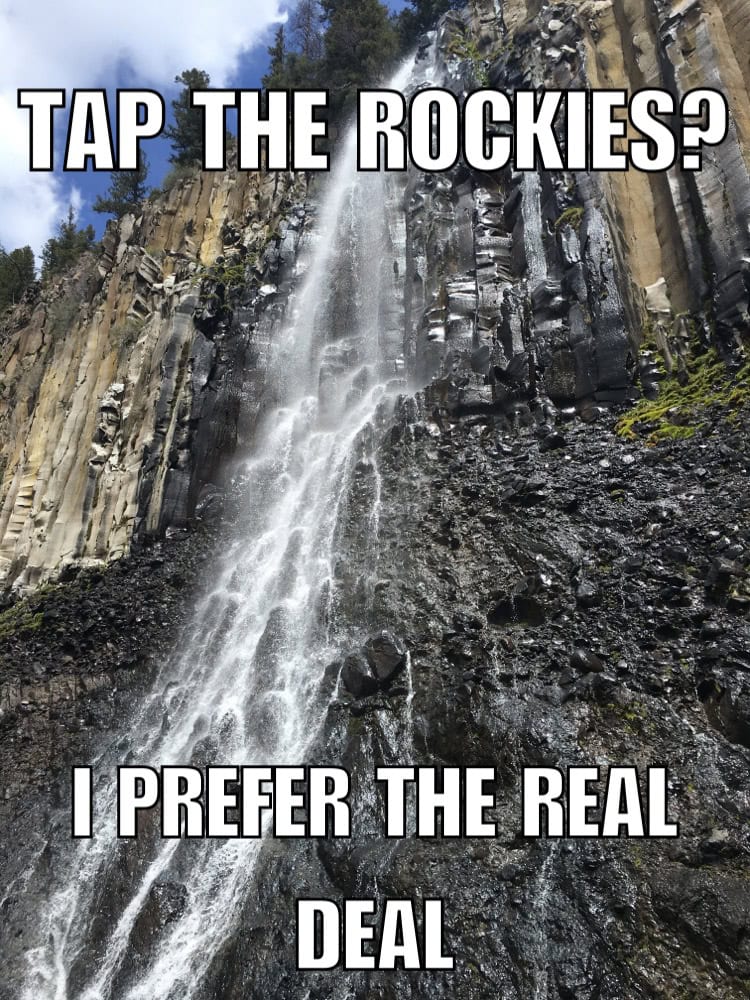
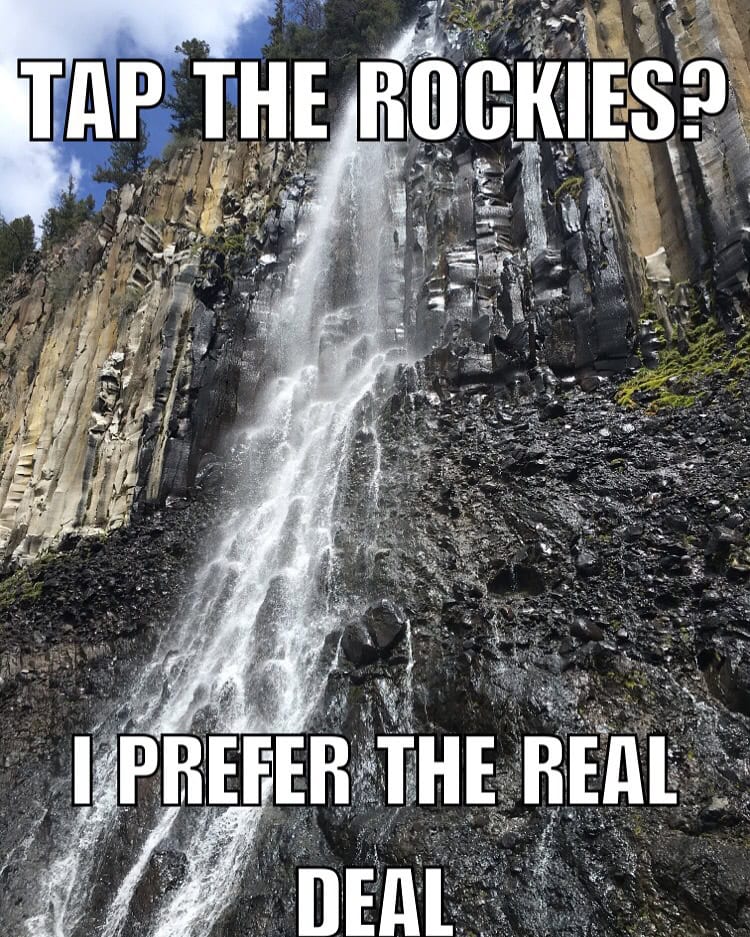


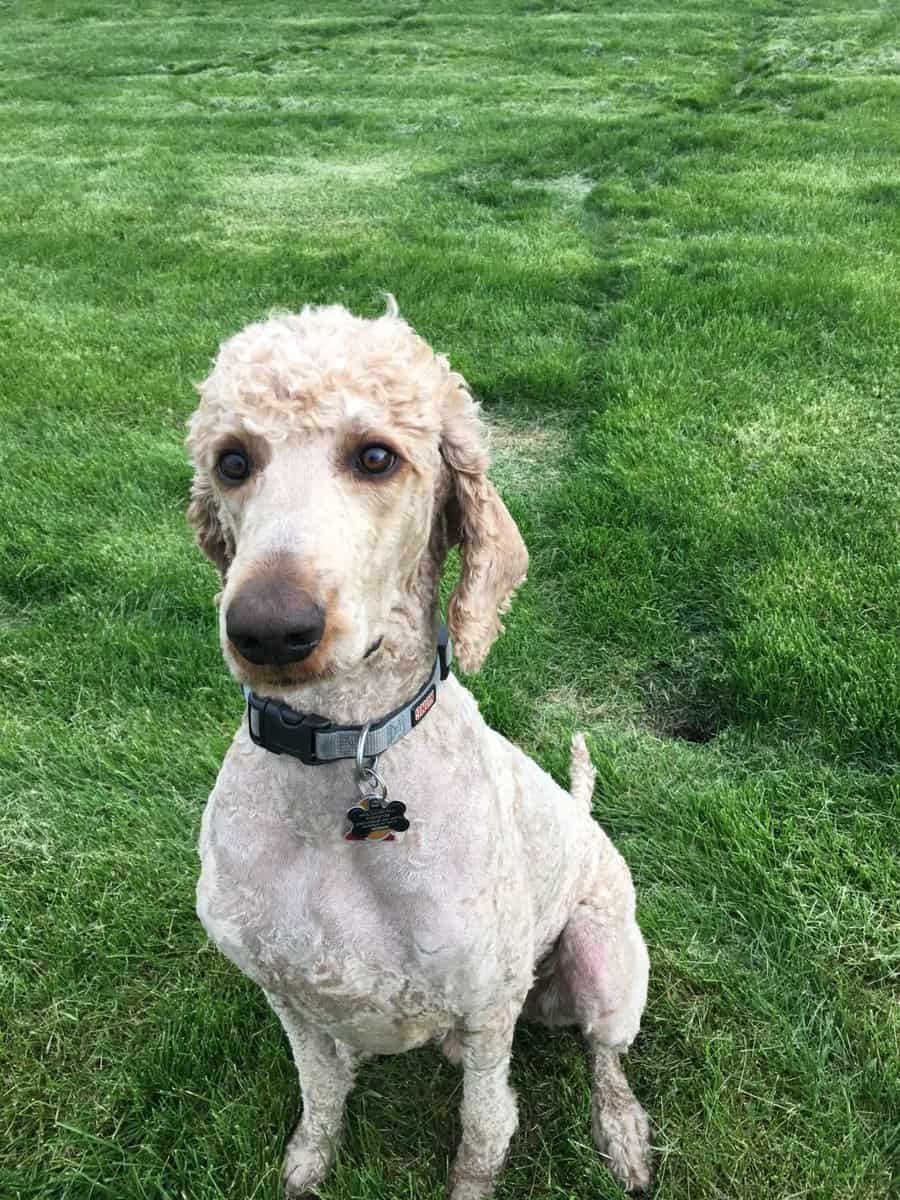
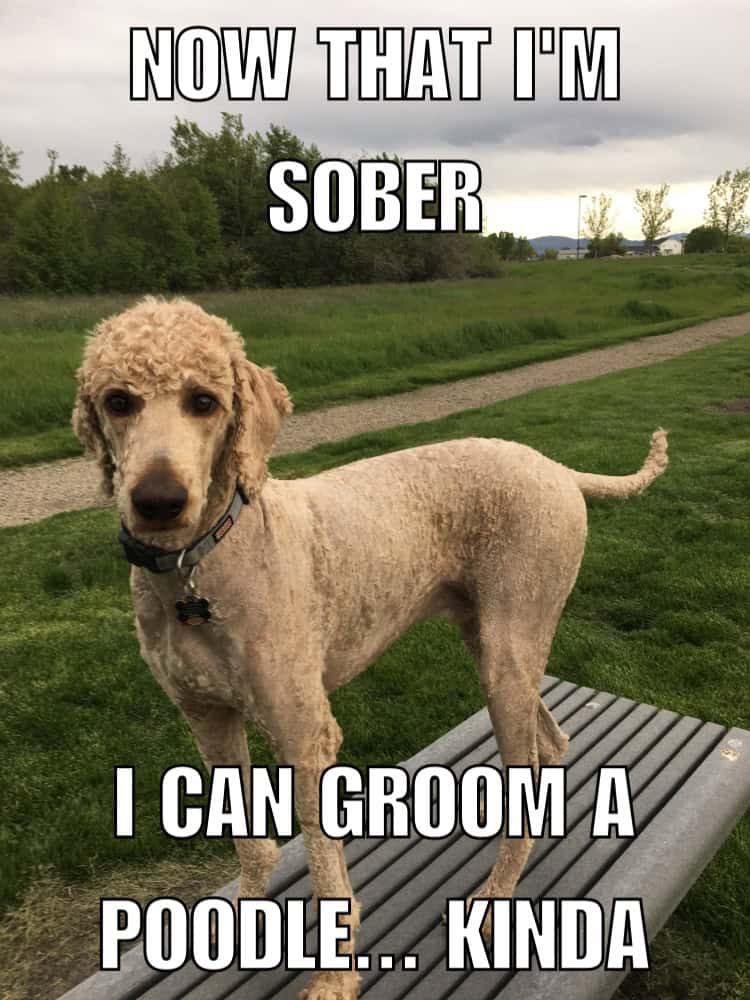
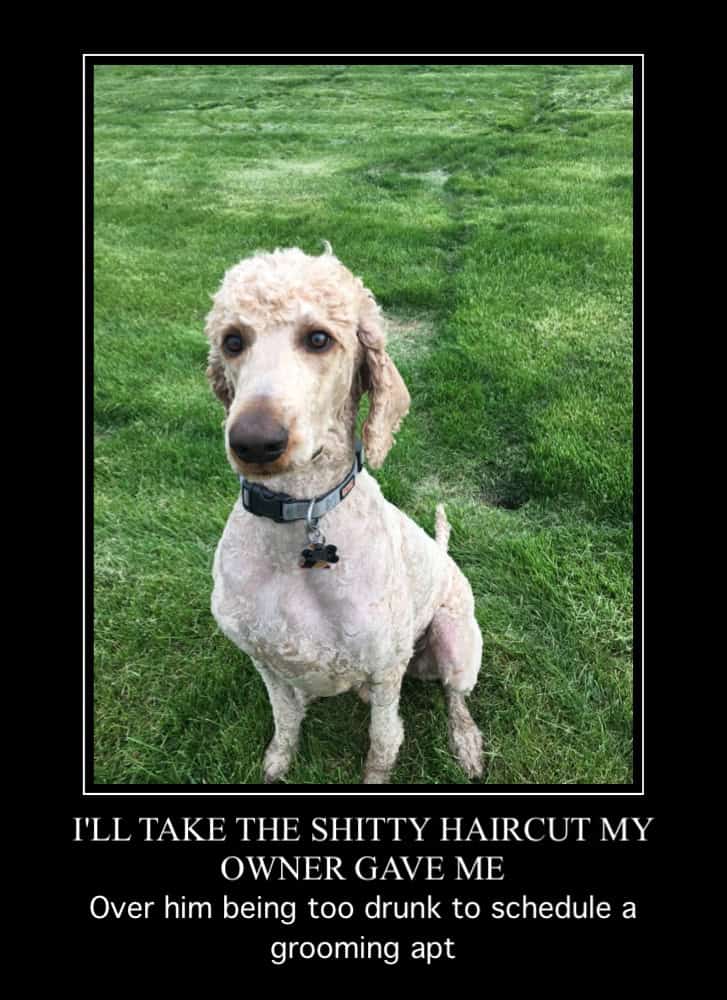
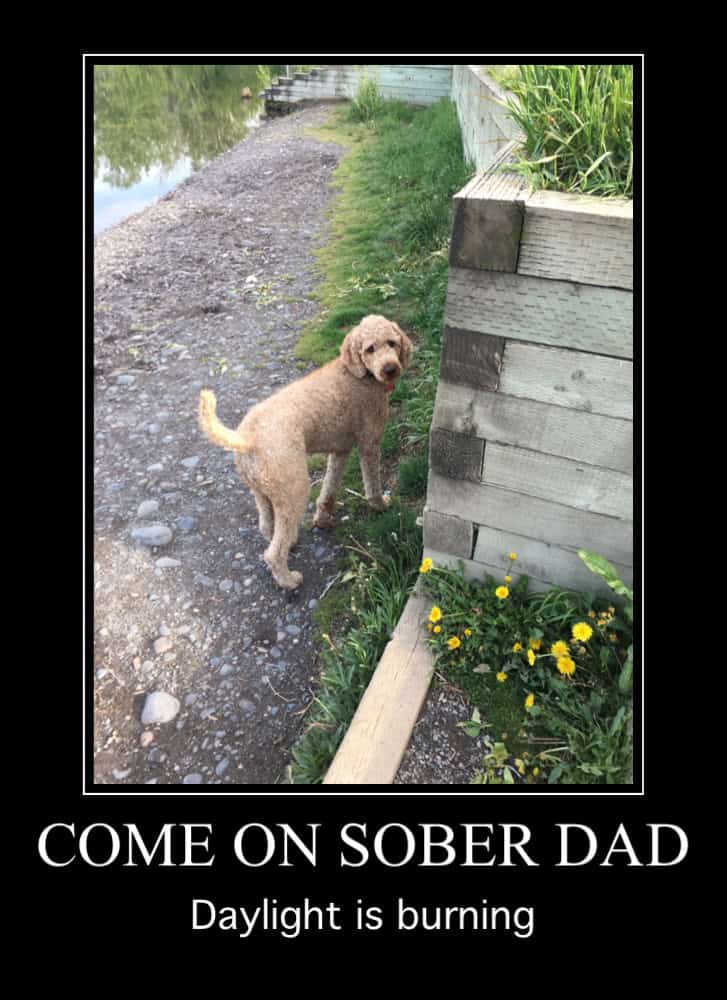
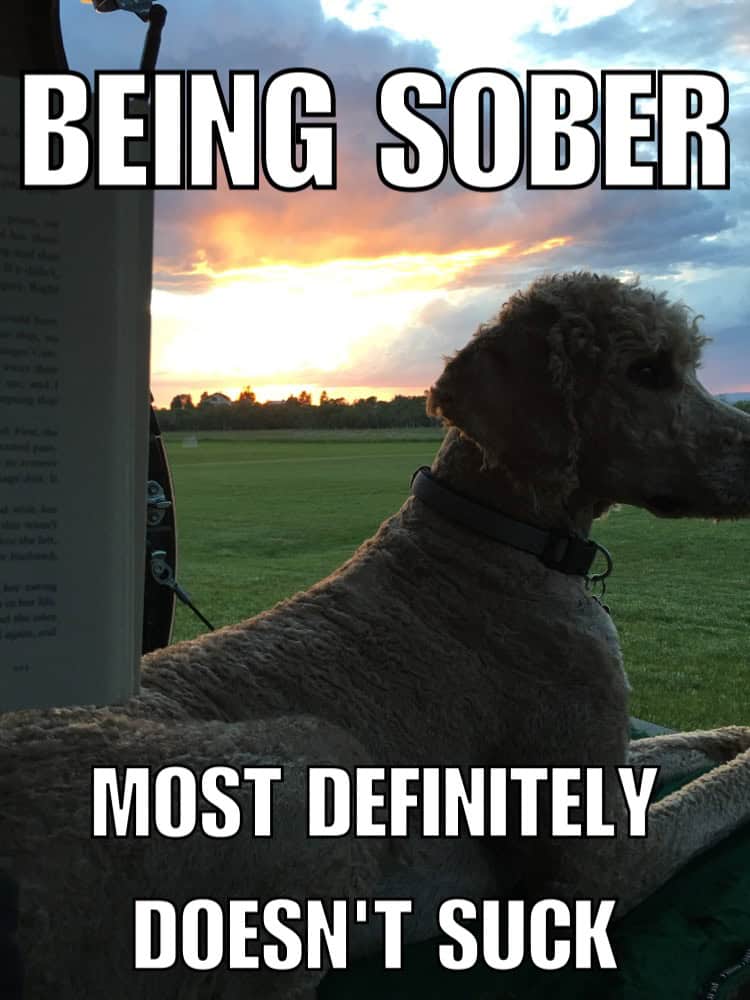

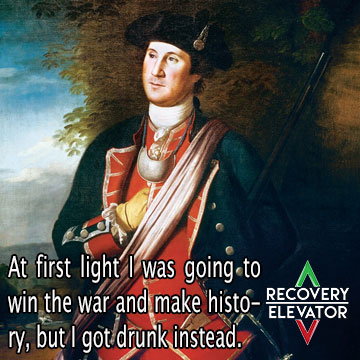
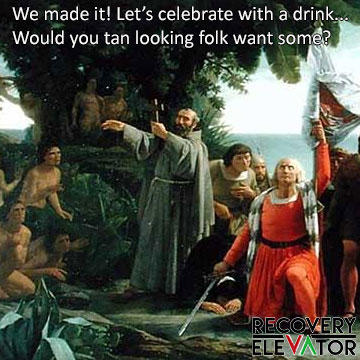
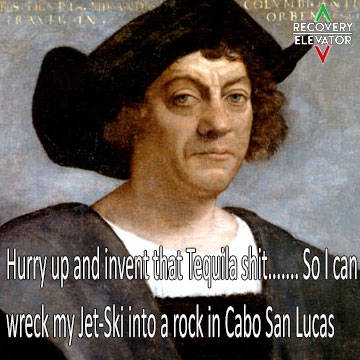
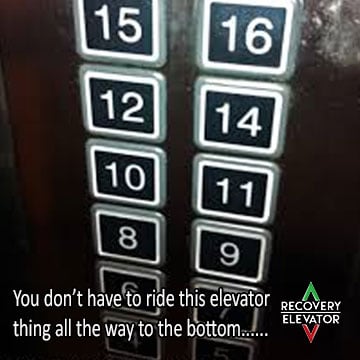
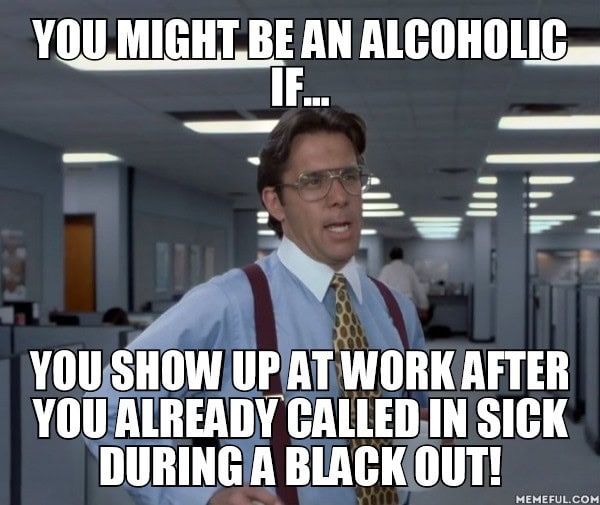
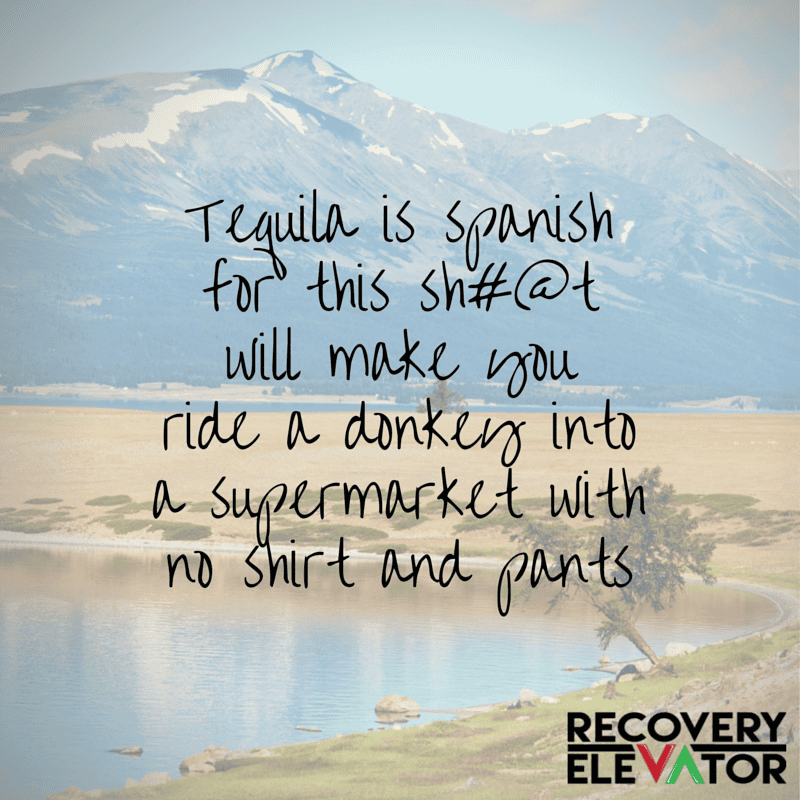
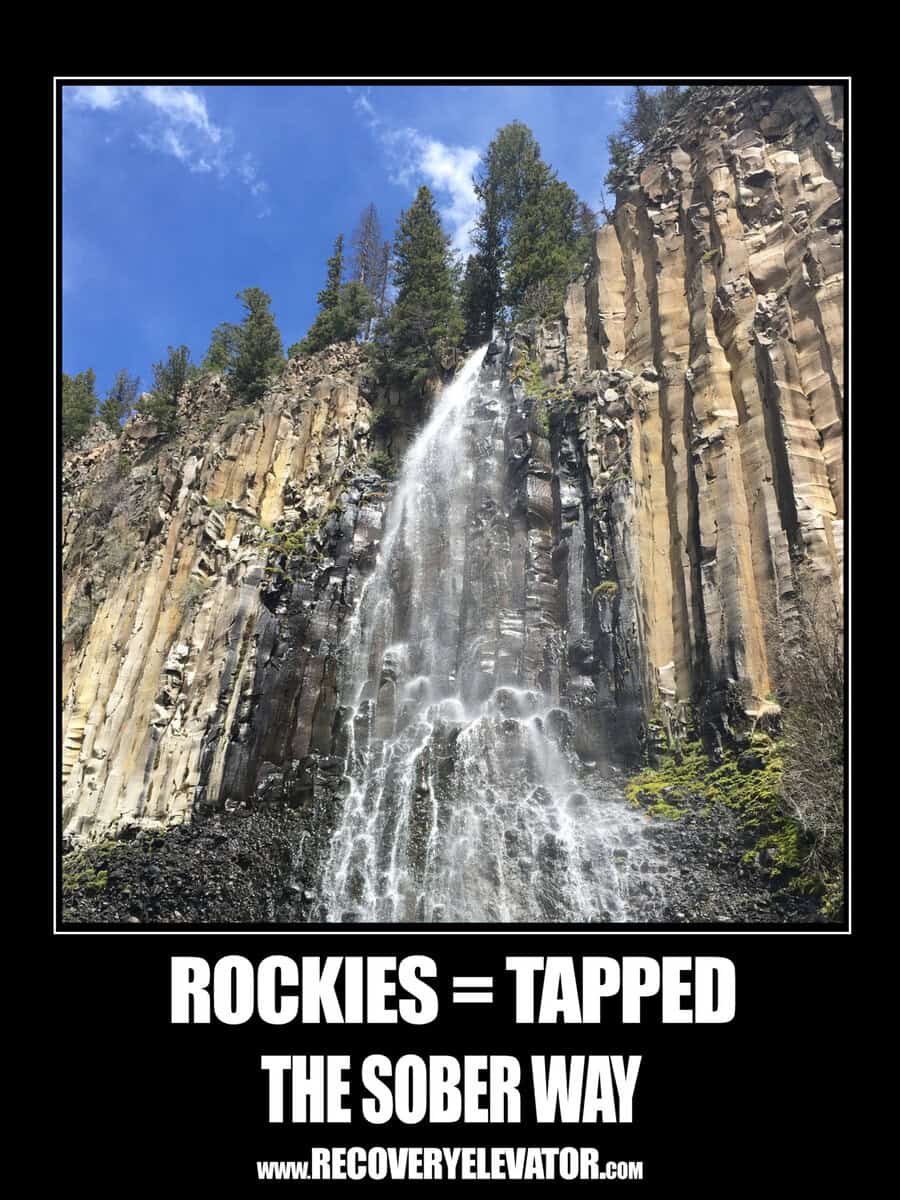
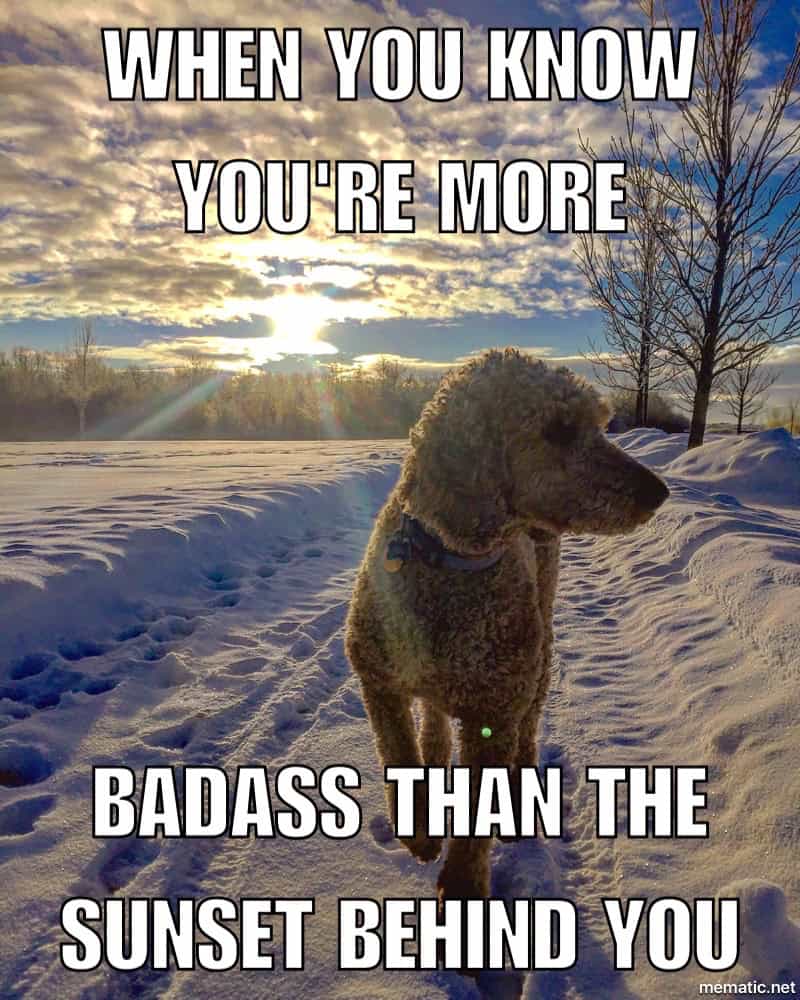
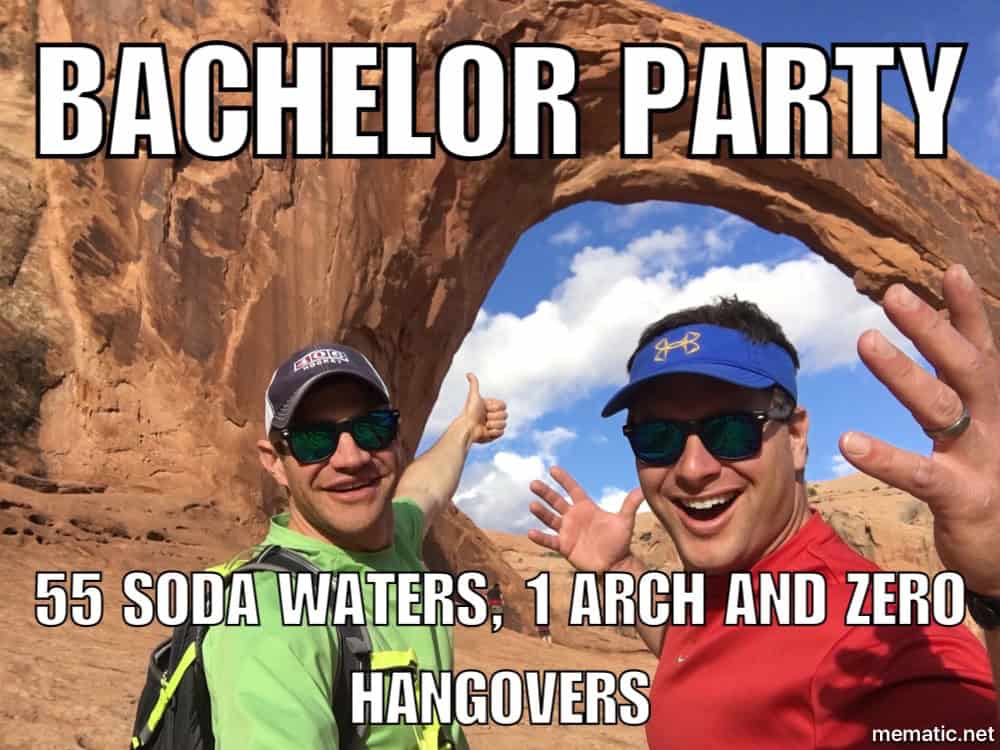

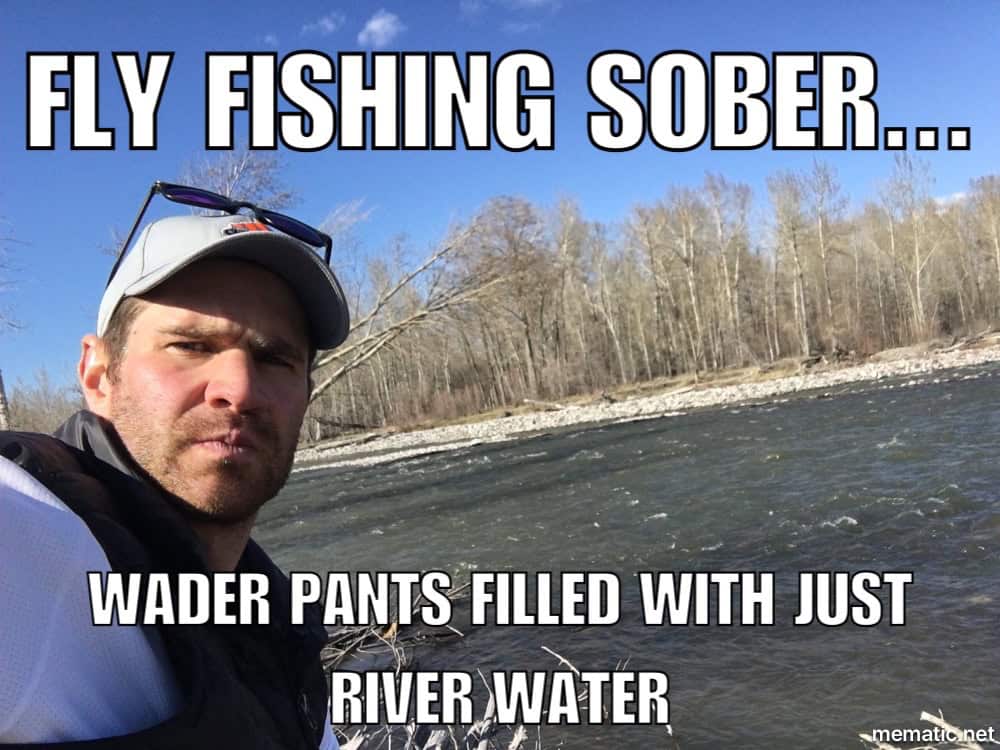

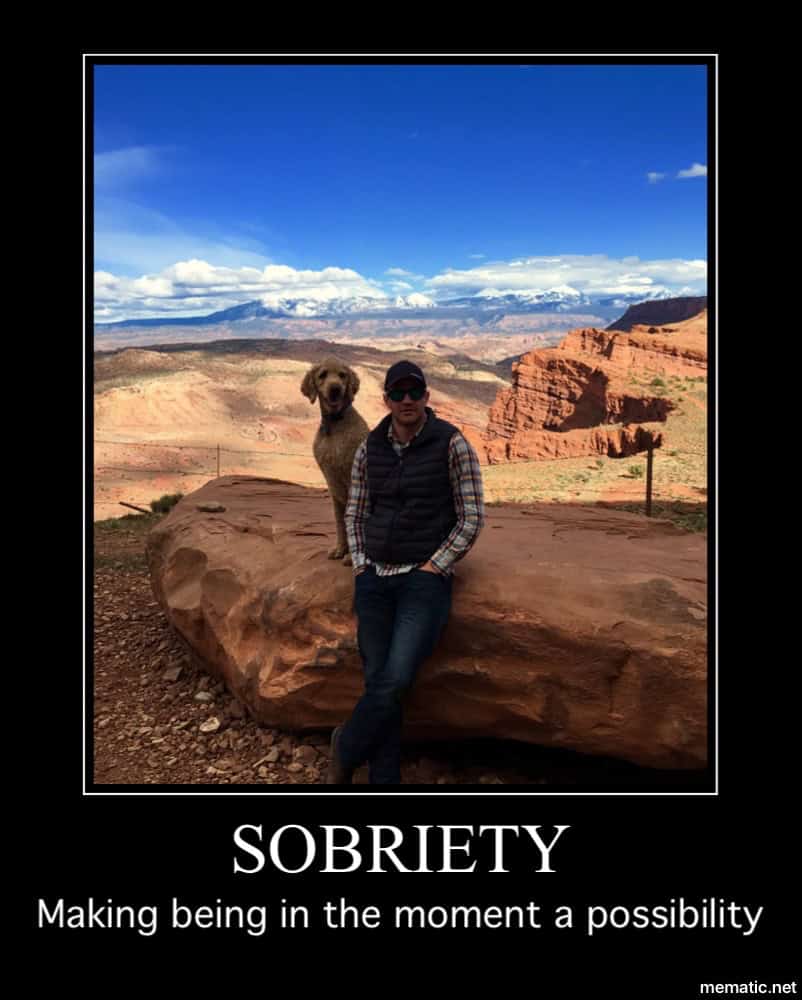
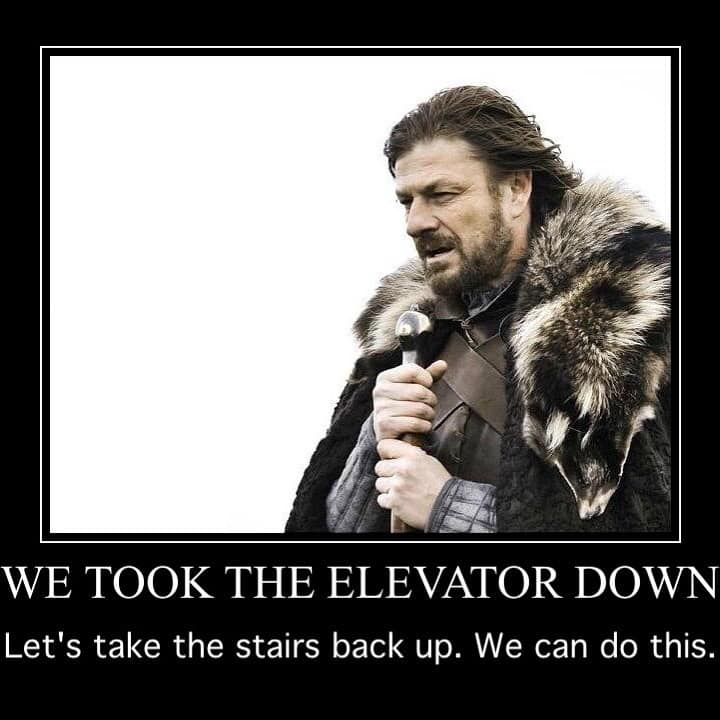
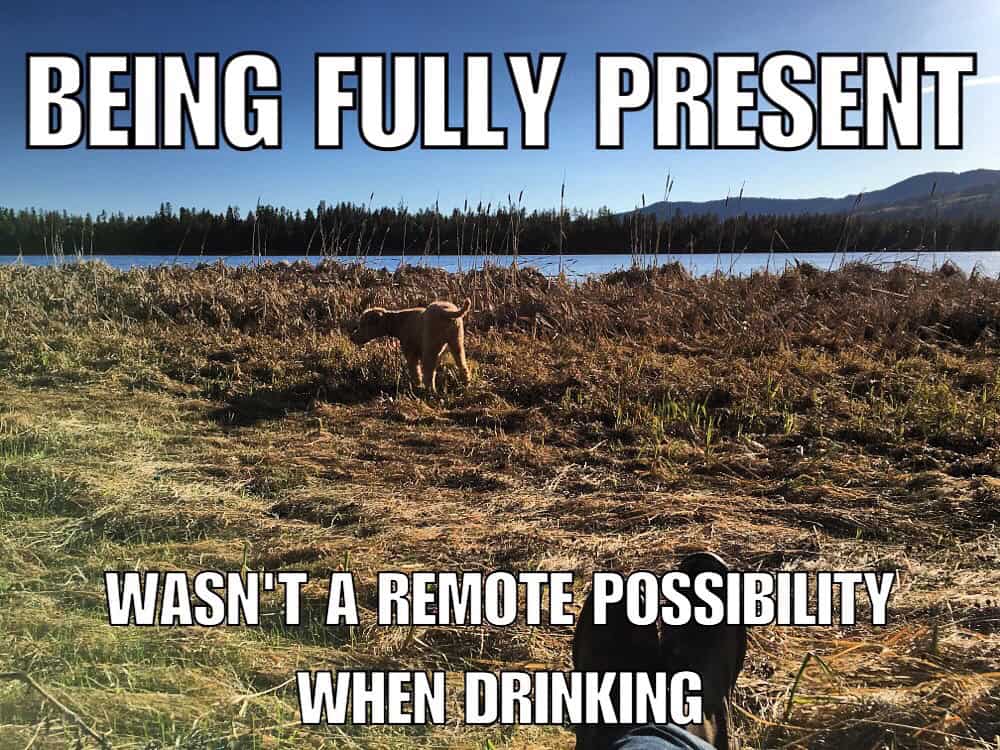
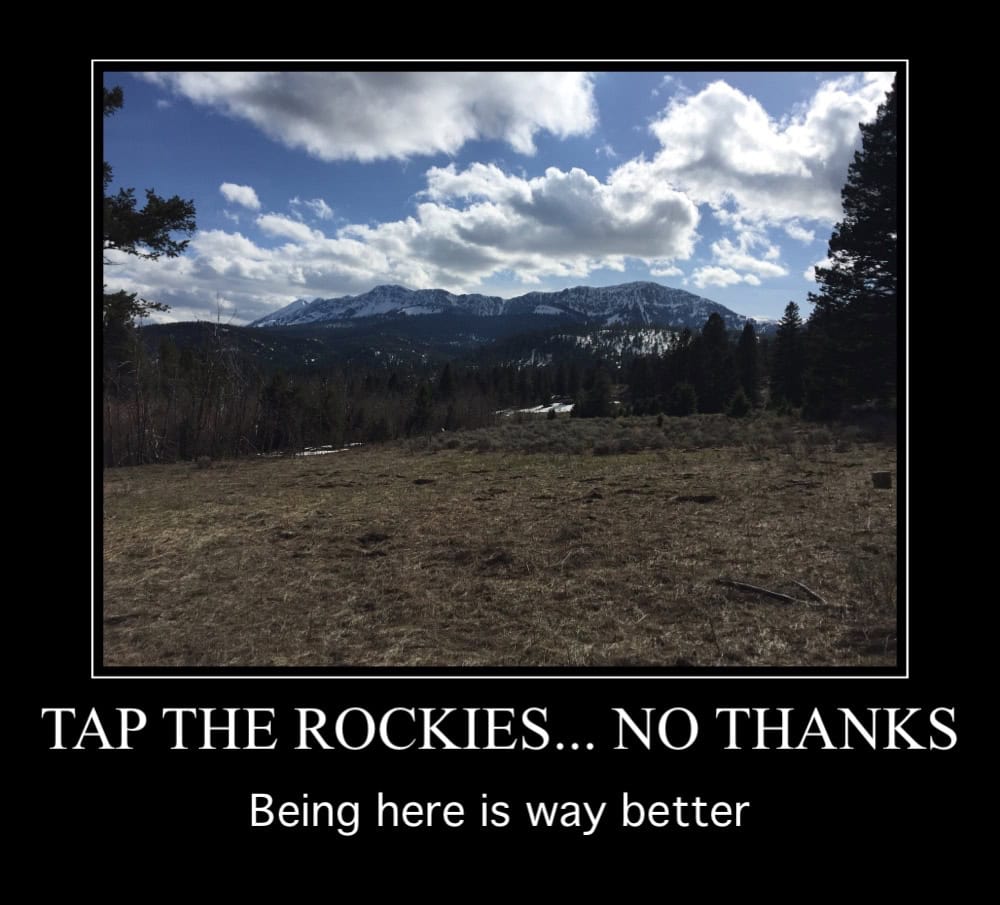
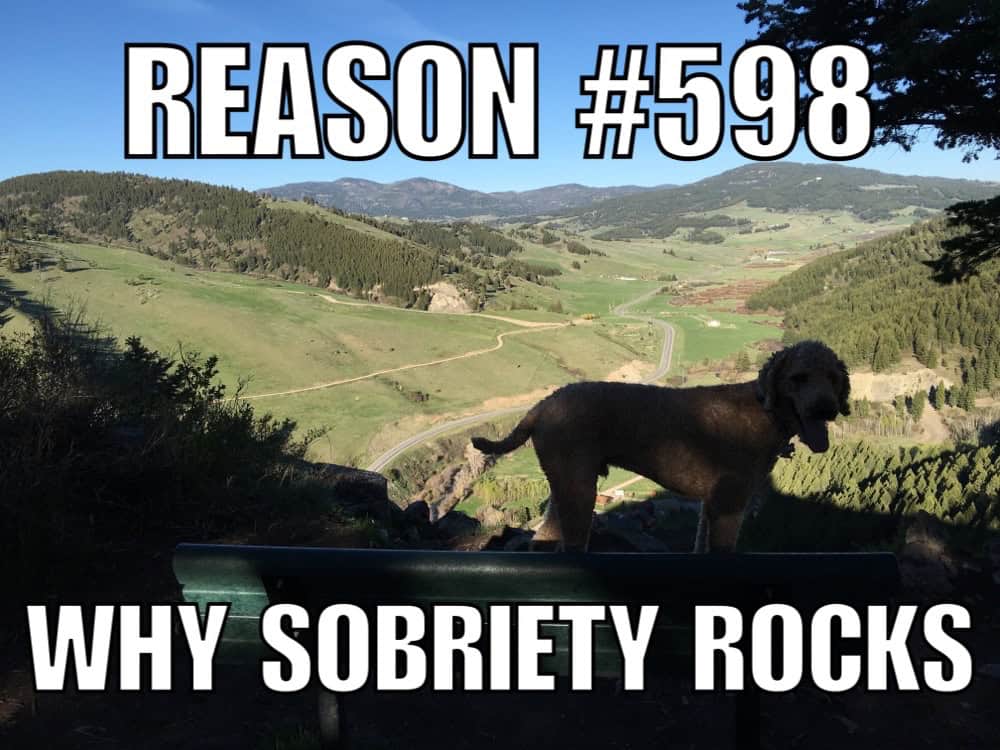
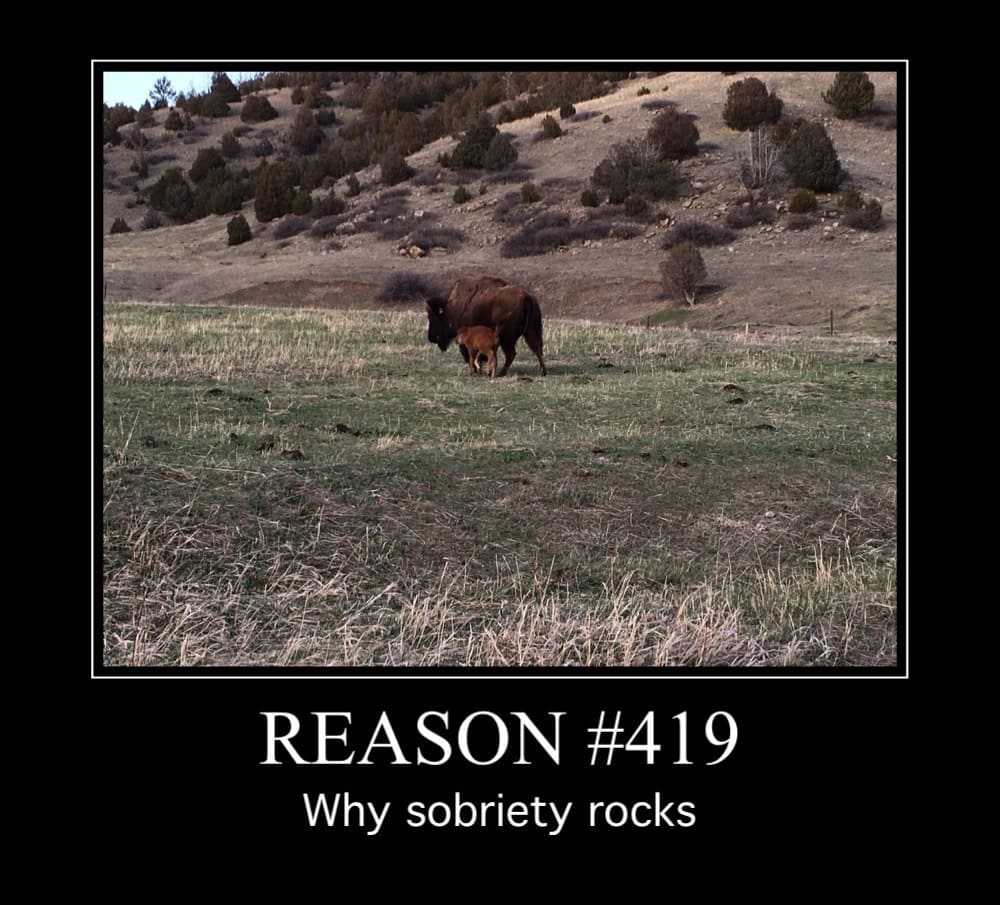
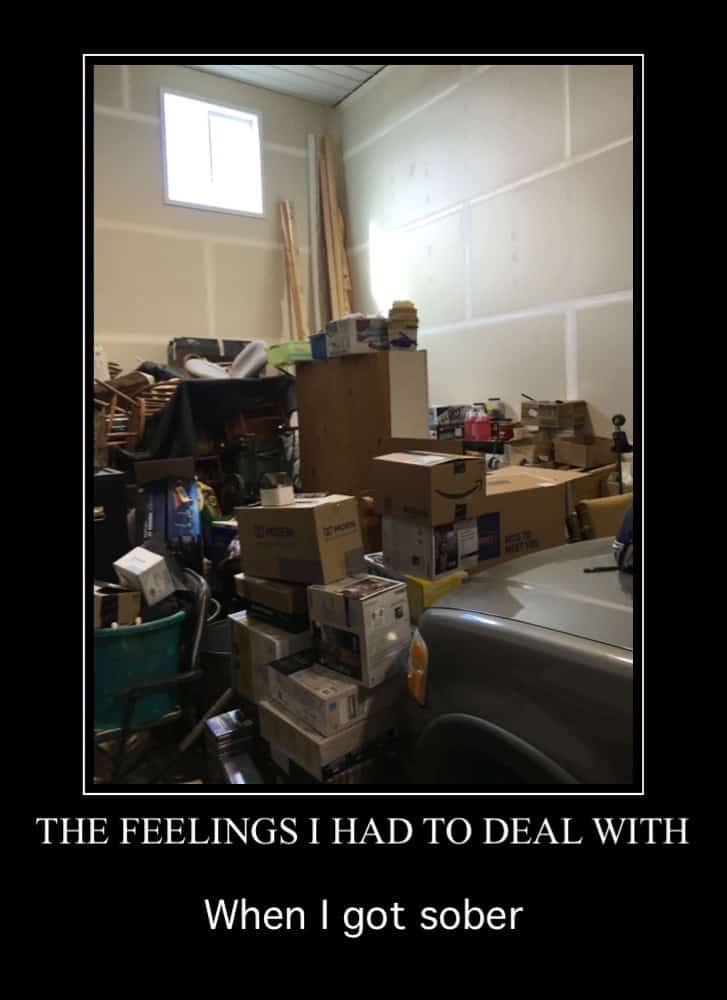
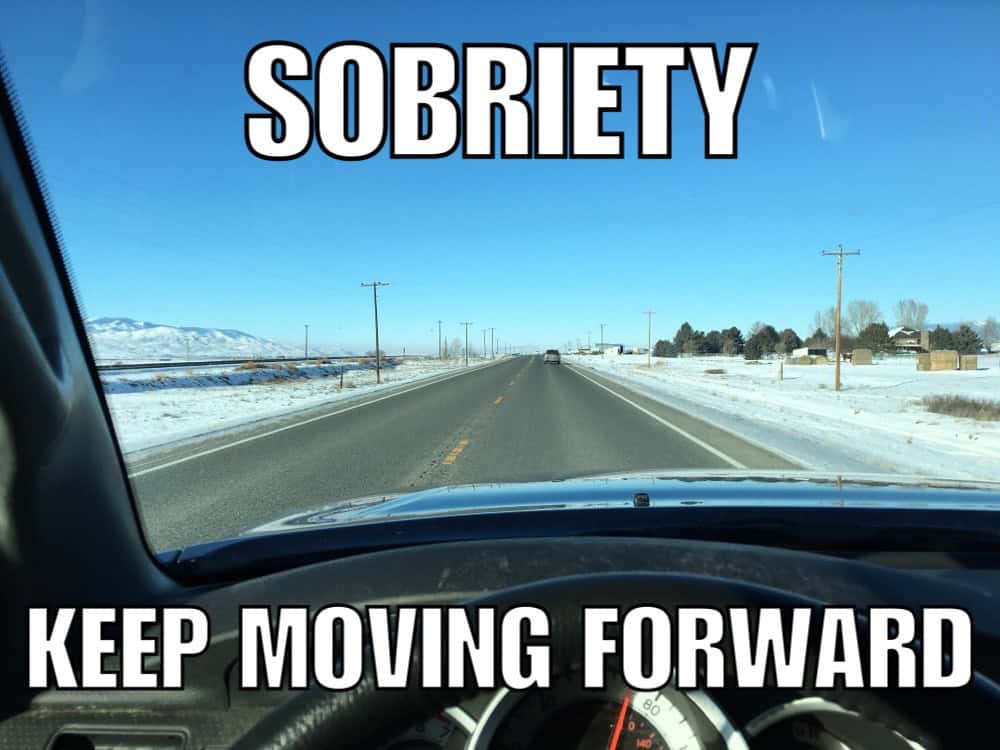
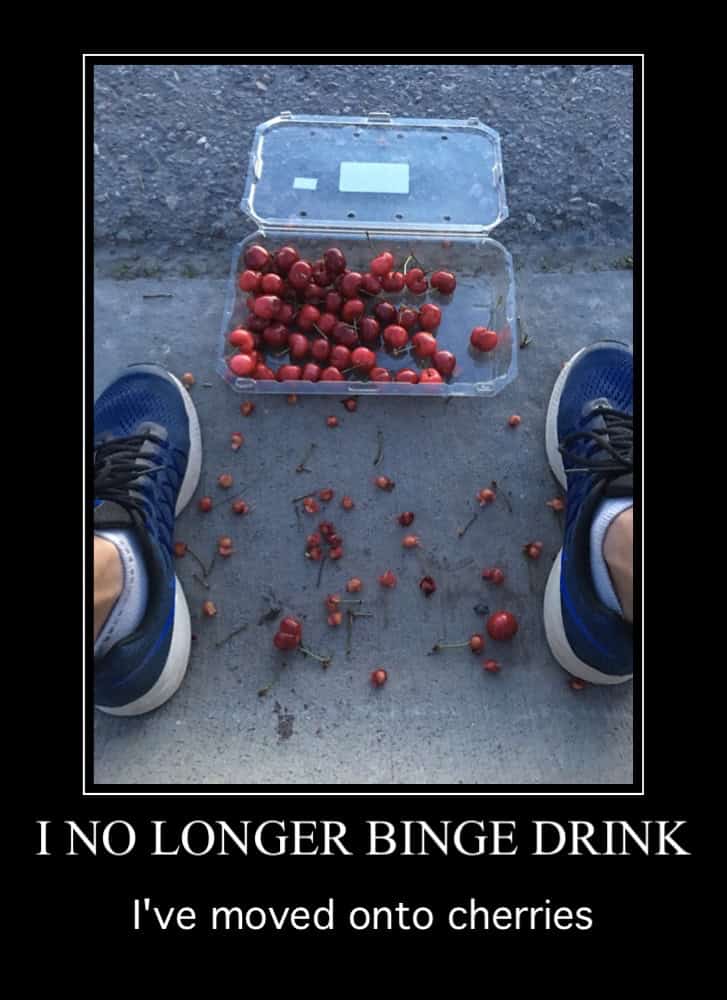
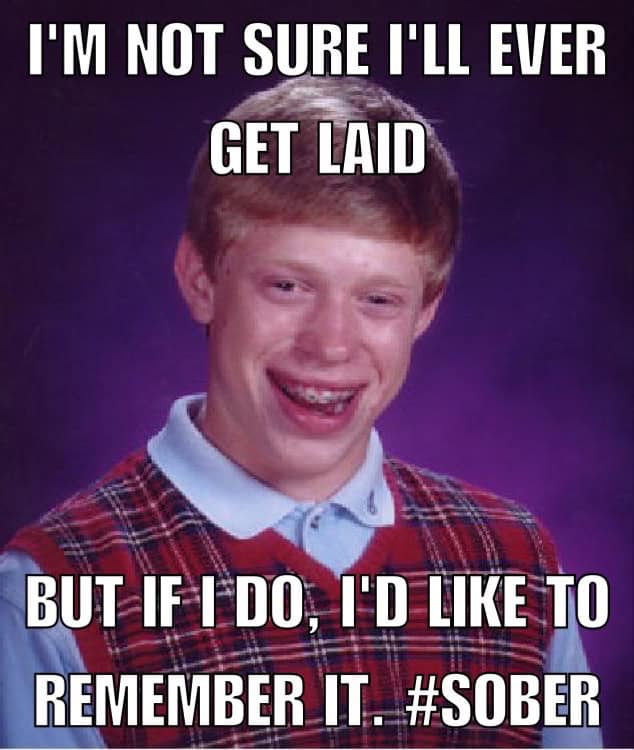
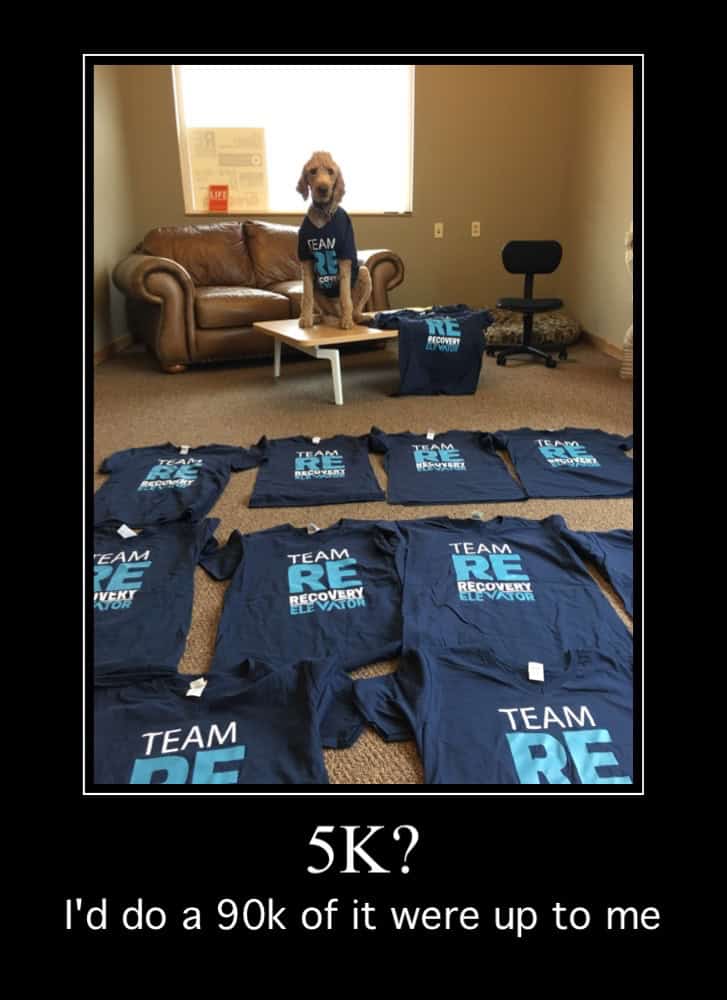
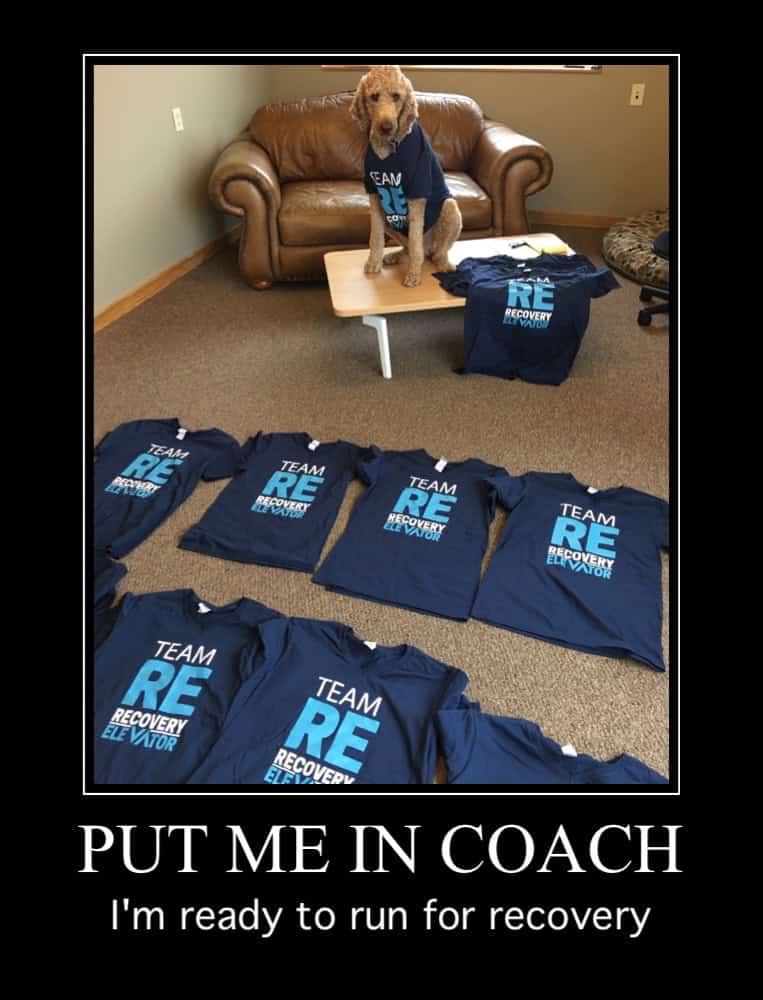
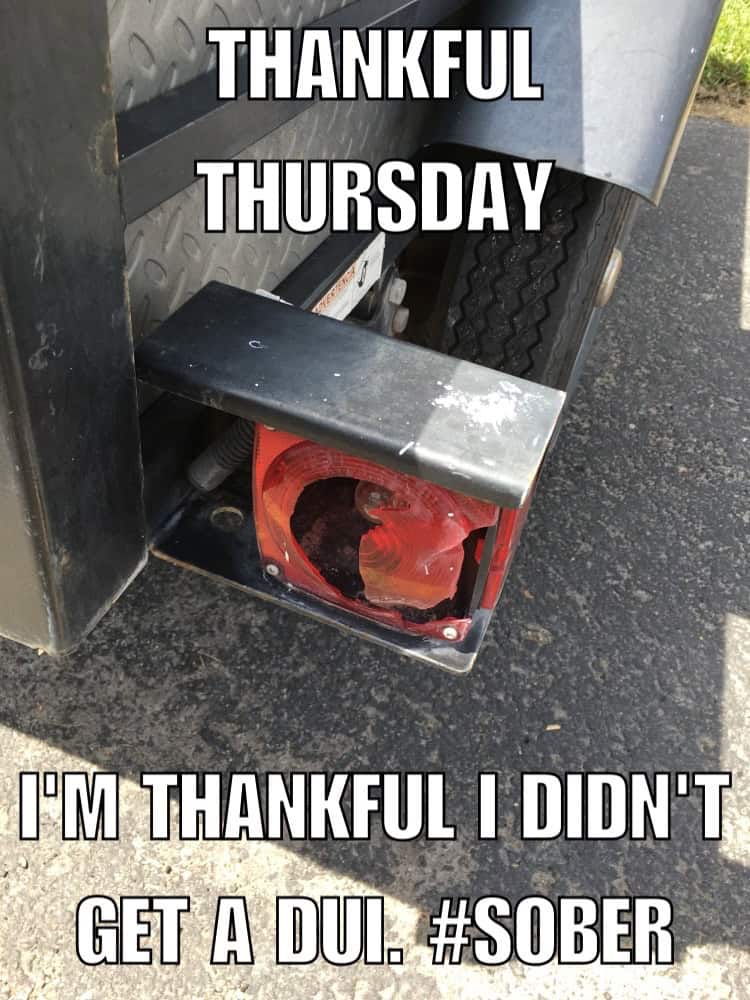
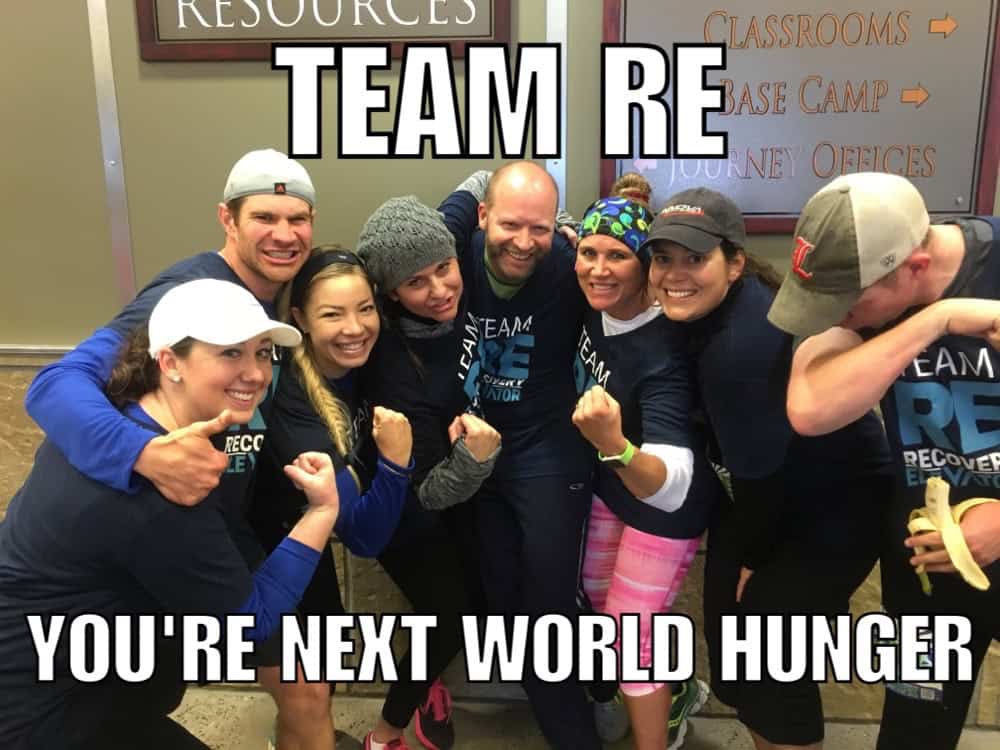
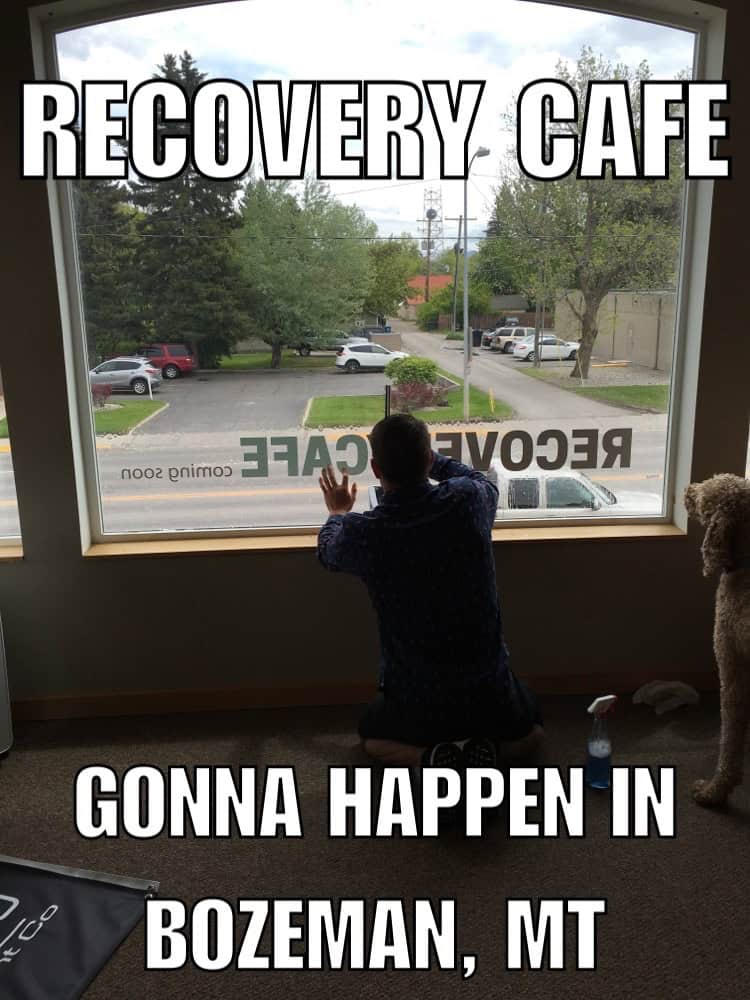
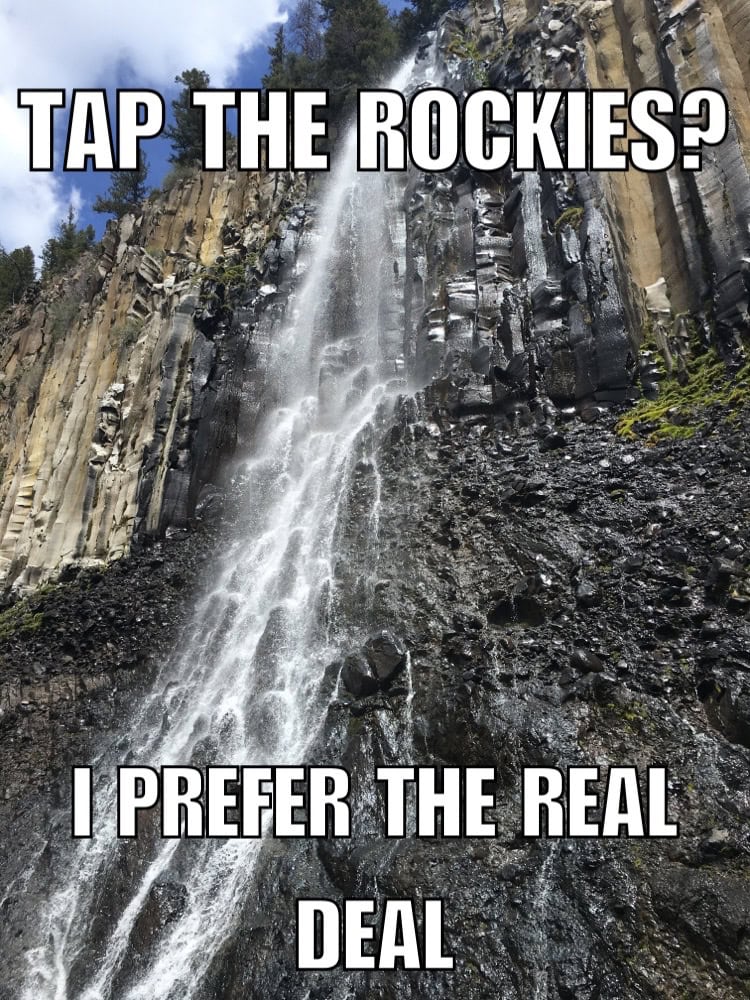
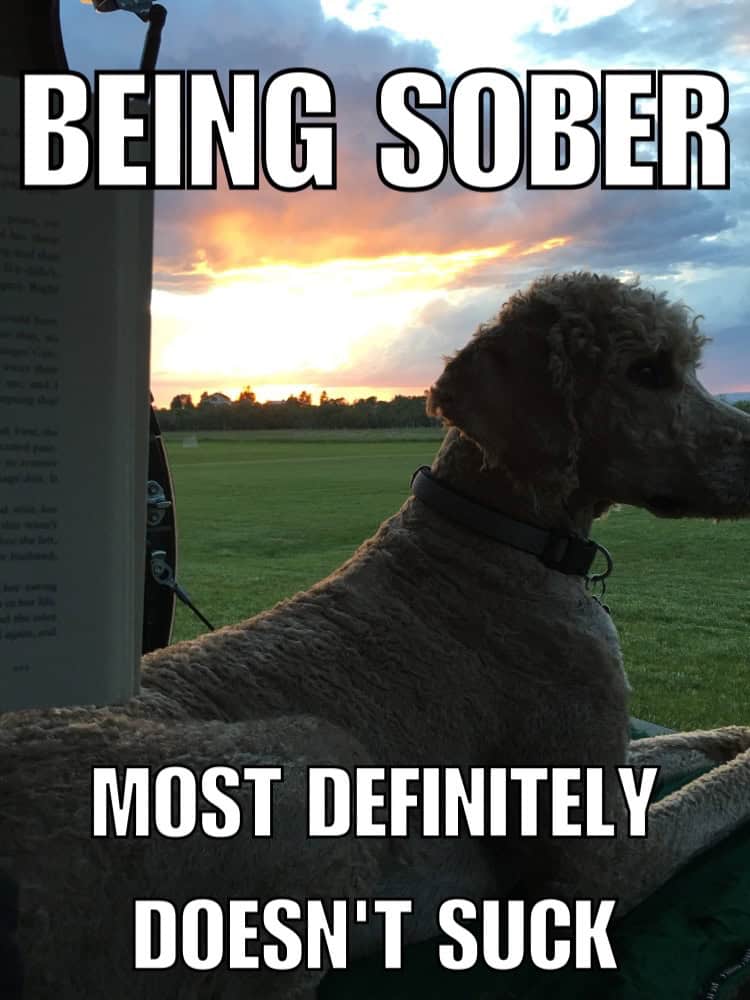

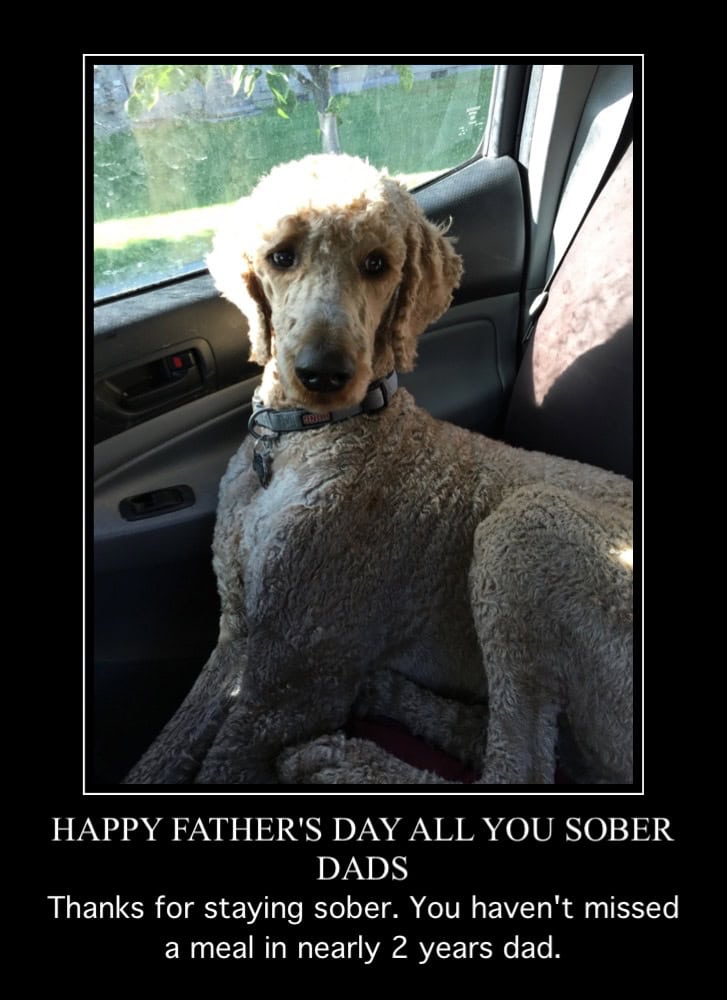
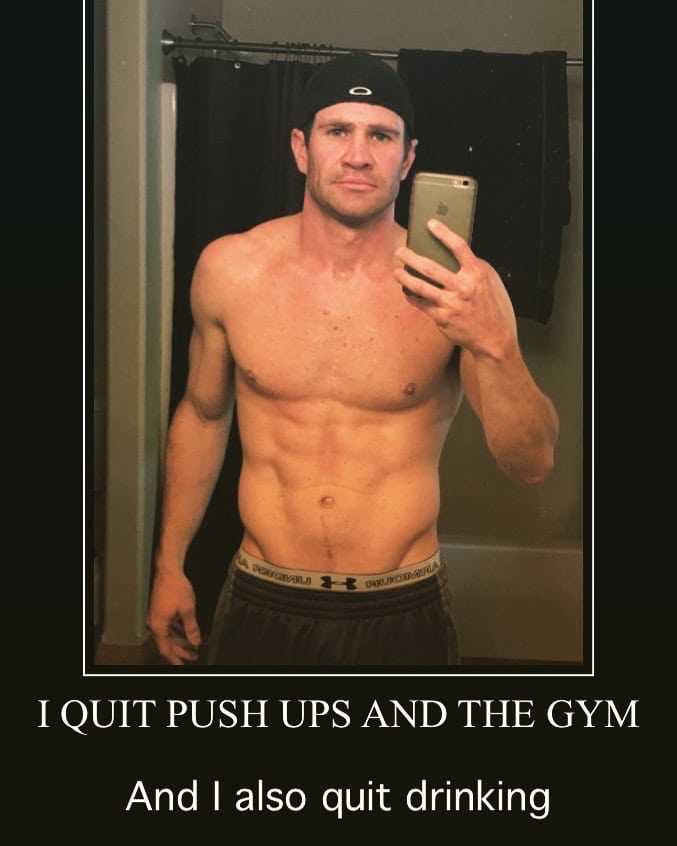
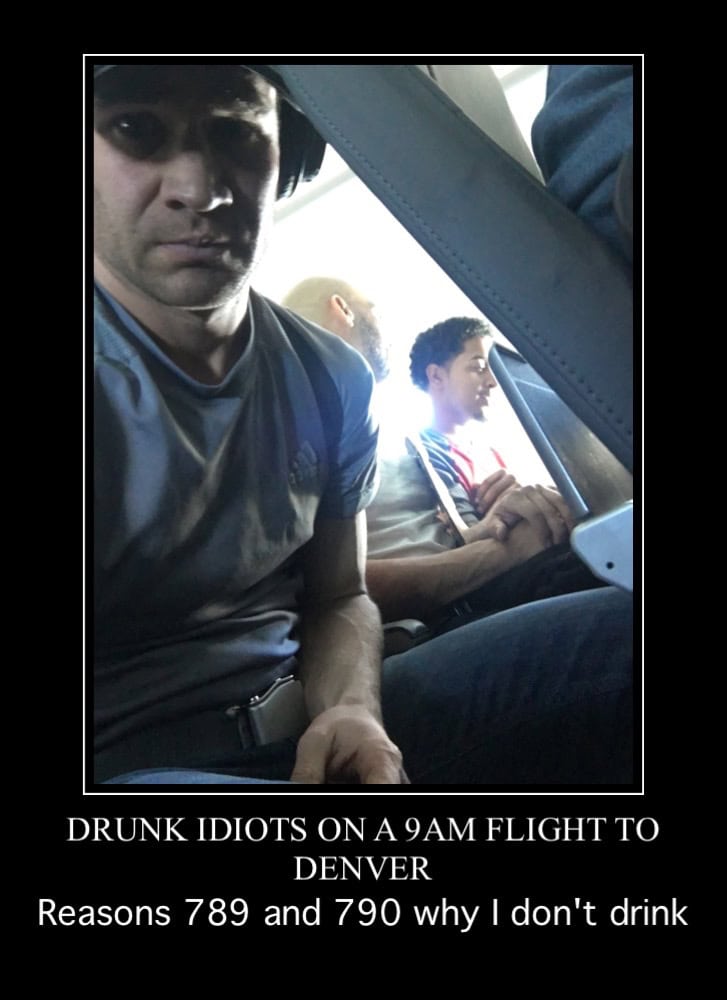
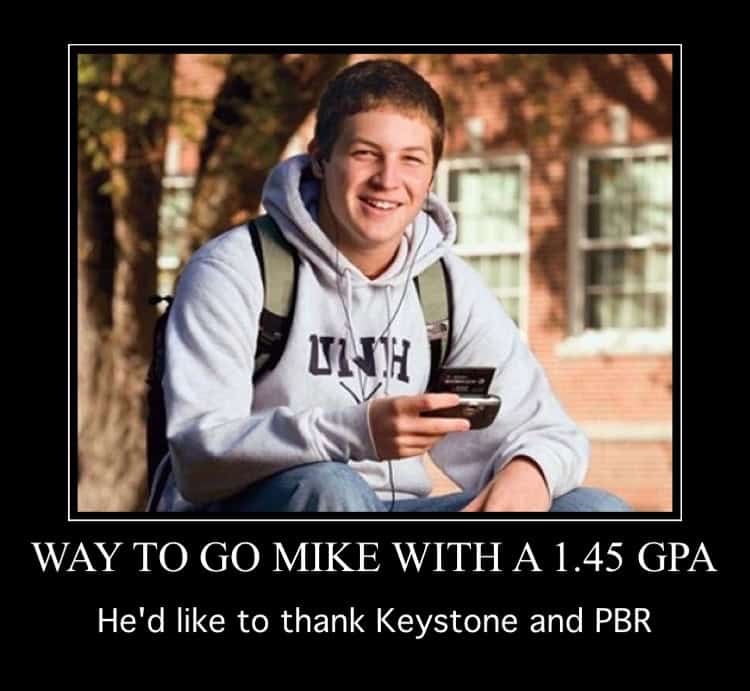
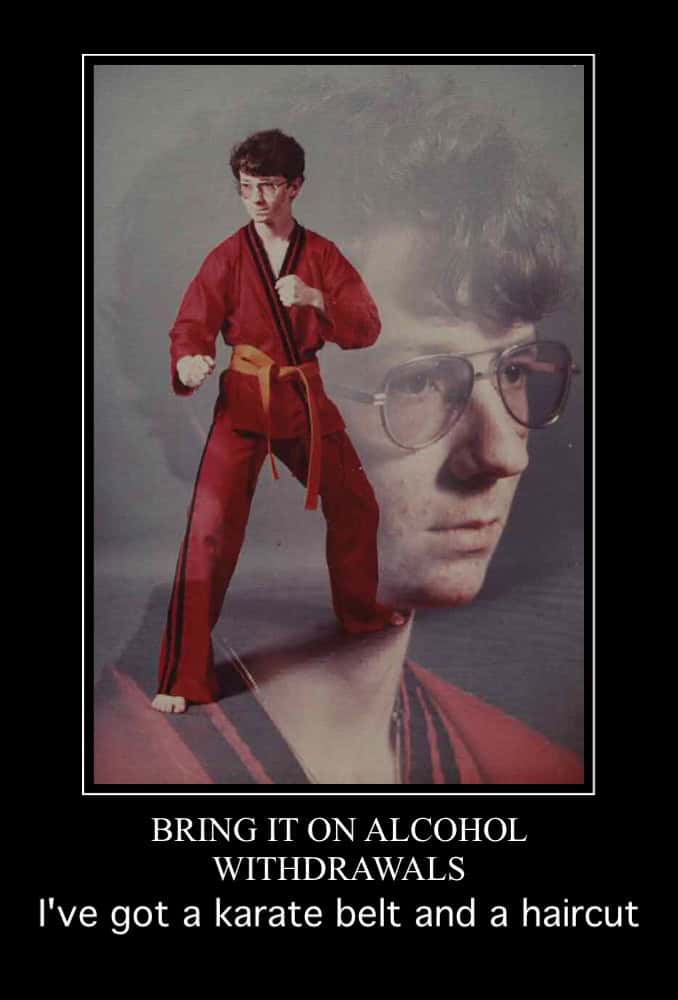


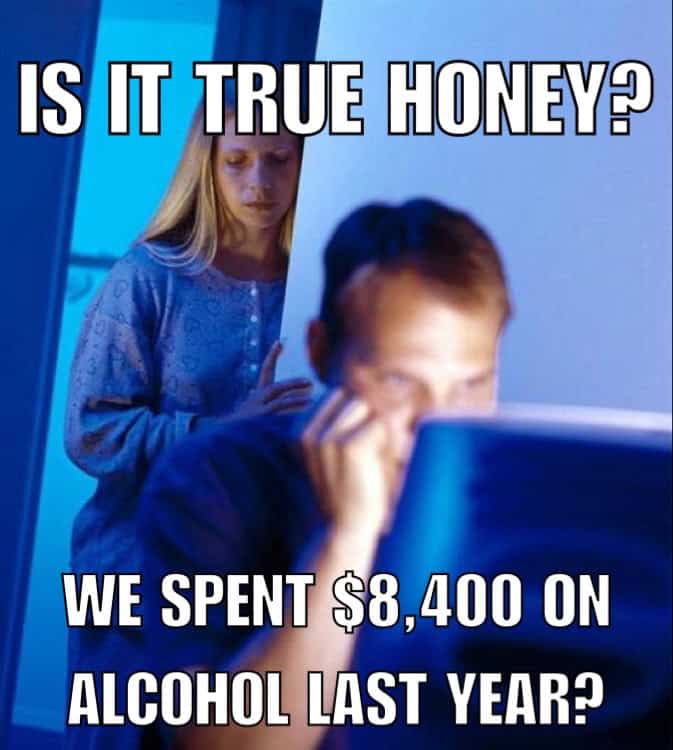
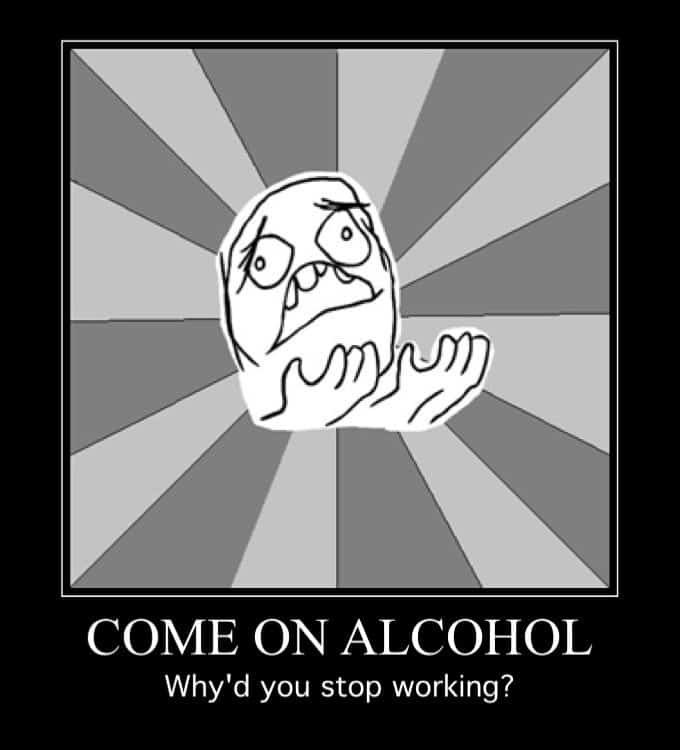

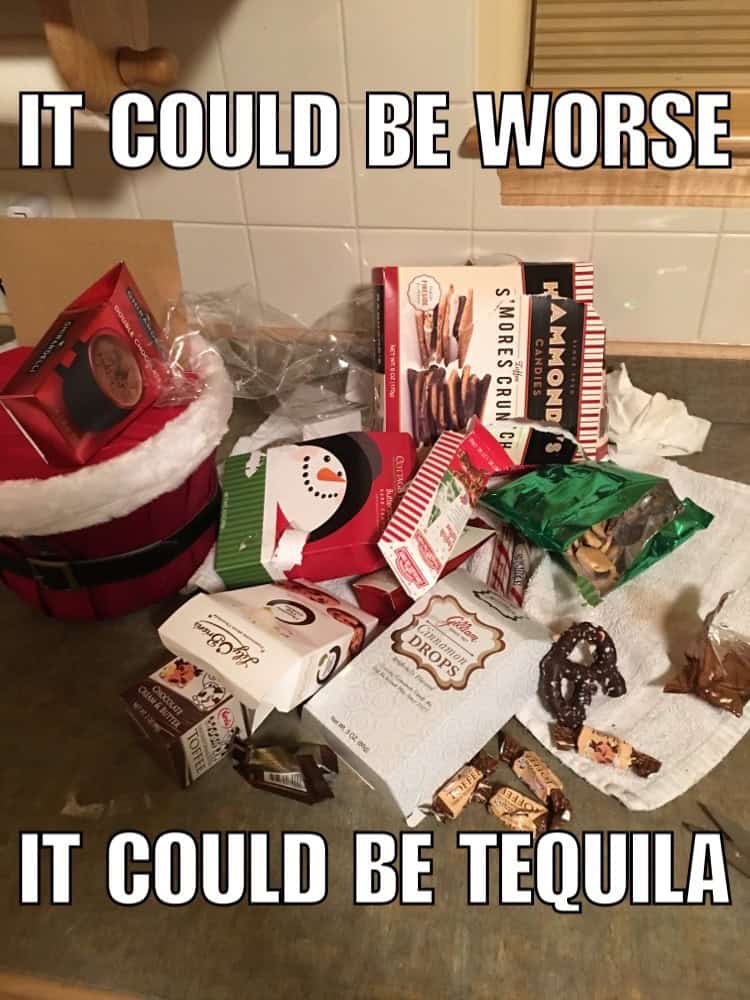
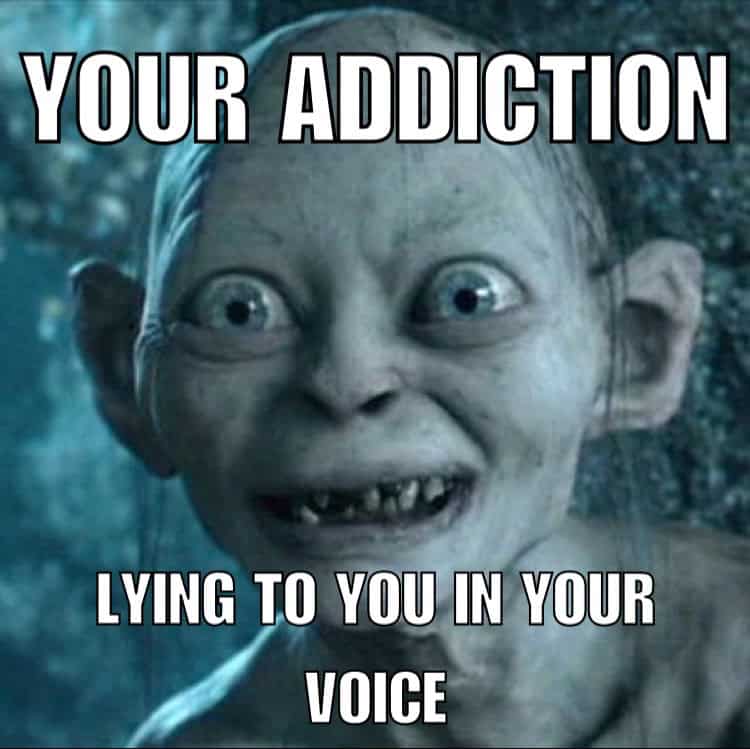
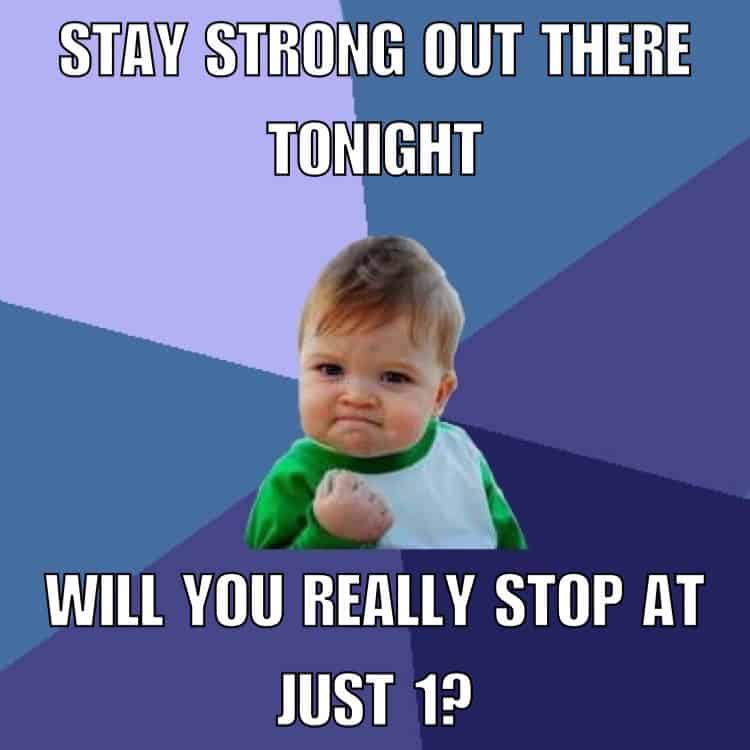
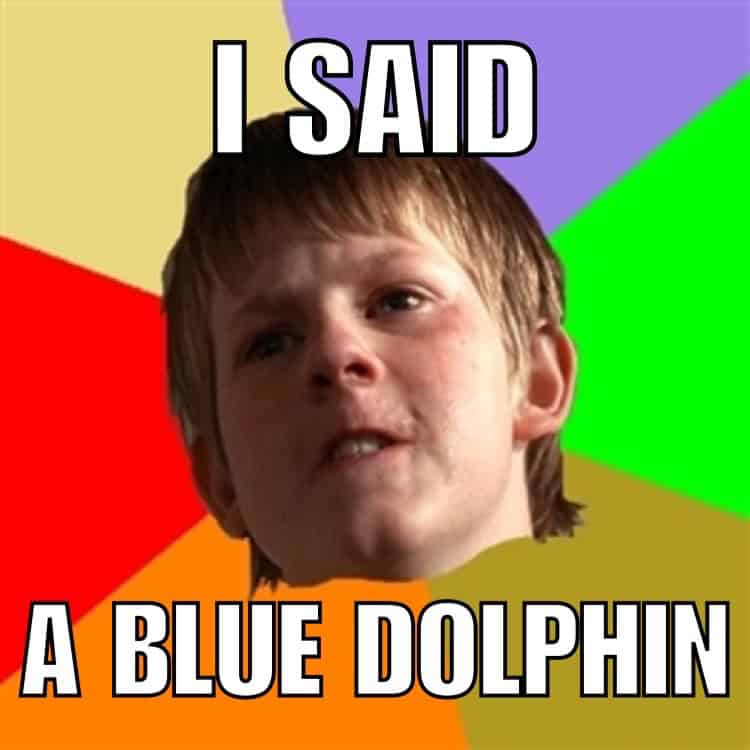
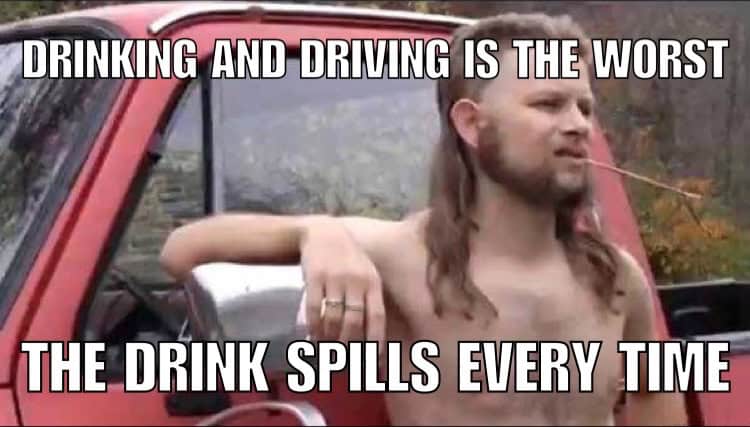
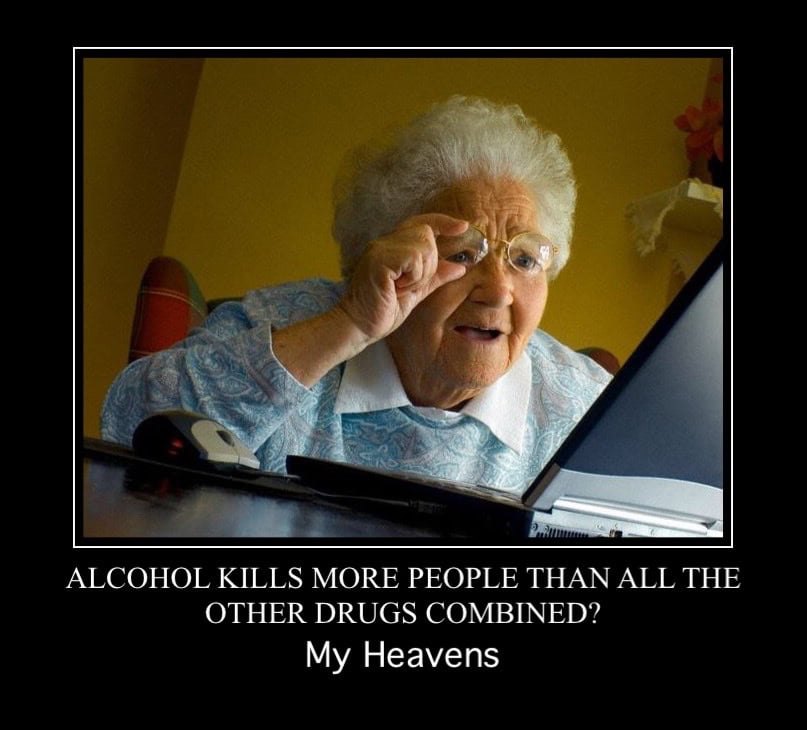
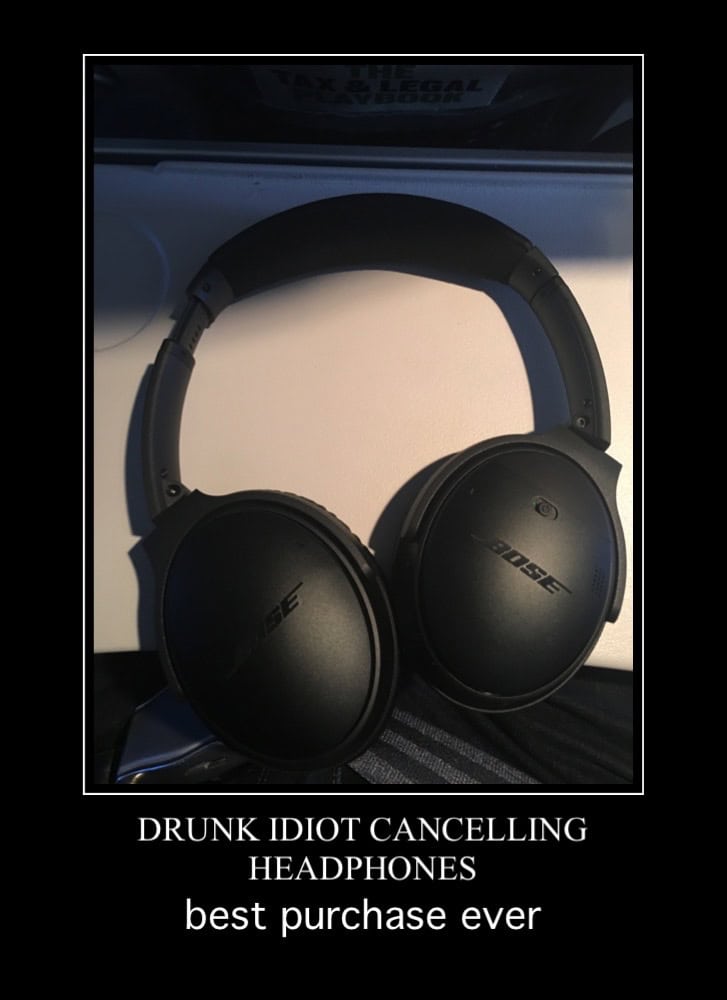
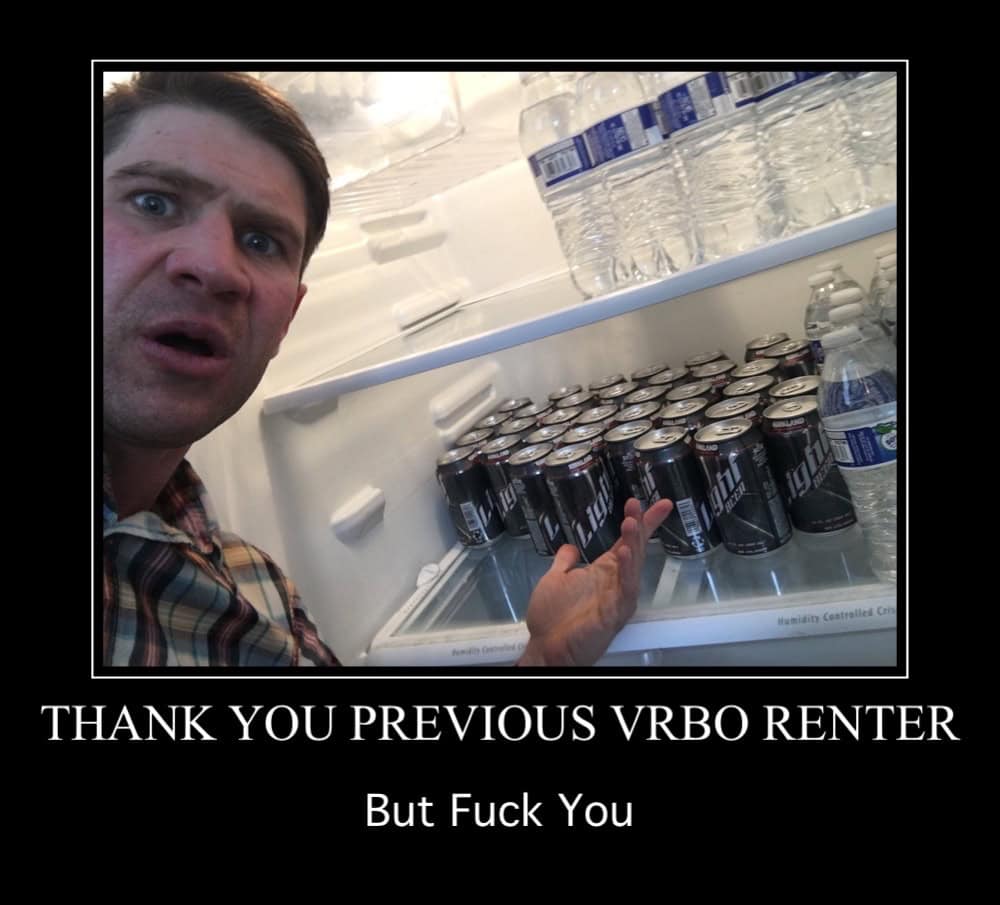
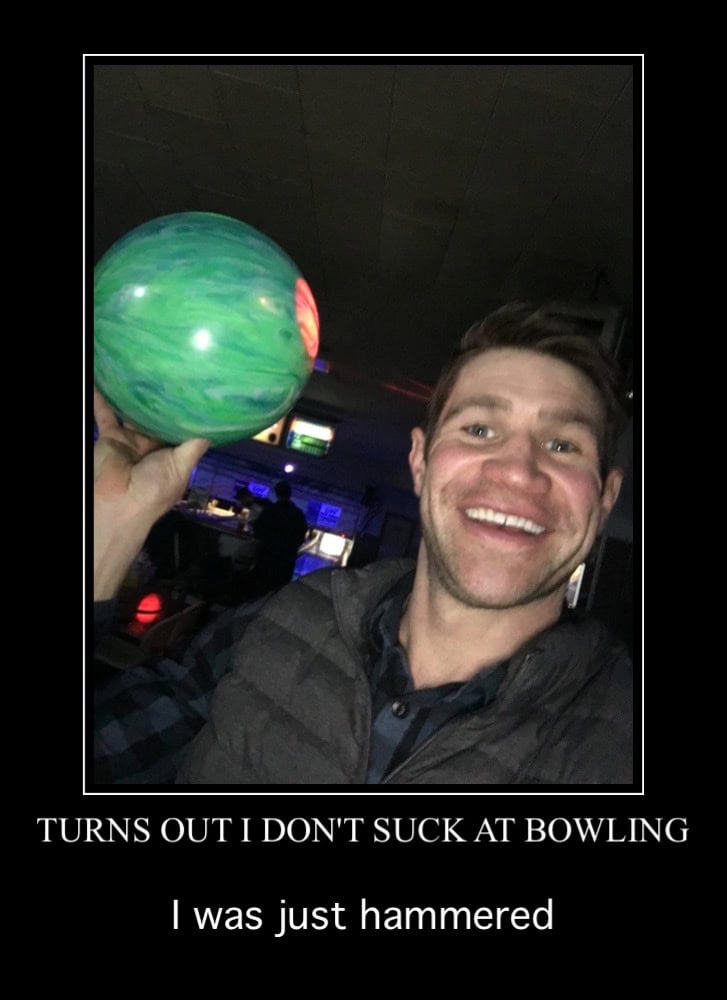

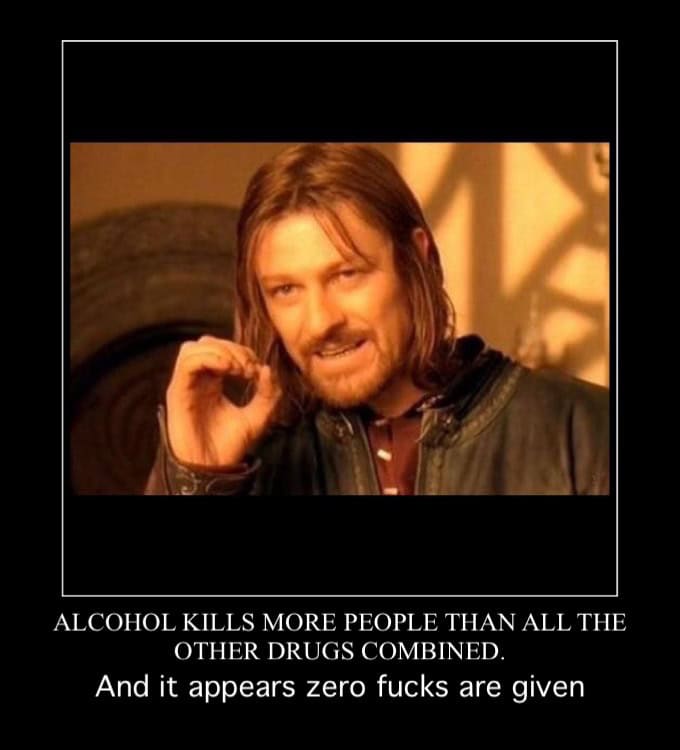
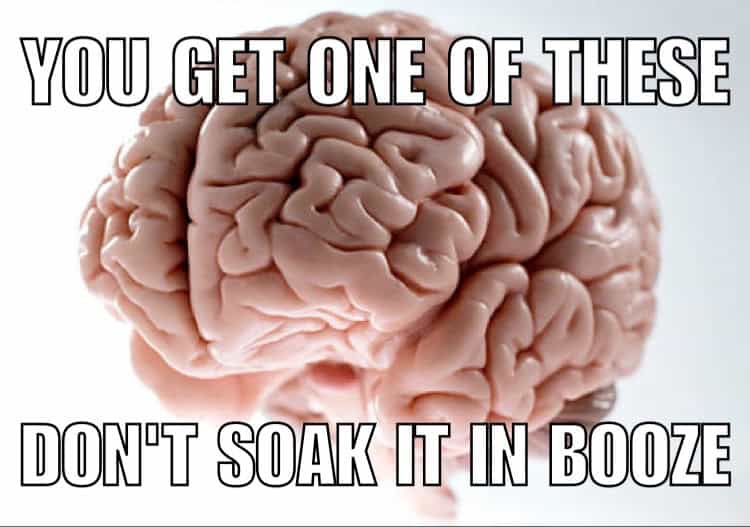
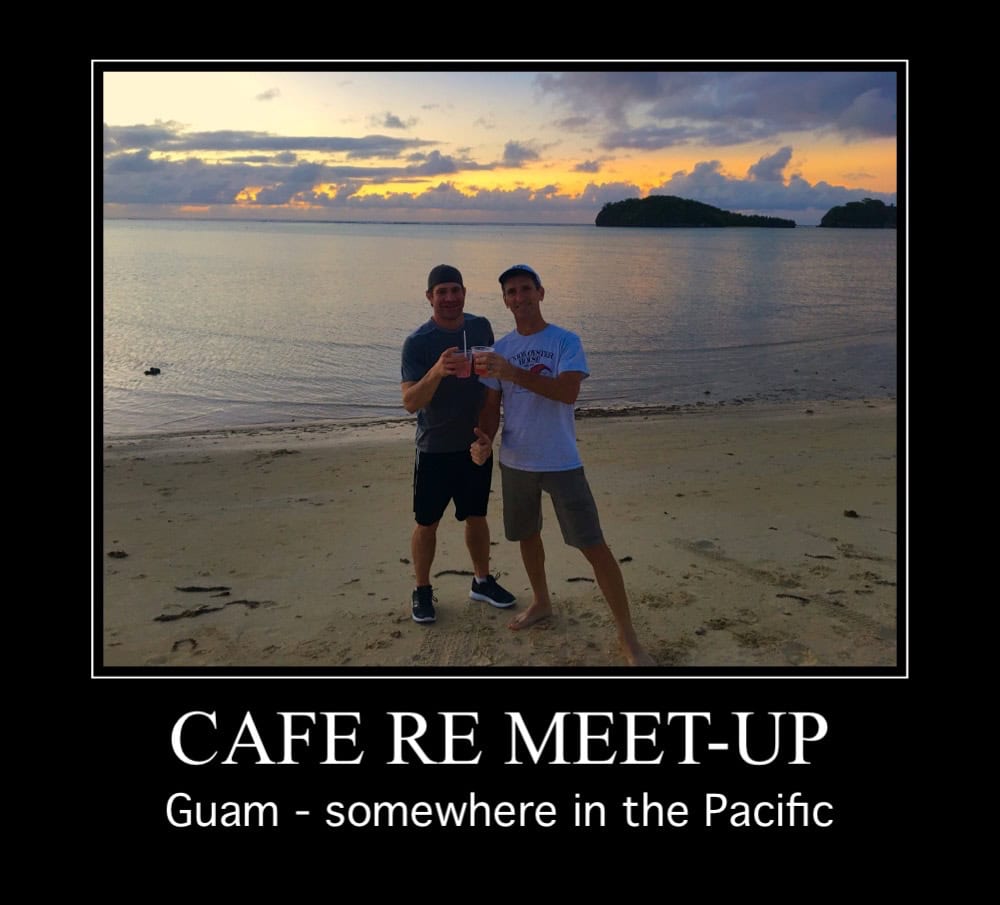
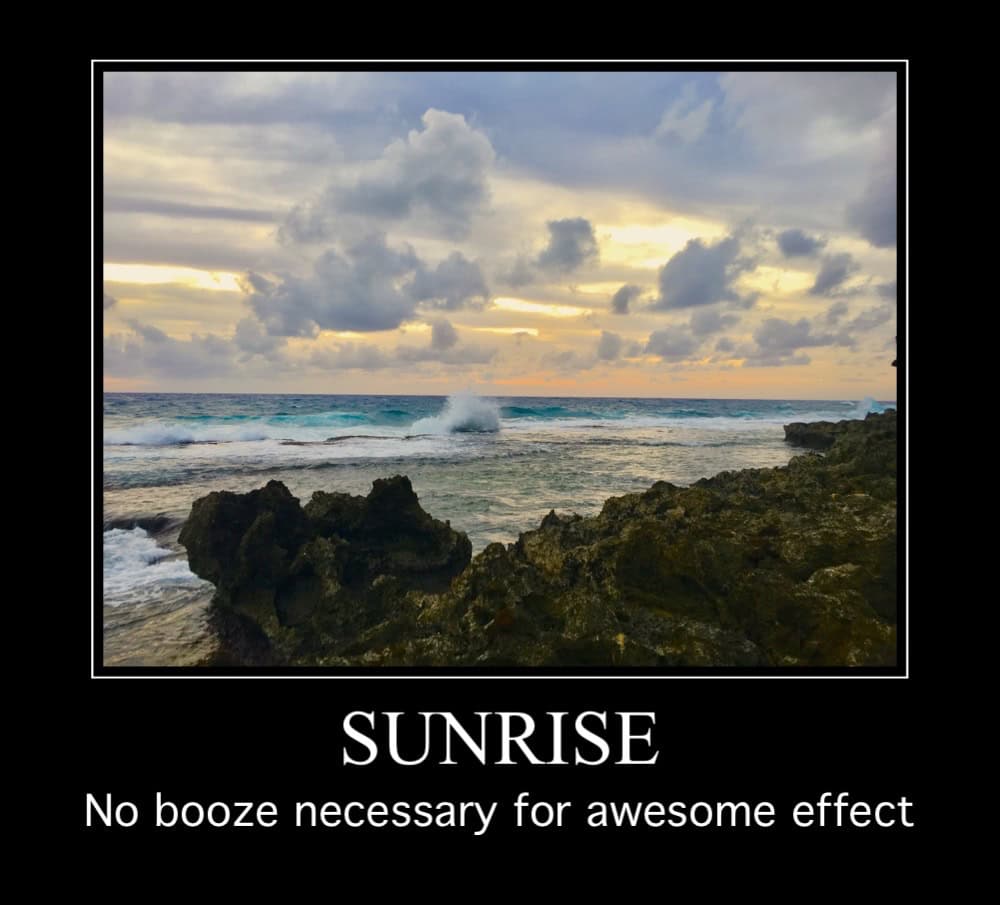
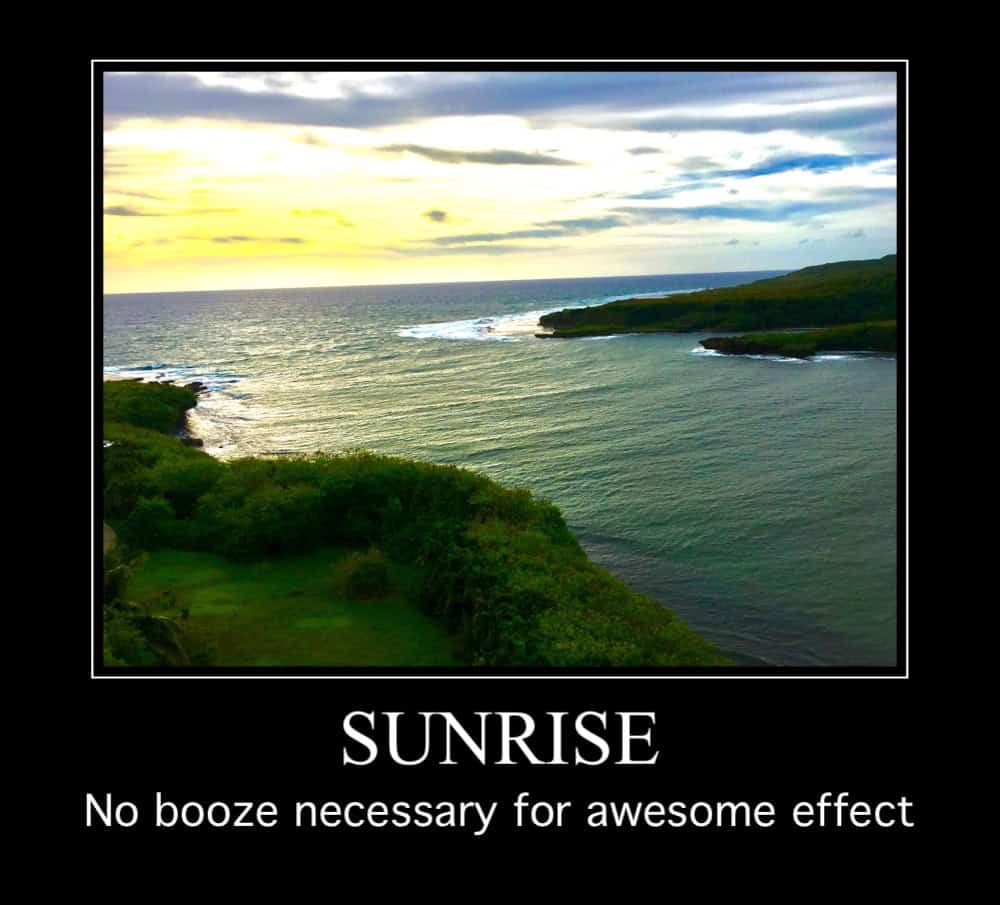
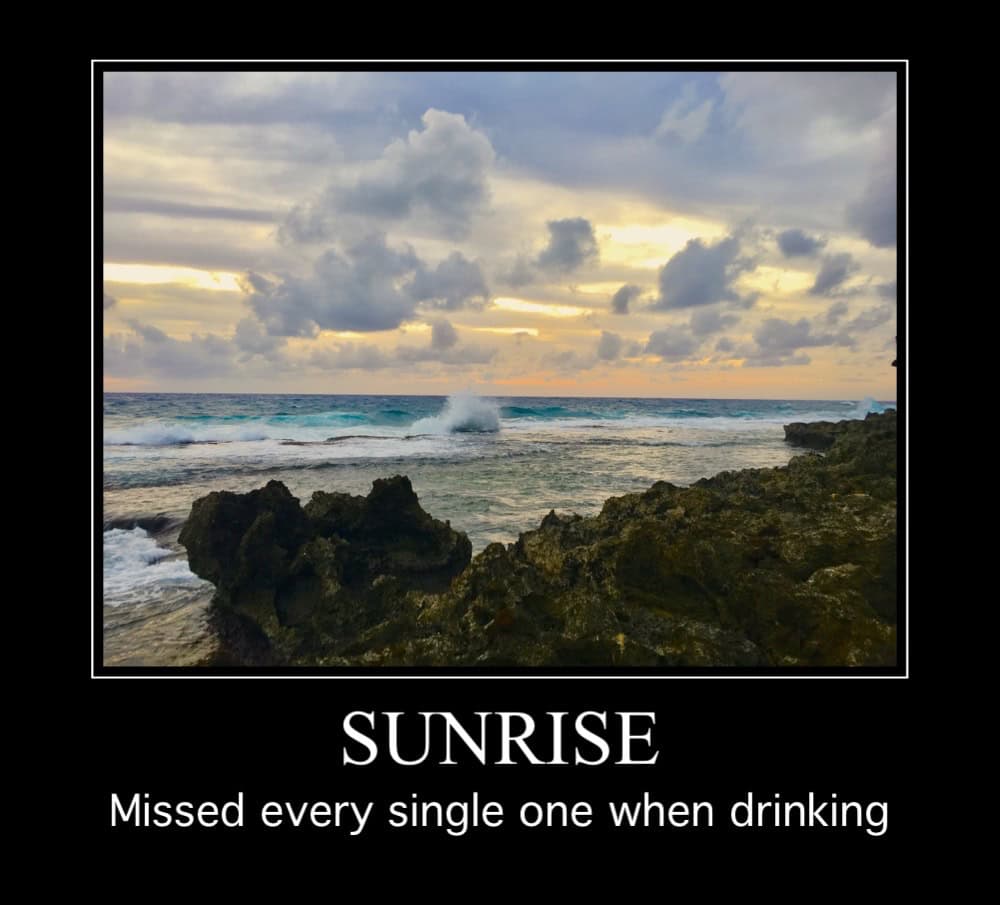
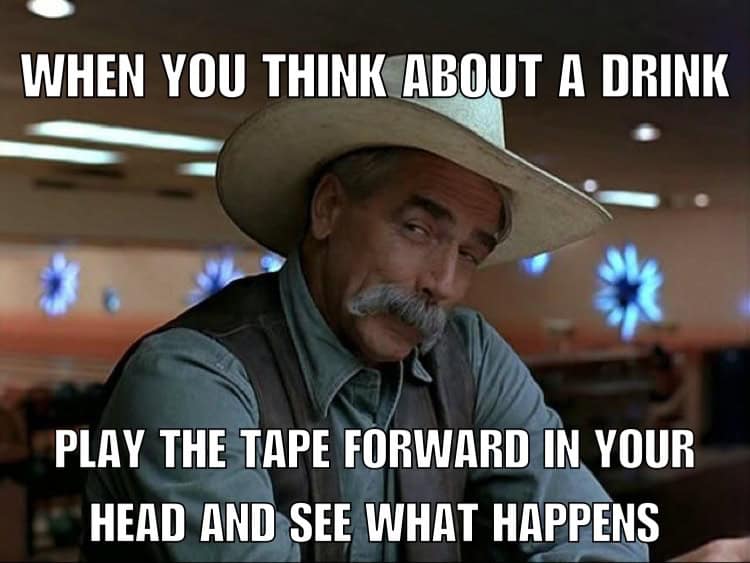
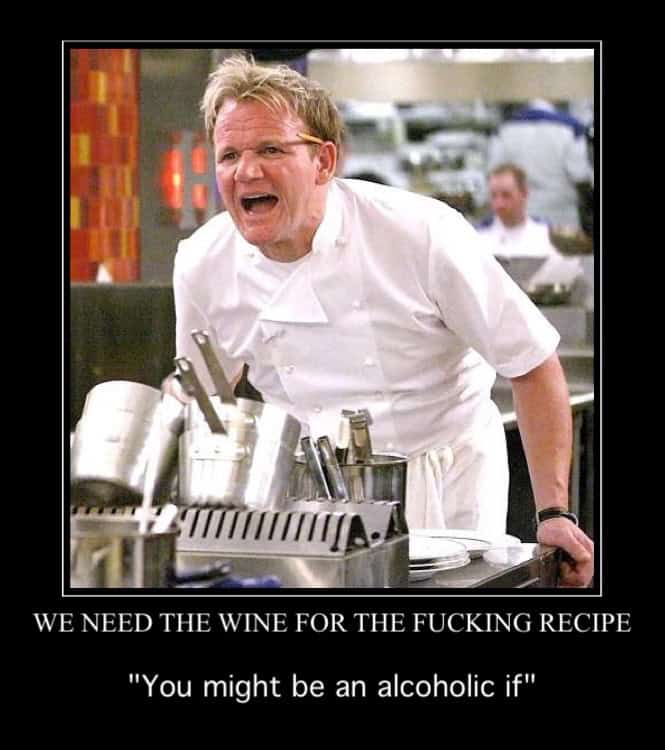
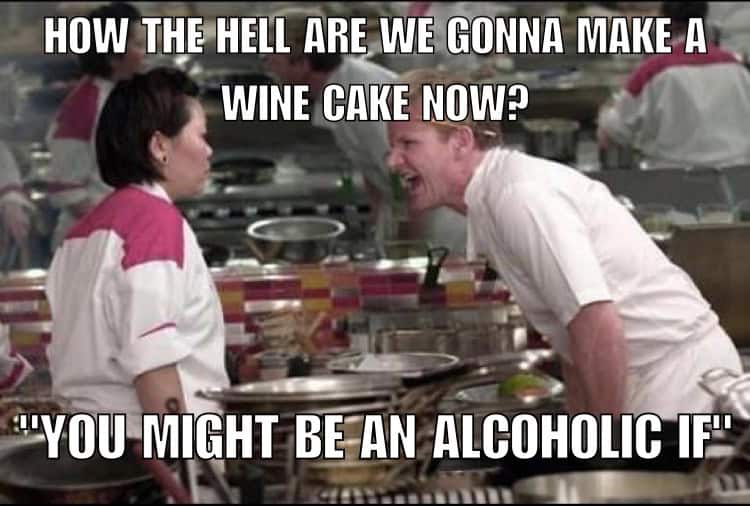
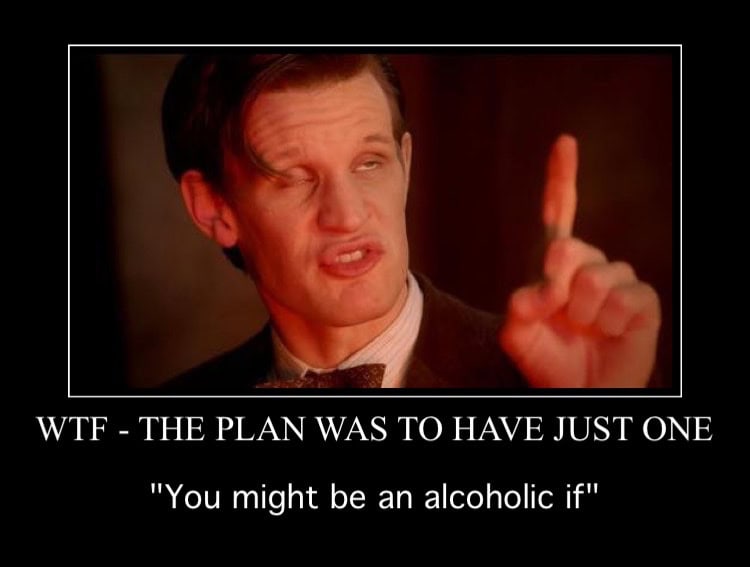
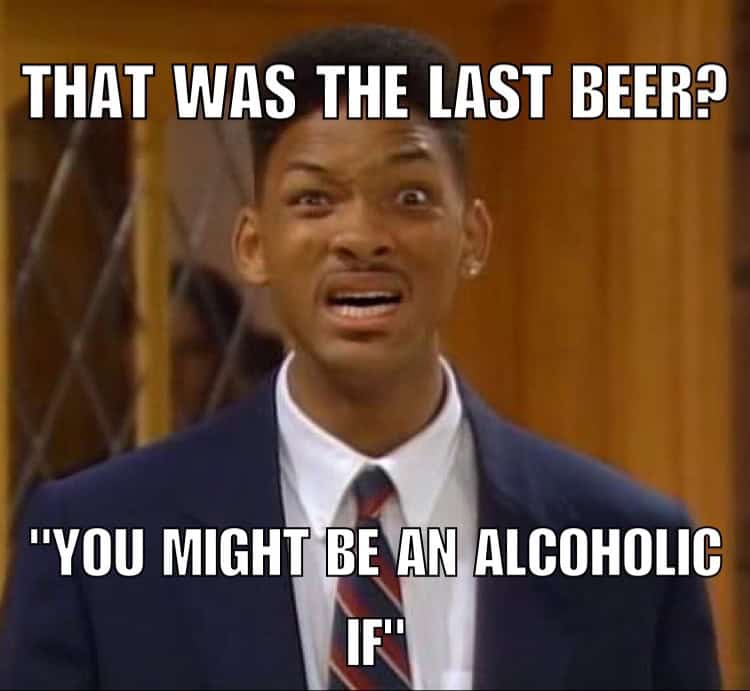
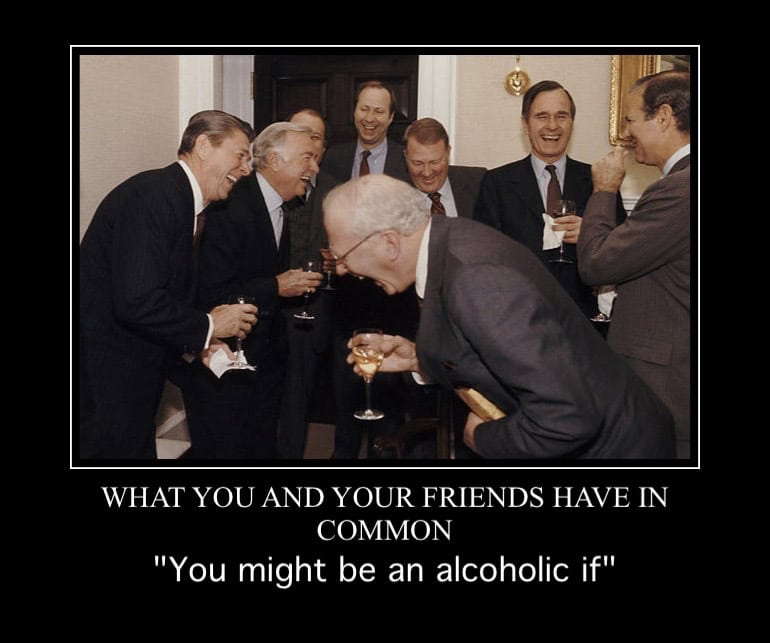
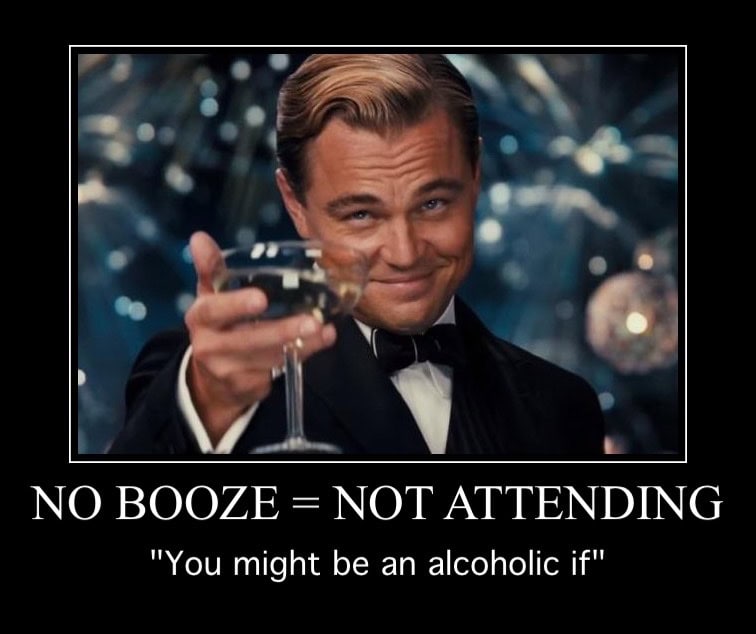
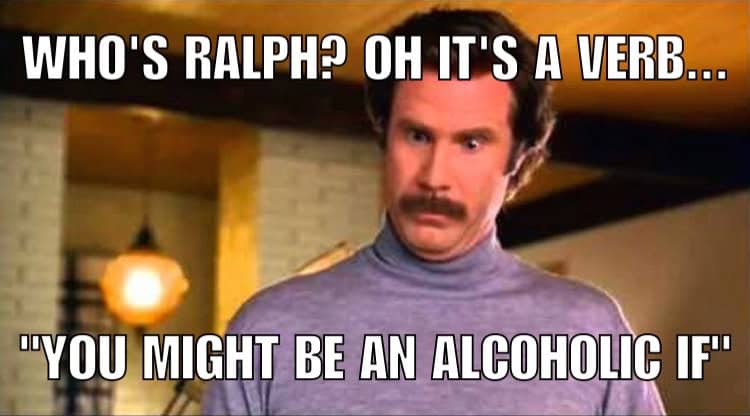
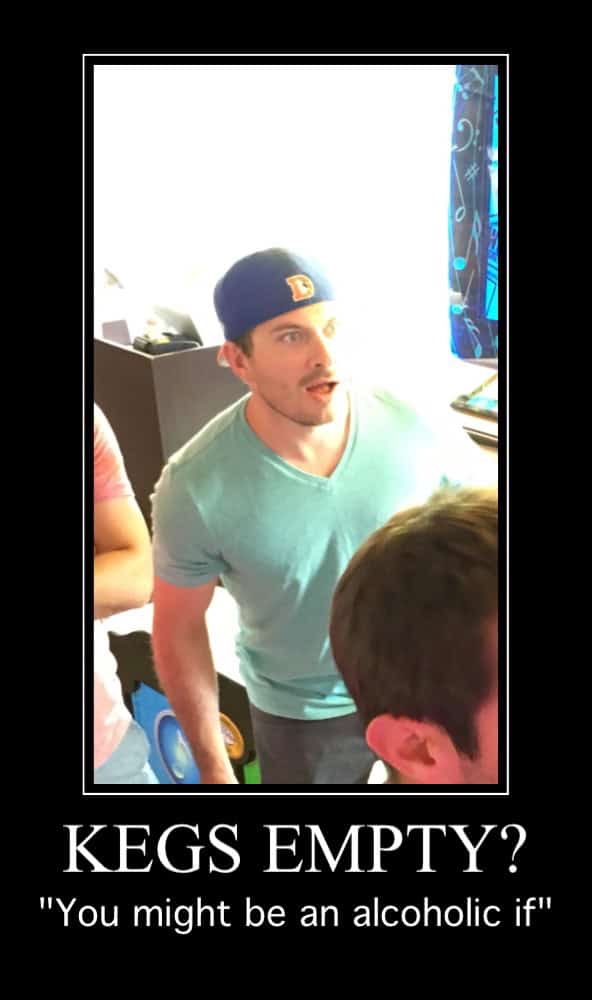
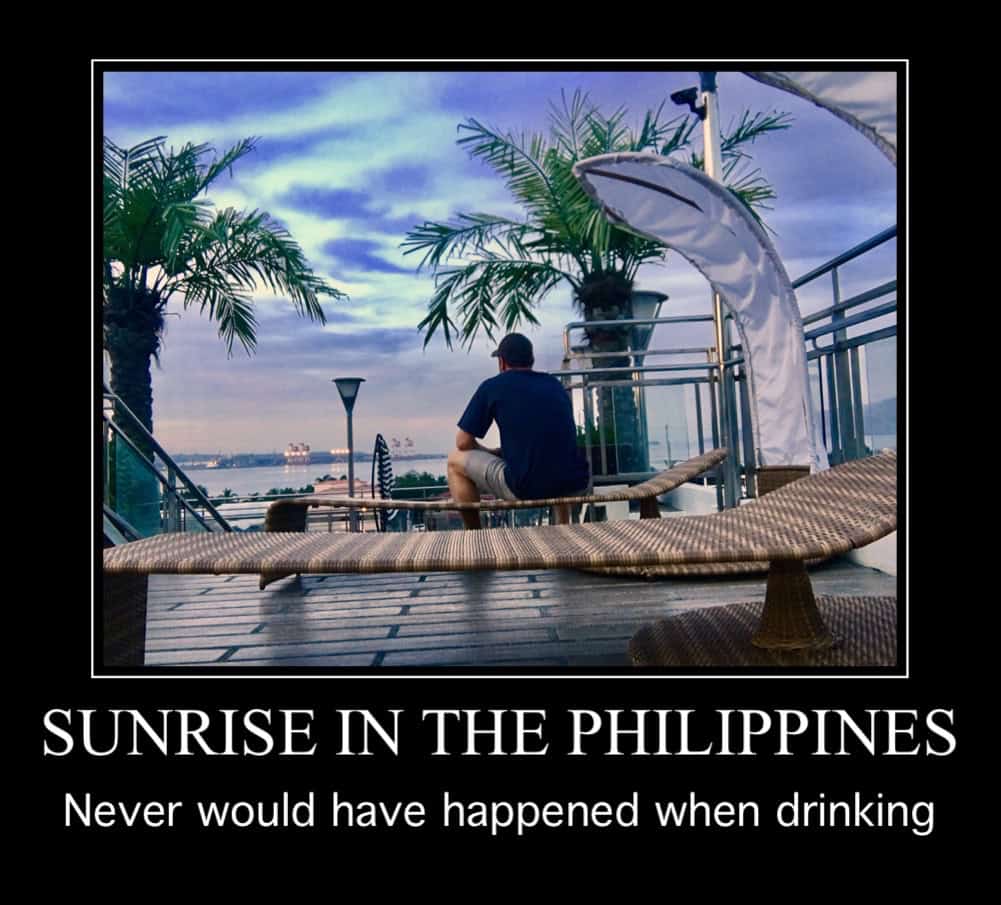
If you have any sober memes you’d like to add, send them to info@recoveryelevator.com. I found a free meme creator on the app store and I started creating memes. At first I thought it would be difficult creating sober recovery memes but once the creative juices starting flowing, I couldn’t keep up with my mind. Memes, although simple in nature, can be a powerful representation of how amazing sobriety can be. If you’re looking to get sober, I recommend downloading a meme app and creating some sober memes. They are a lot of fun to make.
Paul
by Paul Churchill | Jan 20, 2017 | Blog, Early Sobriety, Helpful Tips, The first Year
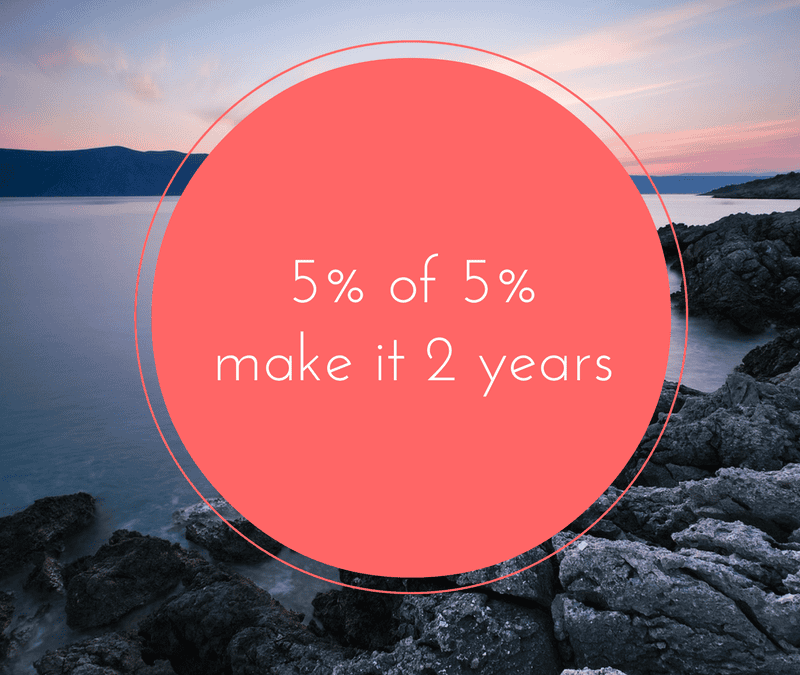
I was in my first 72 hours of sobriety when Paul threw out the stat that only 5 percent of those who want to get sober will make it to 90 days. Of those 5 percent, only 5 percent will make it to 2 years without drinking alcohol. Let’s see… Okay, for every 1000 people who desire to get sober, 2.5 of them will be sober in two years. I’m not shaking anymore, but the acute effects of withdrawal have not left. My mind is in a fog, my skin has pinpricks running throughout, and I have not strung together more than a few hours of sleep in three days. By the time I hear this depressing stat, I realize that the easy fix to my discomfort would be to have a few drinks… and apparently, 1,997.5 people wouldn’t blame me. I’m not getting to sleep anytime soon. Maybe I’ll just keep listening.
I think we all know that hyper-vigilant friend who attaches themselves to a cause. There is the one who can string together why shopping at Wal-Mart is akin to feeding “The Corporate Antichrist”. They are loaded with information about the 6 Wal-Mart heirs making more money than the lowest 42 percent of the population combined. They’ll make a great case for corporation not paying living wages or providing decent healthcare and in turn, how our taxes subsidize government benefits, the services that could be provided by billionaires. If that didn’t get you, they’ll pepper you with the working conditions of the children in Polynesia so that you know the true cost of your three dollar Duck Dynasty tank top. They are not wrong. They have done their homework. In fact, you are persuaded to the point that you feel ashamed, stop shopping at Wal-Mart for a few days, and maybe even clumsily repeat the stats to a non-intellectual so as to stroke your newfound sense of self-righteousness. Problem is, within days those facts went fleeting. While appalled, you were not as committed as your friend. Your habits did not include the same degree of rigorous study, and in a moment of consumer relapse, you’re pulling once again to the parking lot ready to make an offering to the “Temple of Social Injustice”. You deny your first impulse to think it through. You certainly do not want to call your friend so he can feed you additional information. Let’s not ruin the day by feeling bad about making the easy choice. Besides, the sun is out and your guns are gonna look sweet in that tank top.
Yes, I am taking a dig at Wal-Mart. Pick any cause though… If we put the effort into learning about factory farming and the mistreatment of animals that are our food source, we would cringe and give pause to the effects of our consumption. Find out a few more facts about the mortality rates of the workers who assemble our smartphones and we are confronted with moral choices. The truth is, when it comes to these issues, we shop, consume, use, and abuse as a means to survive. We use the littlest amount of thought to procure the food, clothing, and technology to communicate. It is the basis for survival and we let the lizard portion of the brain do the thinking. Ease and value compete against taking a more difficult, long term approach that benefits everybody.
Now let’s be honest. How many of those inspirational, uncompromised, hyper-vigilant, cause oriented, intellectually sound, unwavering social renegades do we know? Not that many. Most of us slowly go the way of the buffalo which makes the impassioned moral minority pretty easy to spot. That minority friend, whatever their cause, is the rare bird that continually absorbs information, which in turn, informs their actions.
I was pretty discourage with that statistic that Paul relayed over my headset that night. I had no false sense that I was going to be in that minority of the first 5 percent, let alone in the second 5%. If I was involved in this human experiment called sobriety, there was no indicator from the last 10 years of alcohol abuse that I would succeed. I was all impulse and little intellect when it came to using alcohol.
I am close to 40 days sober. I have just gotten current with Recovery Elevator podcasts at episode 99. I started at Episode 00 and listened throughout the 40 days straight through. I am so thankful for the wealth of information and experiences that have been shared on the podcast. There is such a diverse amount of helpful experience in sobriety on the show. As I reflect on what might be the common source of success in everyone’s personal recovery program, it’s that the sober alcoholic is continually feeding the executive center of their brain. The AA attendant gets information and advice from a group share or a big book. The self-employed travels in a car with a podcast in the background. A mom finds a group to confide in and have a source reminder of a difficult past. Someone struggles with temptation, they get immediate advice from a Facebook Forum. In quiet times the recovering alcoholic finds books, websites and blogs. Information.
I do not have a rigid program for sobriety. My goals are to be 100% honest with my wife and accept her help, insight, and accountability. Second, it is to reprogram my doublemindedness with helpful and encouraging information daily. If the lizard portion of my brain is the quickest to respond and tell me that I need a drink to survive, I want the part of my brain that controls reason, behavior, and executive decision making to be full and ready to Giving Up Alcohol. I think it takes community and positive information.
At my core, I know who I am. I shop at Wal-Mart. I eat fast food. I own an IPhone. I am an alcoholic.
Ultimately, I want to be that annoying, hyper-vigilant friend when it comes to my alcoholism, but I now understand why so few will make it. The same impulse to eat, commune, and provide shelter the easiest way possible is the same impulse that beckons me to take that first drink. The difference today is, I understand that drinking is not a means for survival. It wants to destroy my future.