Recovery Elevator in Morocco: March 3–13, 2027 — SOLD OUT! 🎉 To join the waitlist, email info@recoveryelevator.com
Sober Travel Morocco
You quit drinking. Now it’s time to start living.
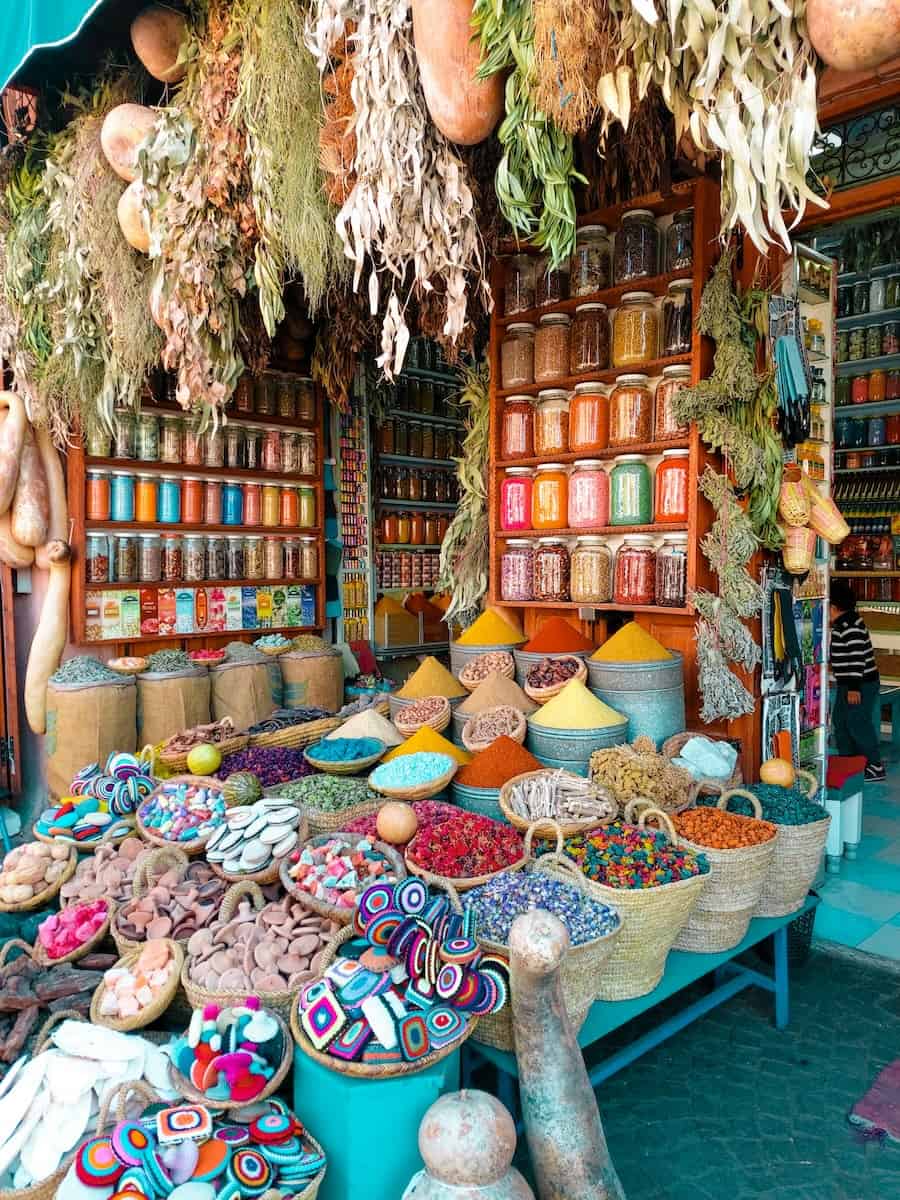
Eleven days in one of the most extraordinary countries on earth. Marrakech’s labyrinth of souks and spice-stacked medinas. The silence of the Sahara Desert beneath a sky so full of stars it doesn’t look real. The blue-washed alleyways of Chefchaouen tucked into the Rif Mountains. Ancient kasbahs, Roman ruins, and a foodie night tour through Jemaa el-Fnaa that will ruin you for all other street food, in the best possible way.
This is the Recovery Elevator Morocco sober retreat. It is fully alcohol-free, expertly guided, and built around one simple truth: the opposite of addiction is connection. And there is no faster way to connect, with yourself, with others, with something bigger, than to step out of your ordinary life and into something like this.
Recovery Elevator has been leading alcohol-free travel experiences since 2017, the OG of sober travel.
THE DETAILS
Dates: March 3–13, 2027
Duration: 11 days / 10 nights
Start and End: Marrakech, Morocco
Price: $3,095 per person (shared accommodations)
Single Supplement: +$725 (available if you prefer your own room – limited quantity, email info@recoveryelevator.com)
Group Size: 18-22
WHERE WE’RE GOING
This trip covers serious ground. Here is the route.
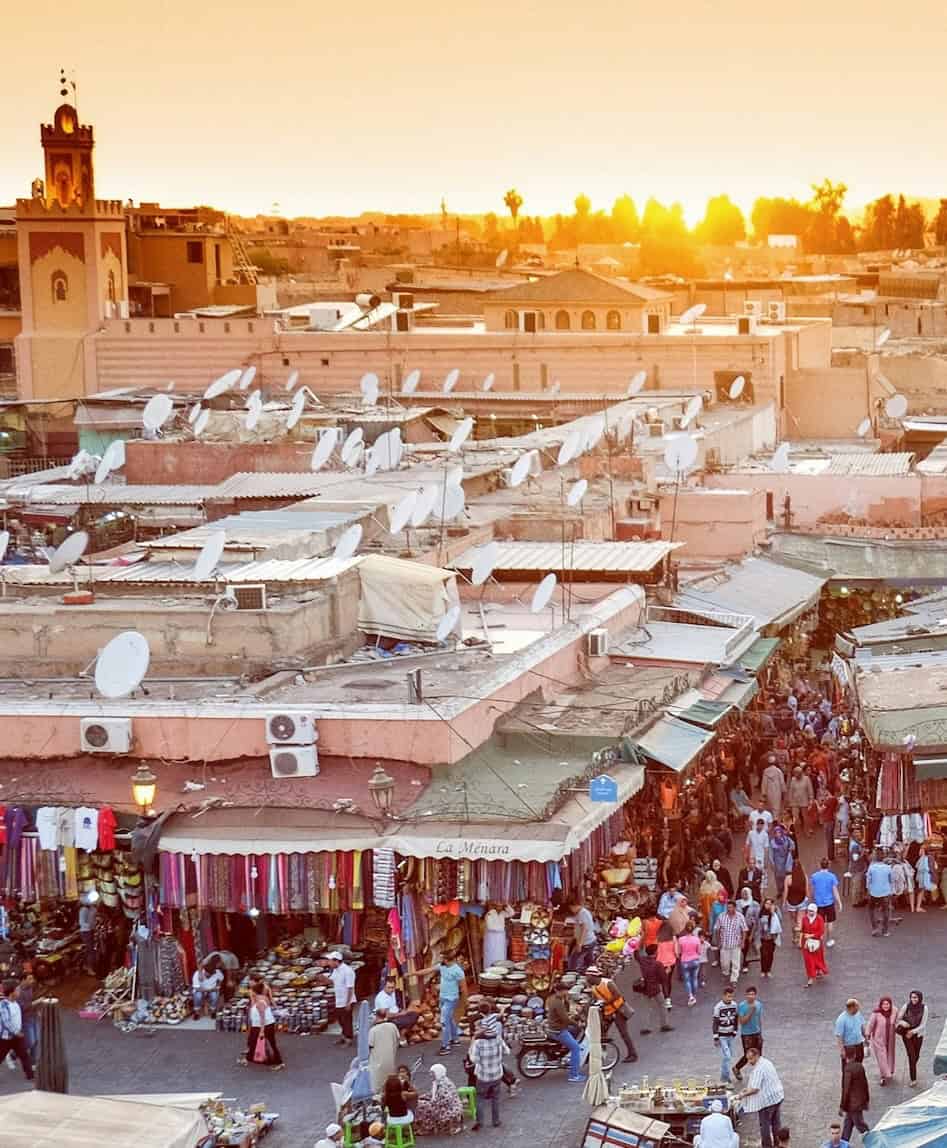
Marrakech You land in one of the world’s most alive cities. Narrow alleyways, rooftop terraces, the thunder of the Djemaa el-Fna at dusk. We spend two nights here at the start and return for one final night at the end. The welcome meeting kicks things off the evening of March 3rd.
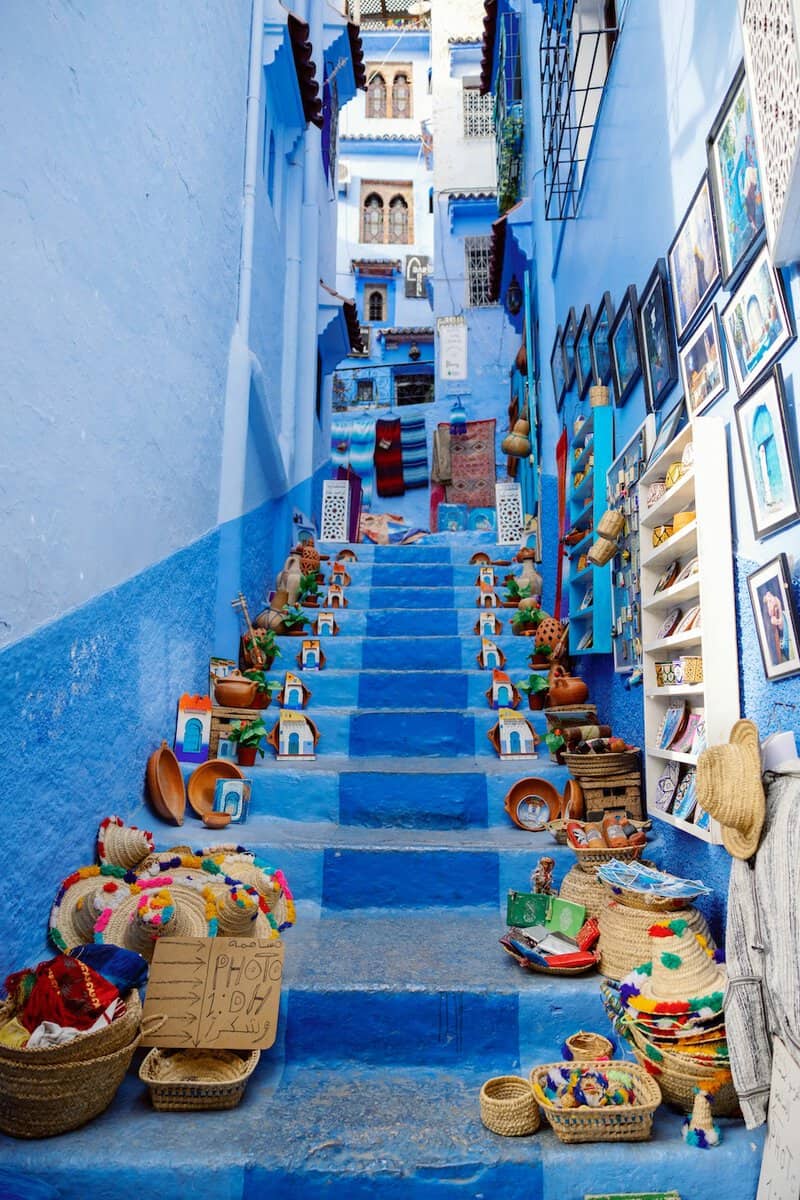
Chefchaouen The Blue Pearl of Morocco. Tucked into the Rif Mountains, every alley is a different shade of blue. Slow-paced, beautiful, and nothing like anywhere else on earth. We spend two nights here with a guided medina walk, a goat cheese tasting, and free time to wander.
Volubilis En route to Fes, we stop at Morocco’s best-preserved Roman ruins, a UNESCO World Heritage site. Two thousand years old and somehow still standing. Your local guide brings the mosaics and crumbling columns to life.
Fes The ancient imperial city. The medina of Fes el-Bali is one of the largest car-free zones on the planet. Donkeys, craftsmen, dye pits, cedar ceilings, and the kind of medieval streets you have to see to believe. Two nights here.
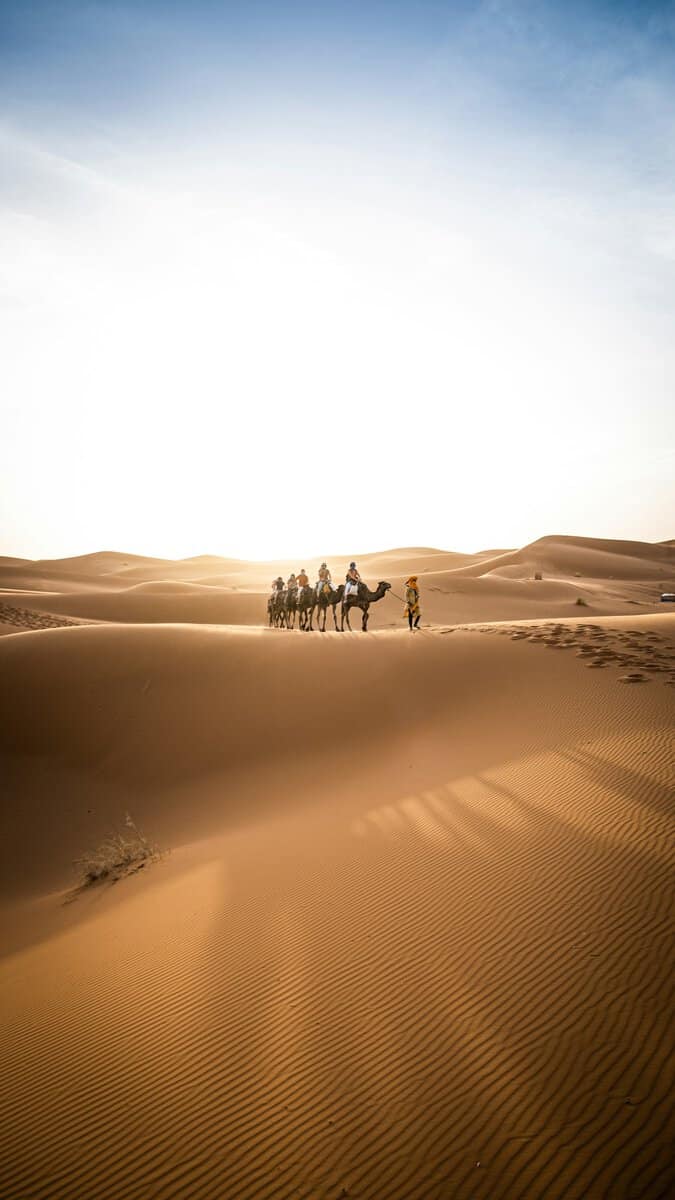
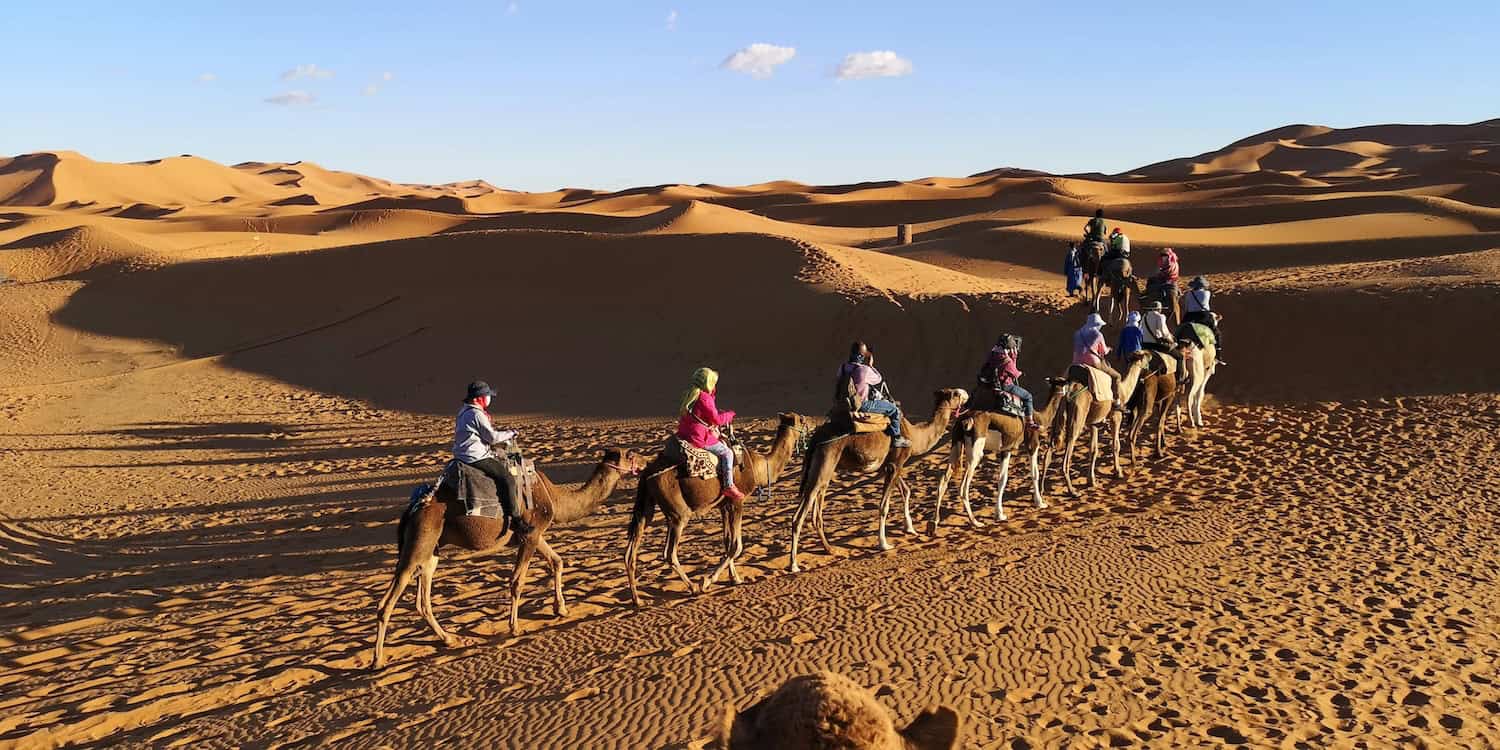
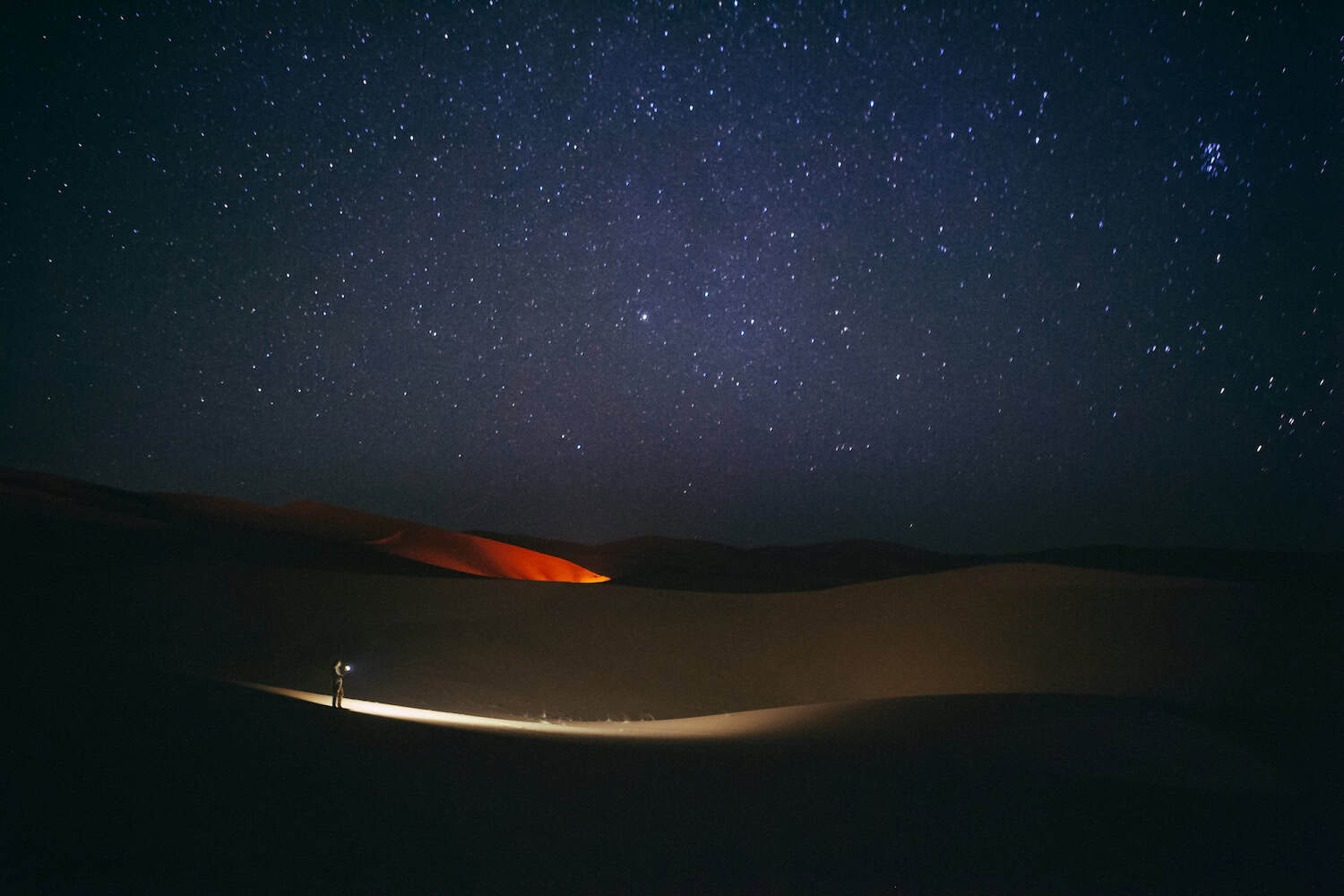
The Sahara Desert We transfer by 4×4 into the Erg Chebbi dunes, ride camels at sunset, and spend the night in a desert camp under more stars than you knew existed. Dinner is served, music plays around the campfire, and there is not a single thing you need to do but be there. Get together with the group for a meditation under the stars ✨
Dades Valley and Todra Gorge Towering limestone cliffs framing a narrow river valley. A leader-led walk through one of Morocco’s most dramatic natural wonders, then one night in the valley surrounded by rock formations and scattered kasbahs.
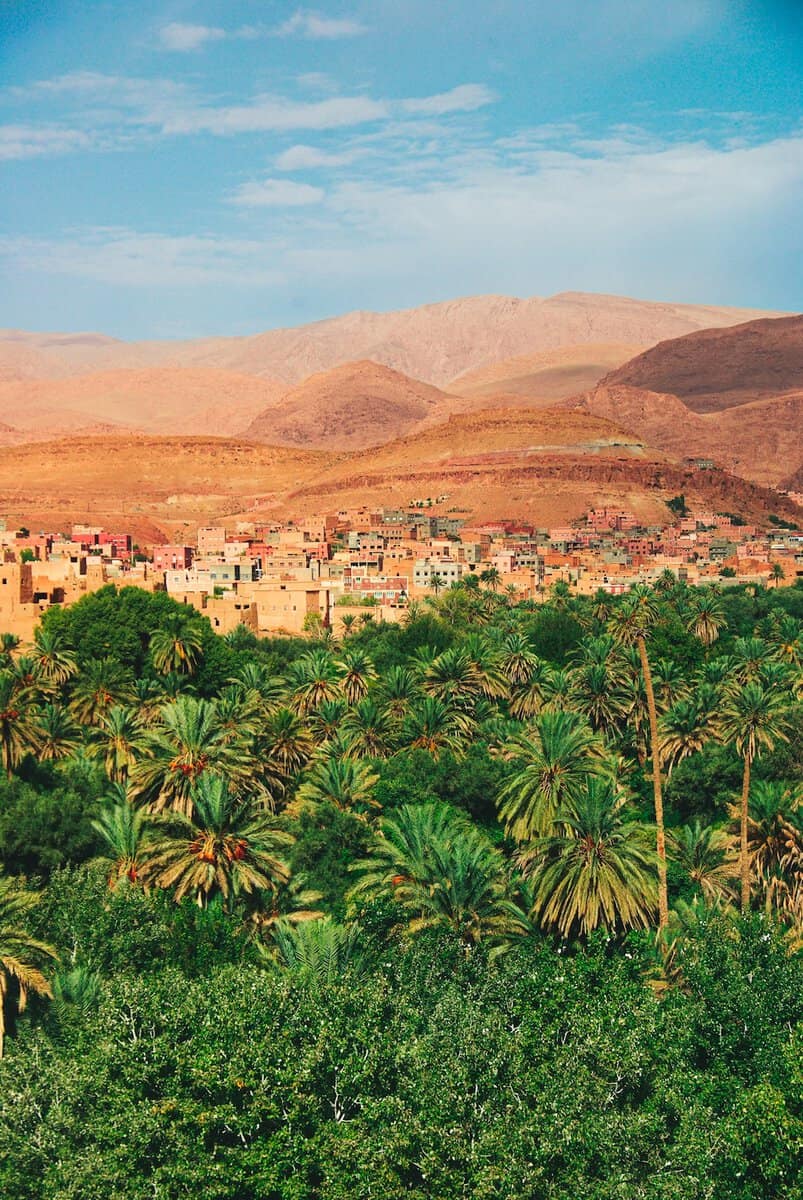
Skoura and Ait Benhaddou A palm-fringed oasis, an iconic kasbah that has appeared in more films than you realize, and lunch at a local women-led cooperative. One of the most memorable days of the trip.
Back to Marrakech The trip closes with a guided foodie experience through Jemaa el-Fnaa, a final dinner, and a departure transfer to the airport the morning of March 13th.
WHAT’S INCLUDED
- 10 nights accommodation (7 hotel, 2 riad, 1 Sahara desert camp)
- 11 breakfasts
- 1 included lunch
- 4 included group dinners (non-alcoholic drinks included at all group meals)
- Air-conditioned private vehicle throughout
- English-speaking leader for all 11 days
- Local guides in Marrakech, Chefchaouen, Fes, Volubilis, and Dades
- All entrance and admission fees for included activities
- Guided walking tours, tannery visit, Majorelle Garden, Bahia Palace, Volubilis ruins, Medersa El Attarine, Funduq al-Najjarin, Kasbah Amridil, Ait Benhaddou ksar walk, and more
- Sunset camel ride in the Sahara
- 4×4 transfer into the desert camp
- Foodie tasting tour and dinner in Marrakech on the final night
- Arrival and departure airport transfers (group basis)
- 24-hour local office support
- Recovery Elevator workshops
- All tips and gratuities
WHAT’S NOT INCLUDED
- International flights to and from Marrakech
- Airport taxes and visa fees (US citizens do not need a visa for Morocco)
- Meals and drinks not listed above
- Required personal travel insurance (see FAQ below)
- Optional activities and personal spending
Cancellation Policy
- Cancel on or before December 3, 2026: Refund of all monies paid, less a $500 administrative fee.
- Cancel after December 3, 2026: No refund unless the spot is filled by another participant. If the spot is filled, a refund of all monies paid, less a $500 administrative fee, may be issued.
- Travel insurance is required for all participants.
At Recovery Elevator we believe the opposite of addiction is connection: we will be connecting with nature, the stars, the water, camels 🐪, the land, food, spices, others who have ditched the booze, and most importantly ourselves. These trips are special because we all have one common goal: living an authentic alcohol-free life.
Your Morocco Sober Retreat Itinerary
Day 1 (March 3) — Arrival in Marrakech
Salaam Aleikum. Welcome to one of the most sensory cities on earth. Your airport transfer drops you at the hotel, and the group comes together for a welcome meeting at 6pm. After that, the night is yours. Head to Djemaa el-Fna, one of the largest public squares in the world, and let Marrakech introduce itself on its own terms. No agenda, no itinerary. Just show up and take it all in.
Day 2 (March 4) — Marrakech
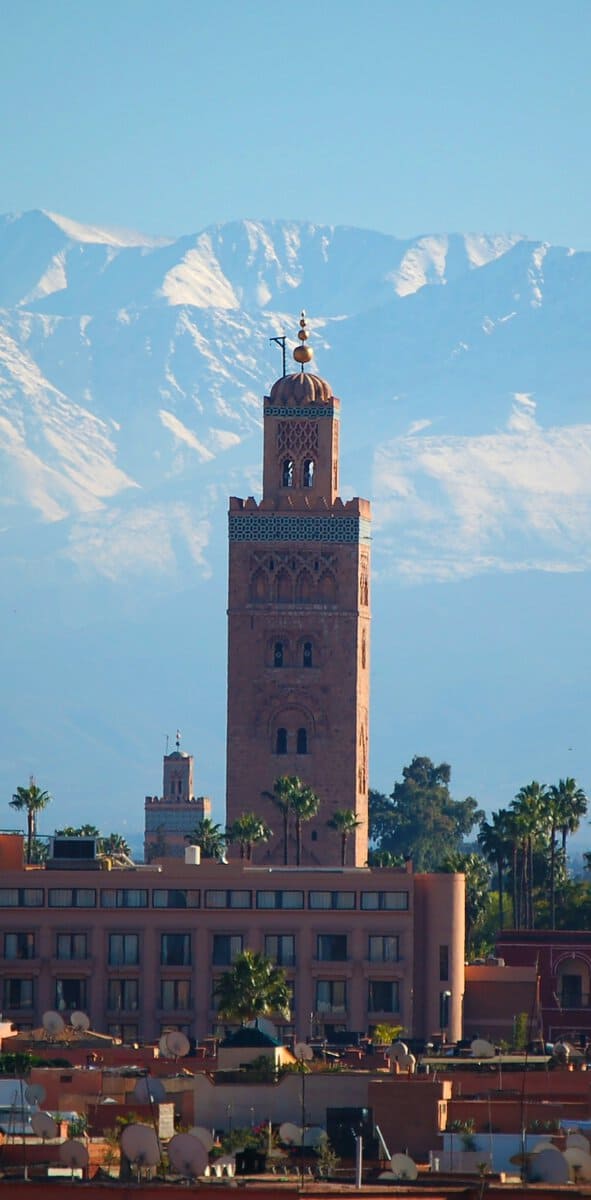
A full day in the heart of the medina. A local guide leads you through the narrow souks and hidden workshops of the old city before arriving at Bahia Palace, a 19th-century masterpiece of intricate mosaics and carved cedar ceilings. Pause for a freshly squeezed orange juice from a street vendor (an essential Marrakech ritual), visit the towering Koutoubia Mosque, and spend the afternoon in the dreamlike Majorelle Garden. Evenings are yours to explore.
Day 3 (March 5) — Marrakech to Chefchaouen
An early departure and one of the great driving days of the trip. Eight hours north through mountain roads, rural villages, and shifting terrain as Morocco transforms from arid plains to the lush foothills of the Rif Mountains. Stops built in along the way. You arrive in Chefchaouen by late afternoon, where the famous blue streets offer an immediate, almost surreal calm. Check in, breathe it in, and let the mountain air do its thing.
Day 4 (March 6) — Chefchaouen
The Blue Pearl earns its name today. A local guide leads you through the maze-like medina where every alley shifts to a different shade of blue, past artisan shops and hidden courtyards at a pace that feels nothing like the rest of modern life. Midway through, stop for a tasting of fresh goat cheese, a regional specialty from the nearby mountain villages. The afternoon is yours. Climb to a viewpoint, browse the handicrafts, or just sit in a cafe and watch the world move slowly.
Day 5 (March 7) — Chefchaouen to Fes via Volubilis
Leave the blue city behind and head south toward one of Morocco’s most remarkable stops: the ancient Roman ruins of Volubilis, a UNESCO World Heritage site. A guided tour brings the crumbling columns, intricate mosaics, and grand villas to life before you continue to Fes, the imperial city, for a two-night stay at a traditional riad.
Day 6 (March 8) — Fes
Dive into Fes el-Bali, the heart of the old city and one of the largest car-free zones on the planet. Donkeys haul goods through medieval streets where markets hum, craftsmen work, and the 14th century feels genuinely close. Visit the ornate Medersa El Attarine, the Funduq al-Najjarin, and the famous tannery with its striking dye pits. Watch master potters at a traditional ceramics workshop. In the afternoon, explore on your own and end the day with a feast of Moroccan specialties: harira, flaky chicken pies, couscous, and the best mint tea you have ever had.
Day 7 (March 9) — Fes to Merzouga / The Sahara
The big one. After an early breakfast, a nine-hour drive south through the Middle Atlas Mountains and into the desert plains brings you to the edge of the Sahara. From Merzouga, a 4×4 transfer takes you into the Erg Chebbi dunes. A camel ride at sunset. Golden light over the dunes. Silence so complete it becomes its own sound. Dinner is served under the stars at camp, non-alcoholic drinks included, followed by music around the campfire. This is where the Recovery Elevator meditation happens. You will not forget this night.
Day 8 (March 10) — Sahara to Dades Valley via Todra Gorge
Wake up in the desert and start driving west through the arid plains and rugged landscapes of southern Morocco. The day’s centerpiece is Todra Gorge, where 300-meter limestone cliffs frame a narrow river canyon. A leader-led walk through the gorge, cool air, dramatic views, and then onward to the Dades Valley for one night, surrounded by striking rock formations and scattered kasbahs.
Day 9 (March 11) — Skoura, Kasbah Amridil, and Ait Benhaddou
One of the most visually stunning days of the trip. The palm-fringed oasis of Skoura, a stop at the beautifully preserved Kasbah Amridil, and then lunch at the Tawesna Association, a local women-led cooperative serving traditional homemade food that will stop you mid-conversation. In the afternoon, a local guide leads a walk through the legendary Ait Benhaddou ksar, its earthen alleys and fortified towers familiar from more films than you realize. Overnight at a riad as the sun sets over the kasbah.
Day 10 (March 12) — Ait Benhaddou to Marrakech
A two-hour drive back across the High Atlas Mountains for one last look at Morocco’s shifting landscapes, from desert plains to rugged peaks to the city. The afternoon is free in Marrakech, rest, wander, sit in a courtyard. In the evening, a guided foodie experience through the legendary Jemaa el-Fnaa: sizzling grills, aromatic spices, street food stalls, and the square coming alive the way only it can. The best possible last night.
Day 11 (March 13) — Departure
After breakfast, check out and transfer to Marrakech Menara Airport. You will go home with a head full of color, a heart full of something hard to name, and proof that the world is enormous and waiting for you, and you do not need a drink to see any of it.
Additional Information
- Your passport must be valid for at least six months after your return date.
- This retreat is not a substitute for treatment and we require a minimum of 15 days since your last drink
Why Choose Our Morocco Sober Retreat?
- A decade of refinement: With over ten years leading sober retreats, we know what helps you thrive.
- Morocco is one of the most extraordinary destinations on earth: Not everyone gets a chance to explore such a geographically diverse location on the earth. You’re alive, sober, it’s time to enjoy life.
- A fresh outlook: This trip isn’t about staying away from alcohol, it’s about creating a life where it’s no longer needed.
- Action: Not drinking isn’t an activity. This retreat is all about moving your body and we’re going to have FUN doing it.
- Structured workshops: Recovery‑centered sessions like breathwork, meditations, community share groups, and sound healing foster real transformation.
Who Should Attend?
-
Individuals committed to an alcohol‑free life seeking deep connection and personal growth.
-
People who have been sober at least 15 days and want a supportive community experience.
-
Those open to recovery tools—workshops, mindfulness, movement—without a 12‑step format
-
Anyone looking to explore the world’s natural beauty while nurturing wellness, fun, and friendships.
About Recovery Elevator
Founded in 2015 by Paul Churchill, Recovery Elevator has supported thousands through sober travel, community, and transformative retreats. Our guiding principle: The opposite of addiction is connection. From our flagship podcast to sober courses and retreats, we empower participants to build lives beyond alcohol with purpose and joy.
Recovery Elevator in Morocco
SOLD OUT! 🎉 To join the waitlist, email info@recoveryelevator.com– Shared accommodations for 10 nights
– All transportation during the trip
– AF Workshops
– All breakfasts, 1 lunch, and 4 group dinners
– Non-alcoholic beverages are included with included group meals
– All gratuity and tips
– Airport transfers
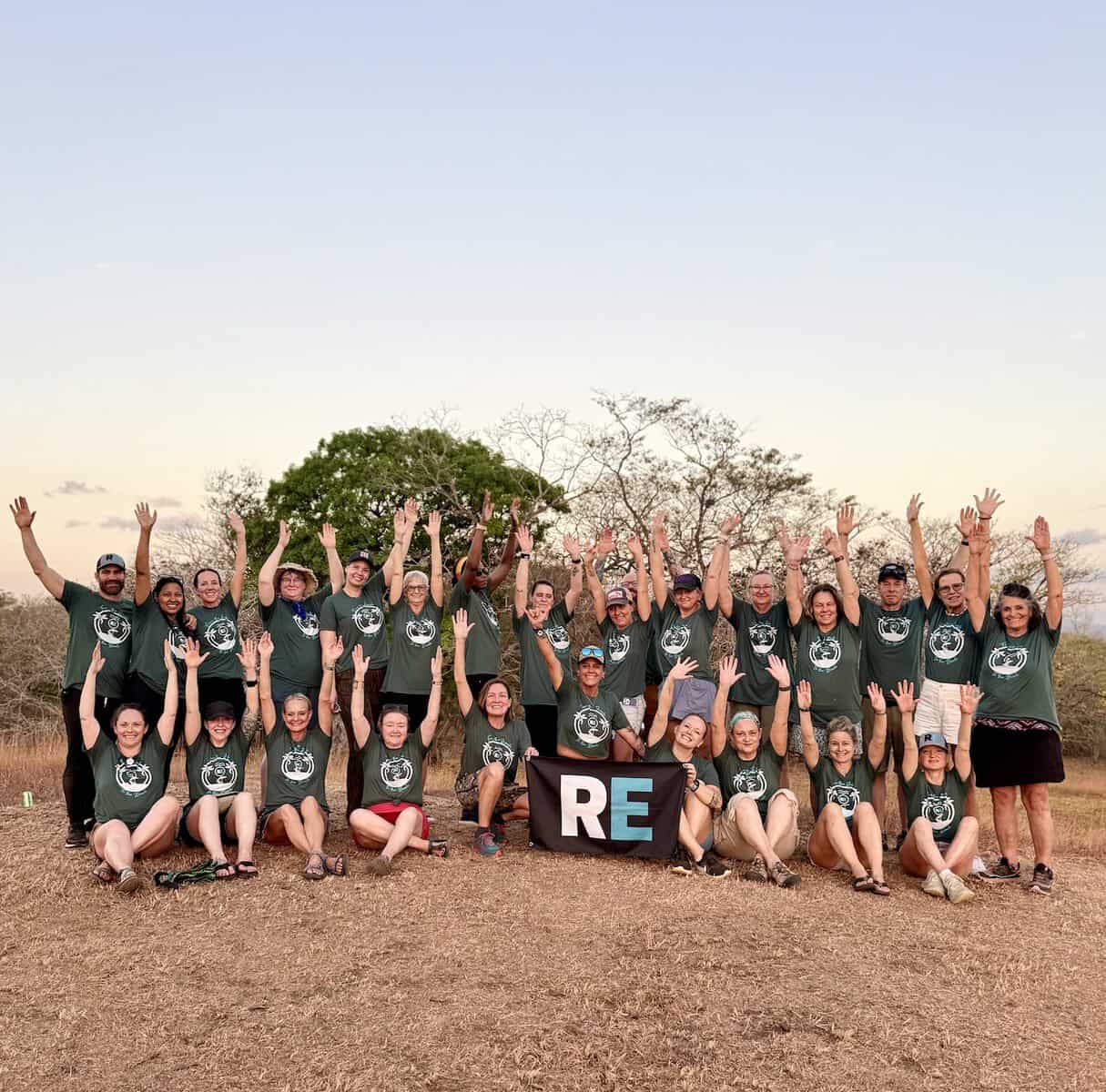
– Recovery Elevator Morocco shirt
Single Supplement: +$725 (available if you prefer your own room – limited quantity, email info@recoveryelevator.com)
**Passport Expiration – passport must be valid for 6 months AFTER your return date.**
We require at least 15 days from your last drink to attend this trip
Sunset Camel Ride in Merzouga
Visit the Markets in Fes
Stargaze in the Sahara Desert
What do my flights need to look like? What airport do I fly into? How much will a flight cost?
Fly into and out of Marrakech Menara Airport (RAK). Airport transfers on the official arrival and departure days are included. We recommend arriving one day early to allow for international travel delays and time to settle in before the trip begins.
Most flights from the US involve one stop, commonly through cities like London, Paris, Madrid, or Lisbon, with airlines like Royal Air Maroc, Air France, Iberia, TAP Air Portugal, British Airways, or Delta. Direct flights from the US to Morocco only run to Casablanca, not Marrakech, so unless you’re booking a separate domestic connection, plan on a one-stop itinerary into RAK.
As for cost, expect somewhere in the $600-1,200 round trip range from most major US cities, depending on how far out you book and which connecting city you route through. Booking 3-4 months ahead and staying flexible on your connection city will help you land on the better end of that range. Flight costs are not included in the trip price.
Once you have your flights booked, email your itinerary to info@recoveryelevator.com. Flight arrival details (flight number and arrival time) are needed in advance for your group transfer to be arranged, so once you’ve booked, that information will need to get to us so logistics can plan accordingly.
What will the workshops be like?
We’re still finalizing the full schedule, but here’s a taste of what’s in store:
- Guided meditation under the Saharan night sky. Picture this: a blanket of stars stretching further than you’ve ever seen them, total silence except your own breath, and absolutely zero light pollution to ruin the moment. This isn’t your average meditation app session.
- Group breathwork. We’ll use the breath to shake loose what needs shaking loose. Bring an open mind, leave the rest at the door.
- Guided group discussions. Real talk, real connection, the kind of conversations that don’t happen back home over a glass of wine, because they don’t need one.
- The Divine Connection. Feet in the sand, head in the stars, breath connecting you to something bigger than yourself. Hard to explain, easy to feel.
The workshops are great, but they’re not the main event. The friendships you build in the trip’s small groups are. You’ll laugh more than you expect, connect more than you planned for, and leave with people who feel like family.
Like every Recovery Elevator retreat, fun is non-negotiable. There’s also plenty of free time built in to relax, wander the markets, and just soak in where you are.
What are the long drive days like?
This trip covers a lot of ground, and a few days involve significant time in the vehicle: Marrakech to Chefchaouen runs about 8 hours, and Fes to Merzouga clocks in around 9. These aren’t wasted hours, though. The landscape transforms in front of you, from arid plains to mountain foothills to desert dunes, and there are stops built in along the way to stretch, refresh, and take photos.
Think of these drives the way you’d think of a long stretch on the Camino: less a hurdle, more a chance to talk, reflect, and watch Morocco shift outside your window. Bring a playlist, a journal, or just an open mind.
Is alcohol prevalent in a Muslim country?
This is a fully alcohol-free retreat, full stop. The good news is Morocco makes that easy, it’s a predominantly Muslim country and alcohol is far less central to daily life and dining culture than in many Western destinations. At the Sahara desert camp, dinner is served with non-alcoholic drinks (soda, juice, tea) built right into the experience, so there’s nothing to navigate or avoid. Same goes for the other group dinners along the way.
What should I wear in Morocco?
Comfortable, modest, and practical is the name of the game. Morocco is a conservative country, especially outside the bigger cities, so loose, breathable layers that cover shoulders and knees go a long way, both out of respect for local culture and because they’re simply more comfortable in the medinas and markets. A scarf or light wrap is useful for women, both for modesty in religious sites and as a sun layer in the desert.
Temperatures swing hard here. Days can run hot, especially in Marrakech and the Sahara, while desert nights and mountain evenings (Chefchaouen, Dades Valley) get genuinely cold. Layers are non-negotiable: breathable clothing for daytime, a warm layer for nights, and comfortable walking shoes that can handle medina cobblestones, dusty trails, and sand.
How much extra money should I bring? Should I exchange money before I go?
Plan on bringing some spending money for meals not included in the package. Breakfast is covered every day, and several group lunches and dinners are built in along the way, but you’ll still want cash for meals on your own, drinks, snacks, and souvenirs in the souks. Budgeting somewhere around $200-300 USD for the trip covers this comfortably, plus a little extra if you fall in love with a rug or some Moroccan leather goods (it happens).
Morocco’s currency is the Moroccan Dirham (MAD), and it’s a closed currency, meaning you generally can’t get it before you arrive. The easiest option is withdrawing dirhams from an ATM once you land, or exchanging cash at the airport or a local bank. Major credit cards are accepted at hotels, riads, and larger restaurants, but smaller shops, cafés, and souk vendors often run cash-only, so having dirhams on hand makes daily life much smoother. It’s a good idea to call your bank and let them know you are traveling so international ATM withdrawals are not declined.
Is Morocco safe?
Yes. Morocco is one of the more stable, tourism-friendly countries in North Africa, and millions of travelers visit every year without incident. Like any trip abroad, a little awareness goes a long way, stay alert in busy markets, keep valuables secure, and use common travel sense, but this is not a destination where safety should be the thing holding you back.
On this trip, you’re never navigating it solo. A local guide is with the group full-time across every region and city we visit, handling logistics and local know-how so you can stay present in the experience instead of worrying about the details. Add in the built-in community of fellow sober travelers walking this with you, and you’ve got layers of support most visitors to Morocco don’t have.
What is the weather like in Morocco during this trip?
March is one of the sweet spots for visiting Morocco, you’re catching the start of spring without the punishing summer heat. It depends heavily on where you are on any given day, that’s part of what makes this itinerary interesting. Marrakech sits in the comfortable 70s°F (low-to-mid 20s°C) during the day, while Chefchaouen’s mountain elevation in the Rif keeps things noticeably cooler and crisper, sometimes with a lingering chill in the early part of the month. The Sahara hits its sweet spot too, warm, pleasant days perfect for exploring the dunes.
Nights are a different story everywhere. Desert nights drop sharply once the sun goes down (think 40s°F), and mountain evenings in Chefchaouen and the Dades Valley can get genuinely cold, so don’t let a warm afternoon fool you into leaving the warm layers at home.
The golden rule for Morocco in March is the same as any season here: dress in layers. You’ll likely shed and add clothing more than once a day, light layers for daytime exploring, a warm fleece or jacket for evenings, and good walking shoes that can handle medina cobblestones and desert sand alike.
Who is this retreat for?
This retreat is for someone who wishes to connect & travel with others who have also ditched the booze. This trip is for those seeking to grow mentally, physically and spiritually in one of the most beautiful countries in the world. The average sobriety time on this retreat is usually around 6-12 months. The retreat is not 12-step based, and we believe there is no right or wrong way to quit drinking, and remain alcohol-free.
If you are hoping to establish deeper connections with others, yourself, the planet, the birds, the ocean, stars and more, then we’ll see you there.
If this event isn’t for you, check out our events page for other types of events.
**This retreat is not a replacement for treatment or other detoxing services.**
What does the required travel insurance look like?
All of our travelers must have Emergency Medical Travel Insurance that will cover the dates of the tour. This policy must meet the following criteria: (1) Medical Expenses coverage, (2) includes an emergency evacuation benefit, and (3) includes repatriation to your home country. The medical expenses, evacuation, and repatriation benefits must, when combined together, cover for at least $200,000.00 USD per traveler.
Several travel insurance companies provide this service, and you may find a cheaper provider than the ones we recommend below. Please budget anywhere from $125-250 for this depending on your level of comfort.
BattleFace is the travel insurance company that most of our travelers use. This company is usually the most affordable and a policy can be obtained in less than 15 minutes.
John Hancock Ins. Agency offers three different plan types (Gold, Silver, Bronze) that meet our mandatory requirements and provides you with the best protection based on your budget. They offer toll-free, 24/7 multilingual emergency assistance services to help arrange any care you may need while away from home.
NOTE: The Cancel For Any Reason Option must be purchased with the Gold, Silver or Bronze Plan within 14 Days of confirming your tour to qualify for the change of mind benefits. The Cancel For Any Reason Option allows you to cancel your trip, no less than 2 days prior to the scheduled departure date, and get back 75% of the prepaid, non-refundable payments or deposits for the covered trip arrangements. The Cancel for Any Reason option is not available in New York State.
Is this trip physically challenging?
Not really, in fact, this one’s a bit easier on the legs than our Camino trip. Most days are guided walking tours through medinas, kasbahs, and gorges, not multi-hour hikes. You’ll spend a fair amount of time in an air-conditioned vehicle covering ground between cities, and the most physically active moments (a camel ride into the Sahara, a walk through Todra Gorge, exploring ancient ksars) are paced and accessible. If you can comfortably walk for a couple hours at a time and handle some long travel days in a vehicle, you’re set.
The real test here isn’t your legs, it’s your patience on the road. A few of the driving days run long (more on that below), so come ready to enjoy the ride, not just the destination.
What are accommodations like? Where are we staying?
Accommodations are shared. Single rooms are available for an additional price. Email info@recoveryelevator.com to request a single room.
On this trip, you’ll experience a real mix of Morocco’s accommodation styles over the 11 days, comfortable hotels, traditional riads, and one unforgettable night under canvas in the Sahara.
In Marrakech, you’ll stay at the Grand Mogador Menara, your home base both at the start and end of the trip. In Chefchaouen, it’s the Esmeralda Hotel, tucked into the famous Blue Pearl of the Rif Mountains. In Fes, you’ll experience a traditional riad, Riad Dilar, the kind of place with courtyards, mosaic tile, and serious old-world charm.
Then comes the Sahara: one night at the Merzouga Experience desert camp under a blanket of stars, with a traditional Moroccan dinner and music around the campfire. From there, it’s Riad Bahammou for one night in the Dades Valley, surrounded by dramatic rock formations and kasbahs. Your final overnight before returning to Marrakech is La Kasbah, near the legendary Aït Benhaddou.
Rooming is double or twin share throughout the trip (two people per room), and a single supplement is available if you’d prefer your own room. Either way, you’re getting a genuine taste of Moroccan hospitality in every region you pass through: hotel, riad, and a night that very few travelers ever get, sleeping in the Sahara itself.
What should I pack?
Good news: you don’t need to overpack for this one. Here’s the short list.
On your body
- Comfortable, breathable layers, light fabrics for daytime heat, a warm layer (fleece or light jacket) for cold desert and mountain nights
- A waterproof or windproof shell, just in case
- Modest clothing that covers shoulders and knees, both out of respect for local culture and because it’s simply more comfortable in medinas and religious sites
- A scarf or light wrap (especially useful for women, both for modesty at religious sites and as a sun/wind layer in the desert)
- A warm hat and gloves for chilly desert nights and mountain evenings
- A sun hat and sunglasses for daytime
On your feet
- Comfortable walking shoes that can handle medina cobblestones, dusty trails, and sand
- A second pair of shoes or sandals for evenings
On your back
- A daypack for water, sunscreen, and layers during day excursions
- A reusable water bottle
- A basic first aid kit (blister care, any personal medications)
- Travel-size toiletries and any prescriptions in your carry-on
For the soul
- A journal, you’ll want one, especially after a night in the Sahara
- Whatever small object grounds you, a photo, a token, a reminder of your “why”
- An open mind and zero expectations about how this is supposed to go
Don’t forget
- Your passport (valid 6+ months past your travel dates) and a photocopy of the photo page
- Evidence of travel insurance, this is required before you can join the group
- Cash in dirhams for markets, small cafés, and tips
Leave at home
- Anything you wouldn’t want to carry through a souk or a sand dune
- The instinct to overpack “just in case.” Morocco has a way of providing.
Who is leading the retreat?
Recovery Elevator podcast host Paul Churchill is the retreat leader. Paul has been hosting sober retreats internationally since 2018, and he’s the first to tell you that distance is part of the medicine. Getting far from your normal routine, your normal stressors, and your normal excuses helps people truly “drop into” the experience in a way a weekend retreat closer to home just can’t match.
Paul got sober in 2014 and has spent the years since turning that experience into Recovery Elevator, a podcast with over 600 episodes and 10 million downloads, and Café RE, a nonprofit alcohol-free community thousands of people call home. He’s the author of Dolce Vita and the upcoming This Is How We Quit, and he’s walked his own version of this path long enough to know exactly the kind of space people need to feel safe being themselves without alcohol.
Warning: if you end up sitting next to Paul on one of those long drives, be prepared to learn more than you ever expected to know about Nigerian Dwarf goats, get a passionate ukulele pitch, and hear an unshakeable defense of pineapple on pizza. Consider yourself warned, and welcomed.
You’re also in good hands logistically. In addition to Paul, you’ll have an English-speaking local leader with the group throughout, plus specialized local guides joining for the Marrakech medina, Chefchaouen, Fes, and Dades region.
Alcohol-Free Travel - Costa Rica February 2026